





United States Immigration News
United States: immigration policy, education, living, property and more.
New Hurdles on the Path to Staying in the U.S.! H-1B/PERM Strict Scrutiny Upgraded
Recently, the U.S. Department of Labor Office of Inspector General announced the formal launch of a large-scale investigation into H-1B work visa and PERM labor certification fraud and labor trafficking, coordinating with federal law enforcement agencies and the "Anti-Fraud Task Force" led by Vice President Vance.

Consensus Among High-Net-Worth Families: What Should Be Planned for Children's Education Abroad?
According to a recent Hurun Report, 55% of the high-net-worth individuals surveyed have plans to send their children abroad for education, with the United States remaining the most preferred destination for the third consecutive year. Relevant data indicates that 44% of high-net-worth Chinese families consider the United States their top choice for their children's education, with average high-net-worth families beginning their planning when their children are 16, while ultra-high-net-worth families start as early as 14.
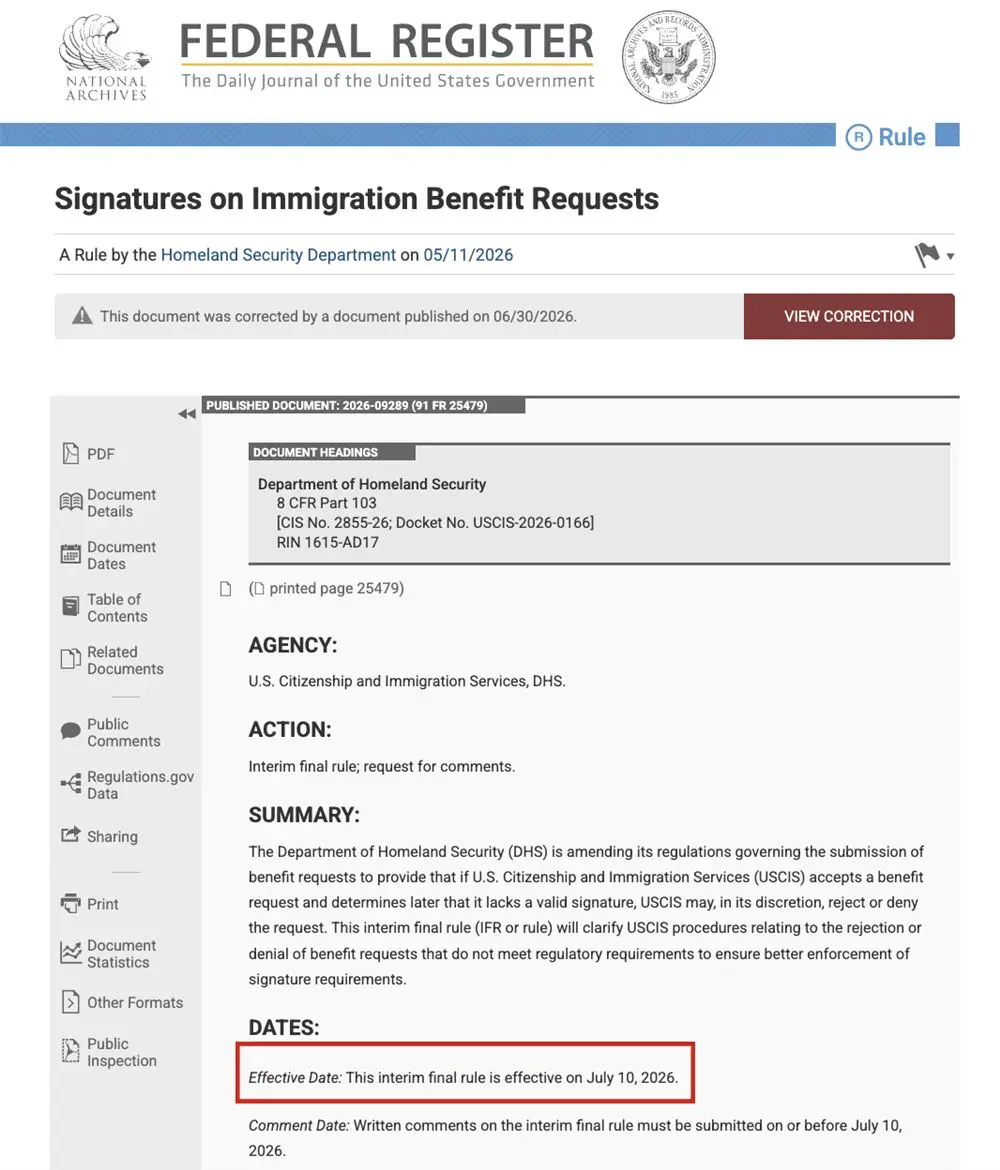
Attention! New U.S. Immigration Signature Regulation Has Taken Effect
Previously, the new signature regulation issued by the U.S. Department of Homeland Security (DHS) (for details, click to read the previous report by WorldWay: Quick Look! Two Major Changes to U.S. Immigration Applications), took effect on July 10, 2026, local time. In other words, for applications submitted on or after July 10, 2026, if U.S. Citizenship and Immigration Services (USCIS) discovers an invalid signature after accepting the case, it may choose to reject the application or issue a denial decision directly, depending on the specific circumstances. Once a case is denied, it is generally considered to have completed processing, and the application fee may not be refunded.

While others are competing for academic scores, visionary parents are competing for status!
For families who prioritize their children's education, academic planning is no longer limited to the standard Gaokao path. In addition to international schools and studying abroad, the Joint Entrance Exam for Overseas Chinese Students is an educational pathway that many families are focusing on. Recently, the 2026 admission score thresholds for the National Joint Entrance Exam for various batches were officially announced, once again drawing attention from parents.
H-1B approvals are up, so why is it harder for international students to stay?
As of the first nine months of fiscal year 2026, U.S. Citizenship and Immigration Services (USCIS) has approved 273,026 H-1B "continuing employment" applications, which is very close to the high of 291,542 in the previous fiscal year. On the surface, this seems to contradict the Trump administration's policy direction of continuously tightening H-1B: while emphasizing the protection of local employment and raising the threshold for hiring, the volume of H-1B approvals is still rising.
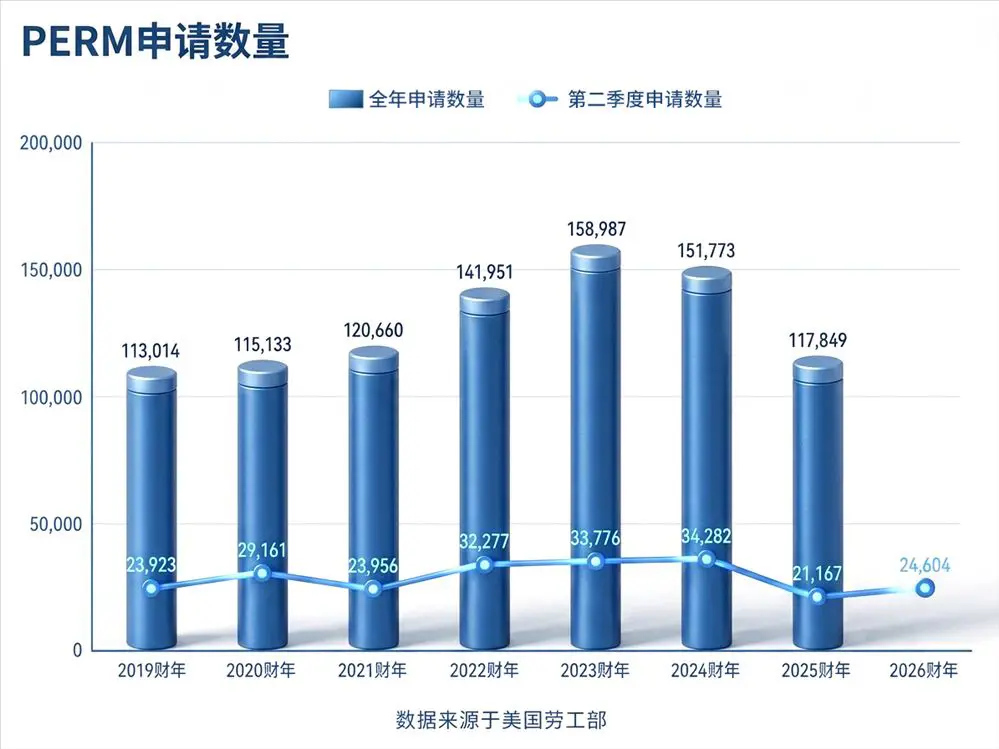
H-1B/PERM Both Low: How Can Families Planning to Stay in the U.S. Change Their Strategy?
Recently, the Office of Foreign Labor Certification (OFLC) under the U.S. Department of Labor released foreign labor application data for the second quarter of fiscal year 2026. The data shows that PERM labor certification applications, which represent demand for employment-based immigration, and LCA applications, which reflect corporate willingness to hire H-1B employees, have both experienced varying degrees of slowdown.
Sudden Change for H-1B Path to U.S. Residency! Major PERM Rule Reform Proposed
The U.S. Department of Labor has recently officially scheduled the "most significant reform of the PERM permanent labor certification system in 20 years." This means that since the implementation of the PERM system in 2004, the underlying rules for U.S. employment-based immigrant green cards may be facing a systemic adjustment.
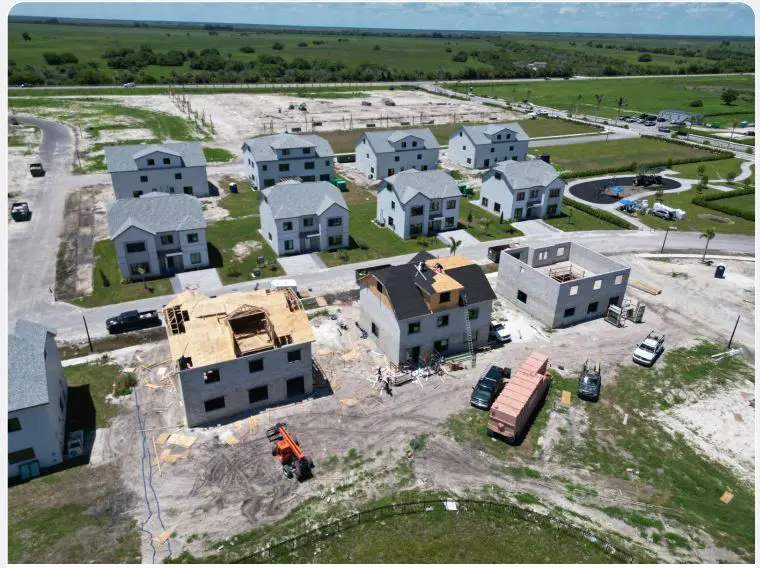
WorldWay EB-5 Project Dual Breakthrough: Fast Construction + Stable Approval
Recently, significant progress has been reported for the "Florida Lakeside Jewish Community" EB-5 rural project, in which WorldWay immigration clients have invested. According to the new report, home sales in the Florida Lakeside Jewish Community remain strong, the overall construction progress of the community continues to accelerate, key infrastructure and permitting milestones have been achieved ahead of schedule, and the first group of homeowners has entered the preparation phase for move-in. The project is steadily transitioning from the intensive construction phase to the delivery and realization phase.

Beware of Policy Changes After "9/30"! EB-5 Green Card Planning is Imminent
Whether for children's education, long-term residency, asset allocation, or global corporate development, U.S. residency impacts a family's future range of choices. As uncertainties regarding policy cycles, investment thresholds, and application timelines increase, the importance of early planning is becoming even more pronounced.

No limits for children's education in the U.S., a Green Card is the winning move!
The advantages of U.S. education stem from a mature and diverse educational ecosystem: from the public school system in the basic education stage to renowned university resources in the higher education stage, and further to research, internship, employment, and long-term development opportunities, the United States has long maintained its global leading appeal.

EB-5 project opening soon, WorldWay investors' I-526E all approved!
Recently, the "Hawaii Curio Collection Resort" EB-5 rural project, introduced to investors by WorldWay, has achieved several substantive milestones. The project is about to commence operations, and the status approval process for WorldWay clients is also progressing steadily.
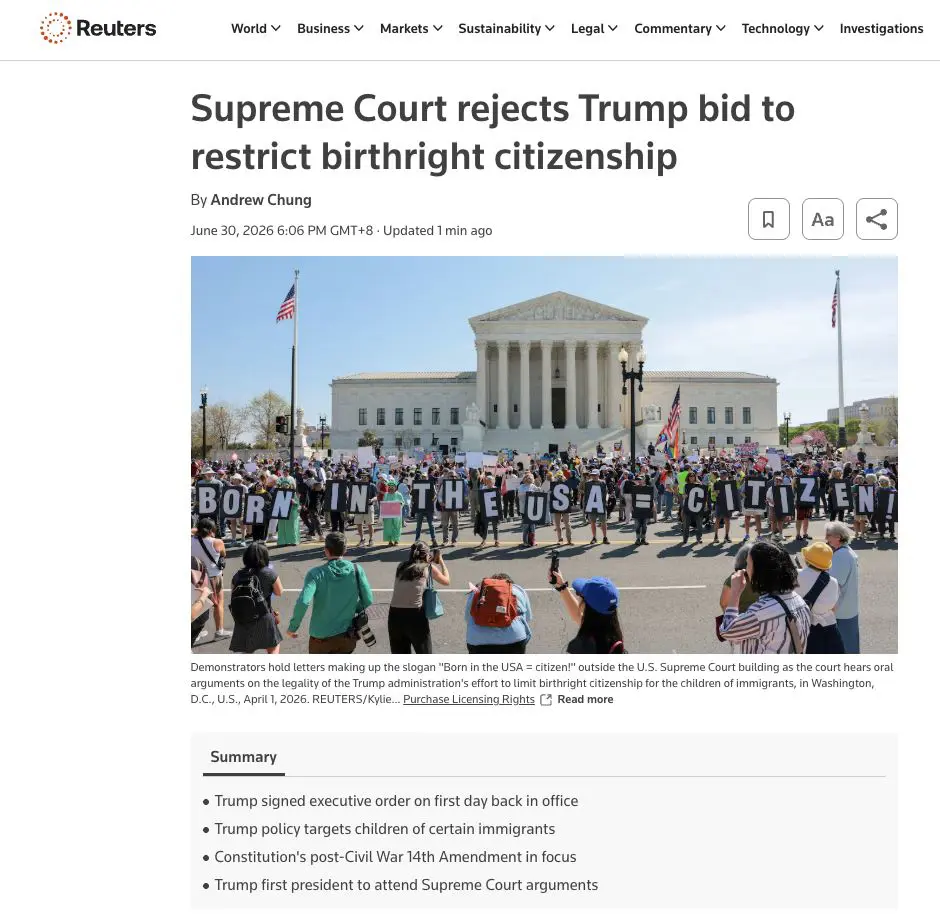
Final Ruling! Trump's Executive Order Restricting Birthright Citizenship Rejected
The highly anticipated controversy surrounding U.S. "birthright citizenship" has reached a new development. On June 30, 2026, local time, the U.S. Supreme Court ruled 6:3 to reject the Trump administration's executive order attempting to restrict birthright citizenship. This means that the U.S. "birthright citizenship" provision, which has been in place for over 150 years, remains in effect.