





United States Immigration News
United States: immigration policy, education, living, property and more.

Family Status Planning: Why do many people choose the U.S.?
In today's world of rising uncertainty, more and more families are beginning to rethink a question: What is the true value of a status worth acquiring? Is it short-term travel convenience, or long-term residency rights? Is it a single status label, or a comprehensive platform for education, career, assets, and family development? Is it a temporary choice, or a long-term plan that can accompany the next generation as they grow? From this perspective, the United States remains a destination of long-term appeal that attracts global immigrant investors. Especially for high-net-worth families who wish to plan ahead for their children's education, family development, career layout, and global asset allocation, the value of U.S. status goes far beyond just a Green Card.

Good News! Jobs for this WorldWay EB-5 project have all been created
WorldWay Group, in its second collaboration with the multi-billion dollar fund Peachtree Group, has launched the "Bryce Canyon Marriott Hotel" EB-5 rural project, which recently received important good news: the jobs required for the 21 EB-5 investors in the project have all been created! For EB-5 investment immigration projects, job creation is one of the core indicators of whether a project can meet immigration requirements. The completion of this job creation target signifies that the project has achieved a key milestone in immigration compliance, providing essential support for the subsequent immigration process of the investors. From project launch and construction progress to the achievement of job creation targets, the Bryce Canyon Marriott Hotel project is fulfilling its planning commitments step by step, delivering phased results to its investors.
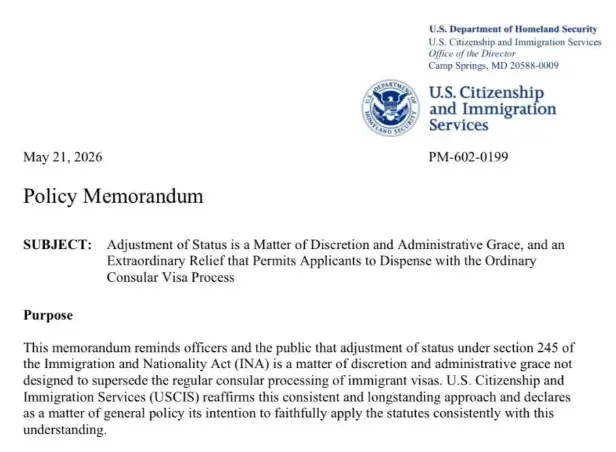
USCIS Internal Memorandum Exposed: Redefining I-485 In-Country Green Card Adjustment?
More important than any press release is this internal policy memorandum. WorldWay Group Research Center: Following the previous article published by WorldWay: "USCIS Major Tightening: Is the 'Era of In-Country Green Card Adjustment' for U.S. Immigration Ending?" (click the link for details), an internal Policy Memorandum from the U.S. Citizenship and Immigration Services (USCIS) has further shaken the U.S. immigration industry. Because compared to a press release, this memorandum is the true "internal adjudication logic" written for immigration officers. And the signals it releases are clearer and more far-reaching than any press release. I. What is truly terrifying about this memorandum? Many people think: USCIS is just "tightening the review process." But in reality, the core of this memorandum is—USCIS is redefining what is meant by "AOS (Adjustment of Status)." That is: what is meant by "in-country green card adjustment." USCIS explicitly states for the first time: AOS is not a "right." Instead, it is: "Administrative Grace." The memorandum states at the very beginning: "Adjustment of Status is a Matter of Discretion and Administrative Grace."
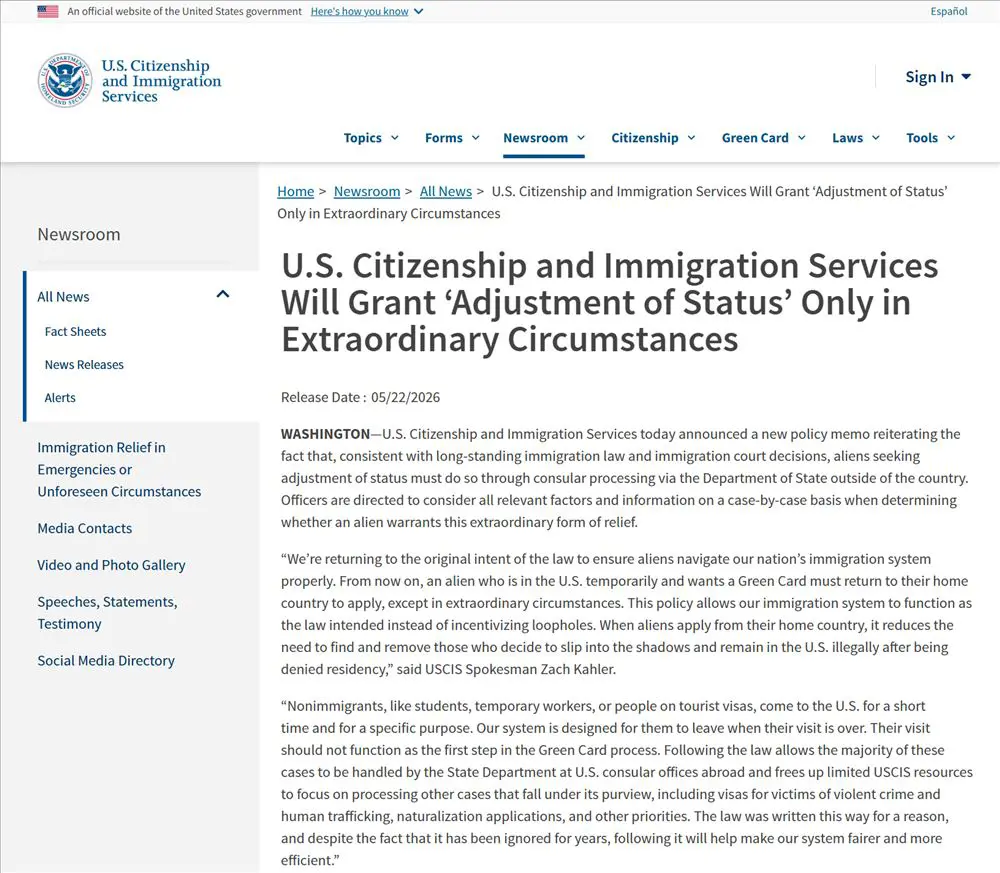
Tightening: Is the U.S. immigration “Green Card adjustment era” coming to an end?
On May 22, 2026, the official website of the U.S. Citizenship and Immigration Services (USCIS) released a shocking policy press release titled “USCIS will approve Adjustment of Status only in 'extraordinary circumstances'.” Once the news broke, the U.S. immigration industry was immediately shaken. Because this may mean that the U.S. immigration system is shifting from being “friendly to in-country adjustment” back to “consular processing priority.” This will profoundly affect: EB-5 investment immigration, U.S. “concurrent filing,” F1 to Green Card transitions, B1/B2 status changes, U.S. employment-based immigration, and U.S. status planning models. For high-net-worth families in China, this is an important signal of policy change.
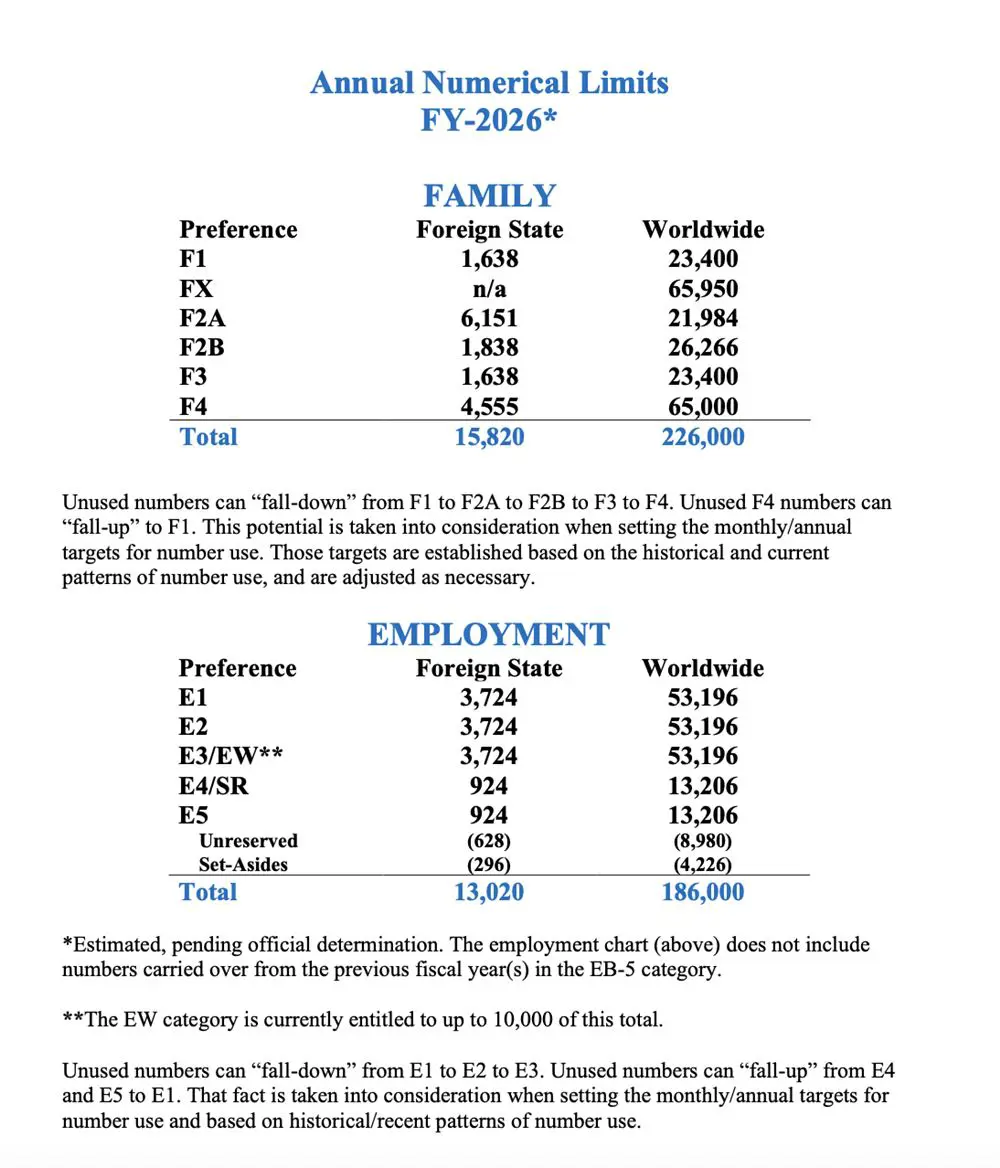
Attention Applicants! 2026 U.S. Immigration Quota Announced
Recently, the U.S. Department of State (DOS) announced the EB-5 visa quota for the 2026 fiscal year (from October 1, 2025, to September 30, 2026): For the 2026 fiscal year, the quota for U.S. employment-based immigrant visa categories is approximately 186,000, which is 46,000 more than the 140,000 in a regular year.
Why is it necessary to secure status first for development in the United States?
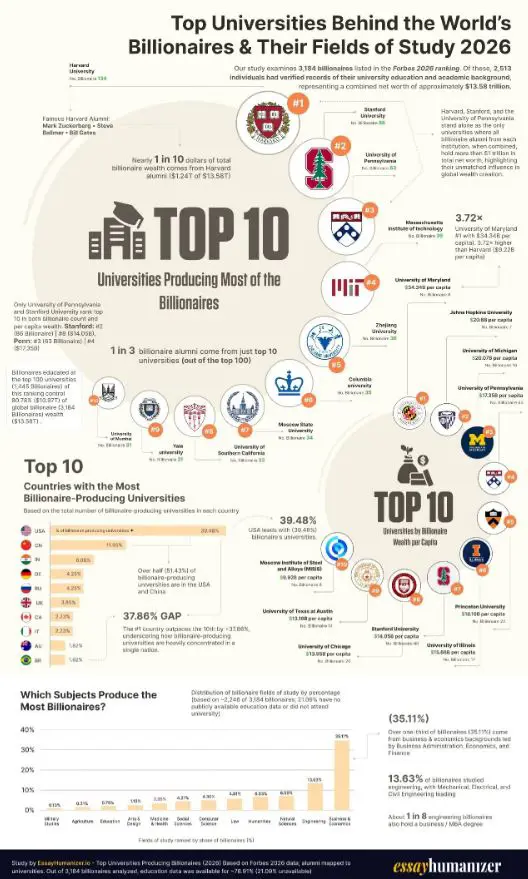
When many families discuss studying abroad, they first think of schools, majors, admissions, and employment, all of which are certainly important. However, modern study-abroad planning must also consider whether a child can have a more stable and broader space for development after completing their studies. Recently, the data platform Voronoi analyzed the educational backgrounds of 3,184 billionaires worldwide based on the "Forbes 2026 World's Billionaires List" and public educational records. Data shows that 45.38% of billionaires come from the world's top 100 universities. Among these 100 universities, the head effect is even more pronounced: the top 10 universities contributed approximately 35.99% of these billionaire alumni. Harvard is particularly prominent, with 134 billionaire alumni, corresponding to a wealth scale of approximately $1.235 trillion, accounting for about 9.09% of the total wealth of all billionaires.
From Studying Abroad to Staying in the U.S.? Pass the Status Hurdle First
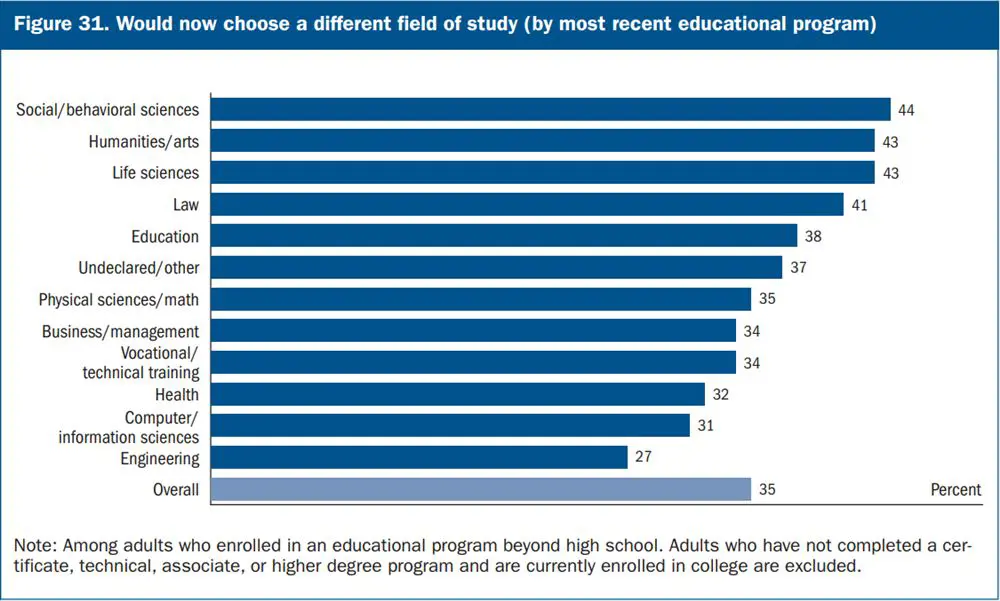
In the past, when many families discussed studying in the United States, their focus was on school rankings, major selection, and post-graduation salaries. However, today, for families planning for their children to study, work, and develop long-term in the United States, what truly needs to be considered in advance is no longer just "which school to attend" or "what major to choose," but a more realistic question: Can the child successfully remain in the United States after graduation? Studying in the United States is no longer a plan that can be completed with just an admission letter. It is connected to educational investment, career development, visa status, family asset allocation, and long-term life choices. For high-net-worth families, the end goal of studying in the United States is not just "graduation," but whether the child can truly possess the initiative for long-term development in the United States.
EB-5 Project Code: The Truth Behind WorldWay's 4th Choice of Peachtree
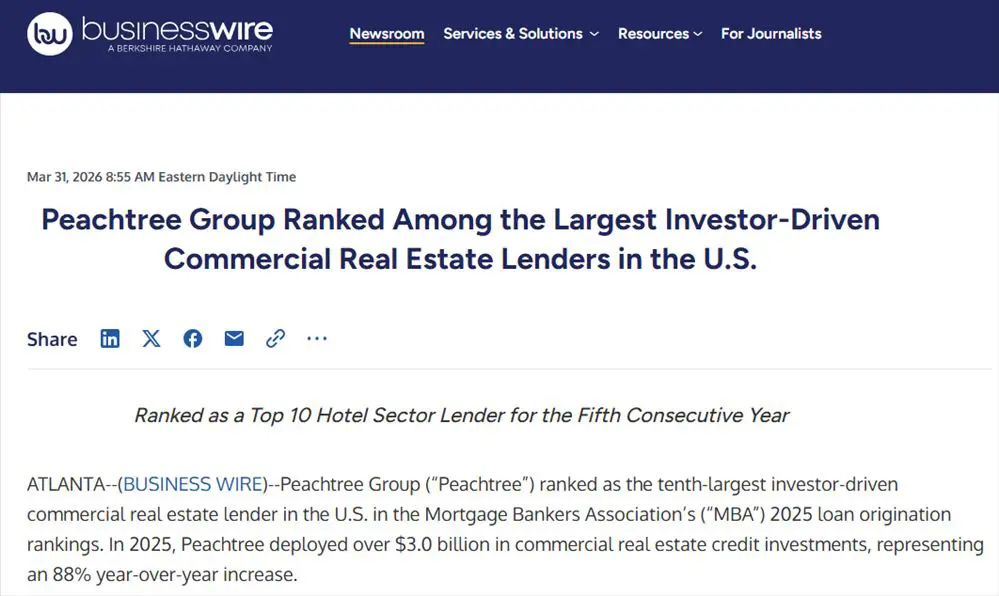
When selecting an EB-5 project, while the project itself is certainly important, what truly supports the long-term advancement of a project is often the platform capability behind it. A mature platform must not only understand financing but also possess expertise in commercial real estate, hotel development, and project management, while also having the capacity to provide continuous support throughout the project's construction, operation, and exit phases. Peachtree Group is a professional platform that has long been deeply engaged in the field of U.S. commercial real estate and hotel financing. It is not merely a single project manager, but a comprehensive platform that integrates commercial real estate investment, development, lending, asset management, and hotel operations. It is precisely because of this full-chain capability that Peachtree Group has become an important partner that WorldWay has chosen to cooperate with for four consecutive times. Currently, the "North Carolina Sugar Mountain Hilton Hotel" project, launched jointly by both parties, has received I-956F approval and is now open for subscription.
OPT Purge! The Path to Staying in the U.S. Changes
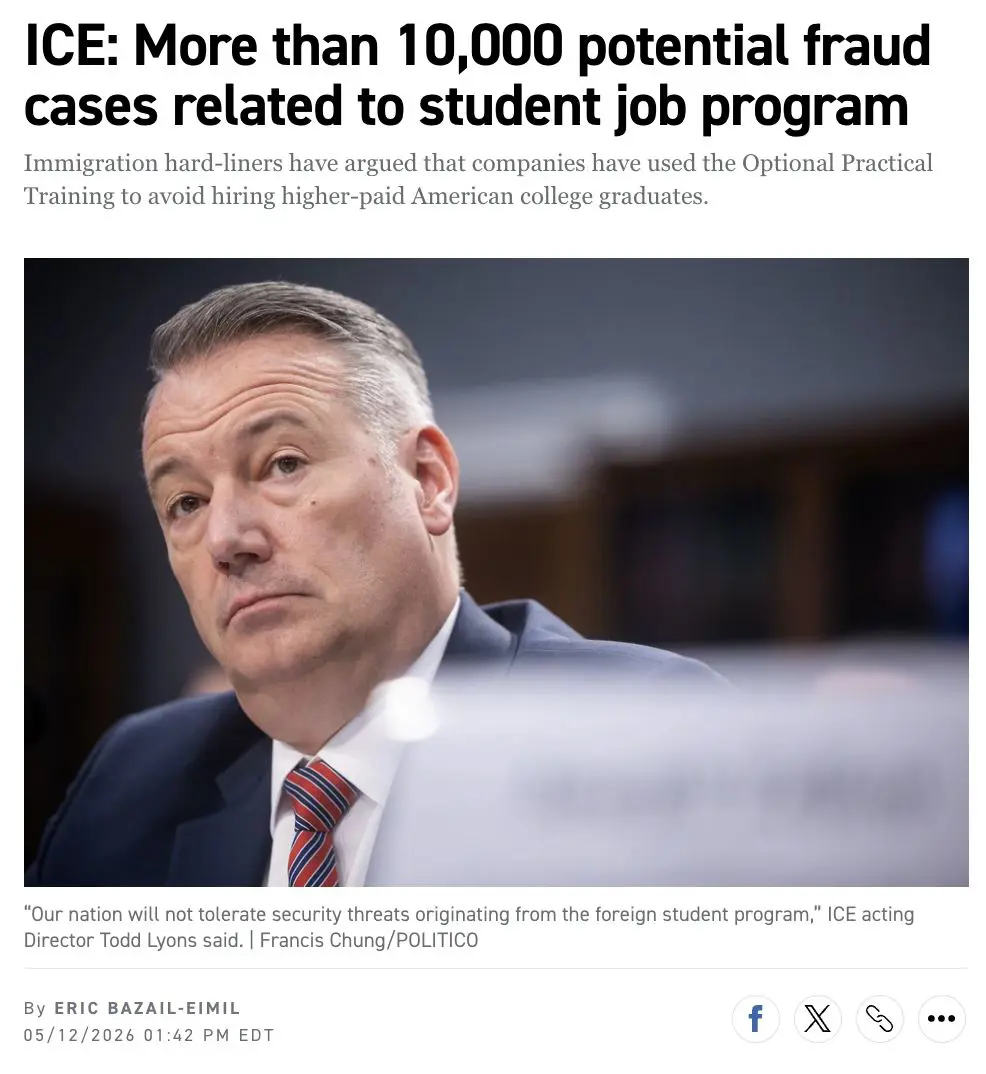
Recently, a piece of news has been circulating widely among international students in the United States. On May 12, local time, U.S. Immigration and Customs Enforcement (ICE) held a press conference to publicly call out issues such as fraudulent employment, shell companies, and employer affiliation within the OPT program. Acting ICE Director Todd M. Lyons stated that law enforcement agencies have identified over 10,000 foreign students associated with highly suspicious OPT employers, and this is only a portion of what has been investigated so far. This sends a very clear signal: the U.S. government is intensifying its scrutiny of international student status, the authenticity of OPT employment, and employer compliance.
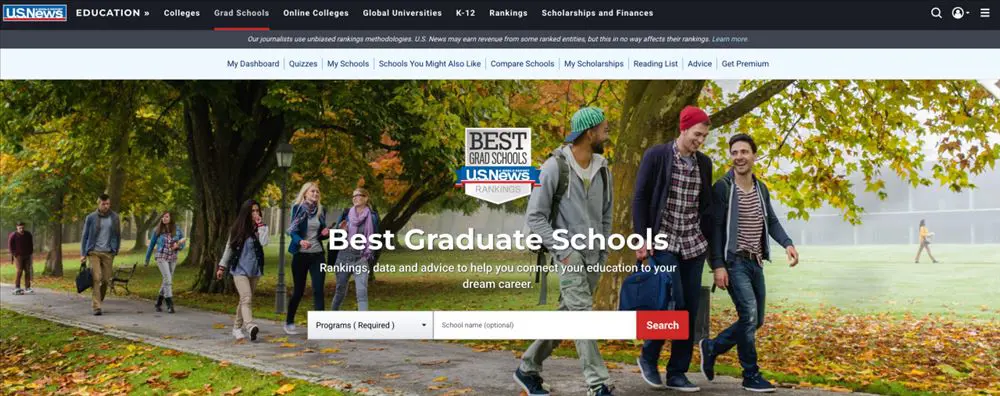
School Selection Reference! 2026 U.S. Graduate School Rankings Released
Recently, U.S.News & World Report officially released the 2026 Best Graduate Schools rankings in the United States. This ranking covers multiple popular fields, including business schools, engineering schools, schools of education, law schools, nursing schools, medical schools, and schools of public affairs, and further breaks them down into specific professional concentrations, providing an important reference for students and families planning to pursue advanced studies in the United States. The methodology for this year's ranking continues the framework of the previous edition, with variations in the specific indicator weights across different academic disciplines. The main reference dimensions include: • Peer Assessment (approx. 25%-40%) • Employment and Salary Levels (approx. 20%-35%) • Faculty Resources and Research Achievements (approx. 20%-30%) • Student Selectivity (approx. 10%-20%) • Other Supplementary Indicators (approx. 5%-10%)

Children going to the U.S. on a B visa for school? It's like planting a landmine for the future
For a long time, many families planning their children's education in the United States have had a similar idea: first, take the children to the U.S. using a B1/B2 visitor visa, rent a house in a good school district, let the children enroll in local public schools, and then make further plans once they have adapted to the environment. On the surface, this path seems low-cost, quick to start, and flexible. However, the real risk lies in the fact that the core purpose of a B visa is short-term visitation, not long-term study.
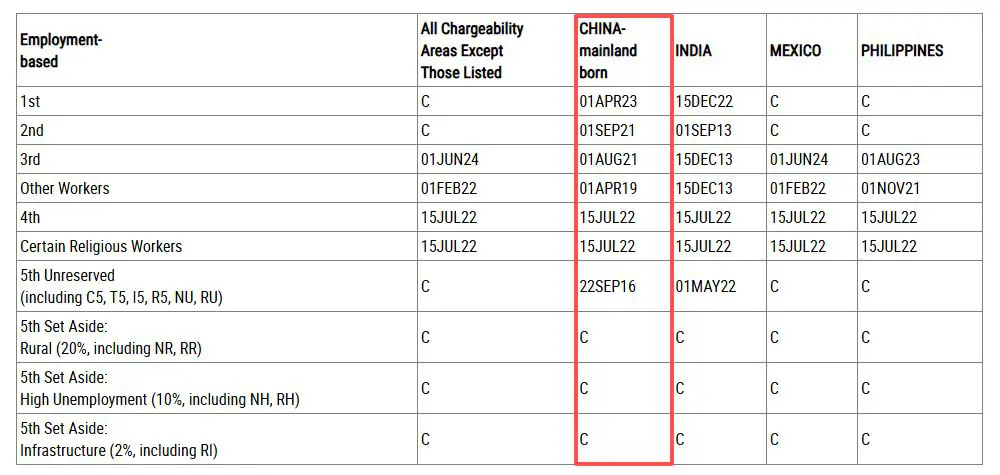
EB-5: Two Different Realities! Old Policy Stagnant, New Policy Visa-Backlog-Free
The U.S. Department of State's Visa Office has officially released the Visa Bulletin for June 2026 (the 9th month of the 2026 fiscal year). The new results show that there is no change in the EB-5 visa backlog under the old act, and EB-5 reserved visas under the new act remain current with no backlog. Table A: Final Action Dates For Employment-Based Preference Cases (Note: For those entering the U.S. Consulate interview process) Table B: Dates For Filing Of Employment-Based Visa Applications (Note: For those legally residing in the U.S. who meet the relevant conditions to file an AOS adjustment of status application with USCIS) It has not yet been announced whether Table B for employment-based immigration will be open for June 2026; this remains to be determined. WorldWay will continue to monitor the situation.