





Tags
WorldWay News
A Second Passport Empowers Families with Multiple Choices!
International travel, overseas education for children, cross-border business operations, living abroad... the living radius of an increasing number of families is no longer confined to a single country. At the same time, visa, entry, and residency policies across different countries are constantly evolving. According to the 2026 Henley Passport Index, the average passport globally currently grants visa-free or visa-on-arrival access to approximately 108 destinations, while the top-ranked passport provides access to 192 destinations. Over the past 20 years, overall global travel convenience has improved significantly. For individuals who need to travel across borders multiple times a year for business, leisure, or family visits, a second passport can reduce visa application, appointment, and waiting times, while providing an additional set of residency options for their children's education, career development, and future life. This is also a genuine need observed by WorldWay through its long-standing service to numerous families.
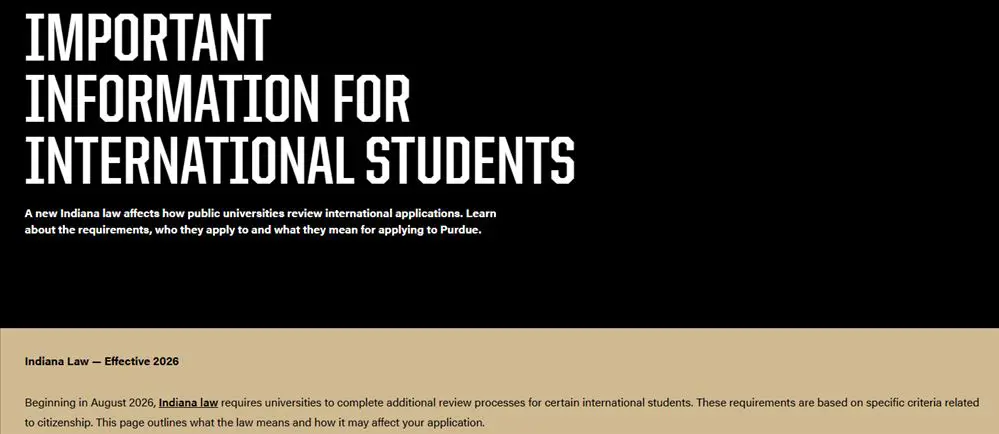
Alert! New Hurdles Being Added for Studying in the U.S.
This autumn, review procedures for international students at U.S. universities have taken another step forward. WorldWay Immigration has noted that Purdue University, a renowned U.S. STEM institution, has officially launched a new research security screening policy. Pursuant to Indiana SB 256, certain international students and postdoctoral researchers from specific countries, including China, who apply for related majors must undergo additional research security review before receiving formal admission or employment. This new rule officially came into effect on August 15, 2026. In short, while many security screenings previously occurred during the visa application process, research projects, or after entering laboratories, this review step has now been moved even earlier to the university admission stage.
Major Status Overhaul for U.S. International Students on Sept 15! Urgent Warnings Issued by Harvard and Other Universities
Returning to the U.S. this fall, international students need to pay special attention to one date—September 15, 2026. The U.S. Department of Homeland Security (DHS) has issued a final rule stating that starting September 15, the long-applicable "Duration of Status (D/S)" framework for F-1 students, J-1 exchange visitors, and others will transition to a fixed period of admission system. As the effective date of the new rule approaches, several U.S. universities—including Harvard, Columbia, Georgetown, and Ohio State—have begun issuing reminders to international students regarding their return to the U.S. and international travel plans. WorldWay Immigration notes that this change is not merely a simple adjustment of an entry date, but a significant shift in how international student status is managed.
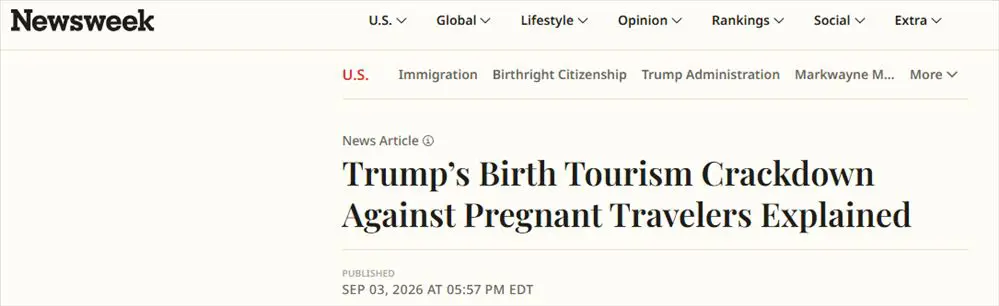
Alarm Sounded on US Residency Status! Giving Birth in the US Faces a New Round of Strict Scrutiny
News about additional parental status checks for children applying for US passports has just drawn attention (for details, click to read WorldWay's report: Sudden Shift! New Draft Bill on US Birthright Citizenship Arrives), and new tightening signals have emerged regarding "giving birth in the US". WorldWay Immigration noted that, according to a Newsweek report on September 3, US Homeland Security Secretary Markwayne Mullin stated in an interview with Fox News that the Department of Homeland Security is collaborating with the Department of Justice and the Department of Health and Human Services to study new restrictions on "giving birth in the US," including the possibility of restricting foreign travelers in their third trimester from entering the United States.
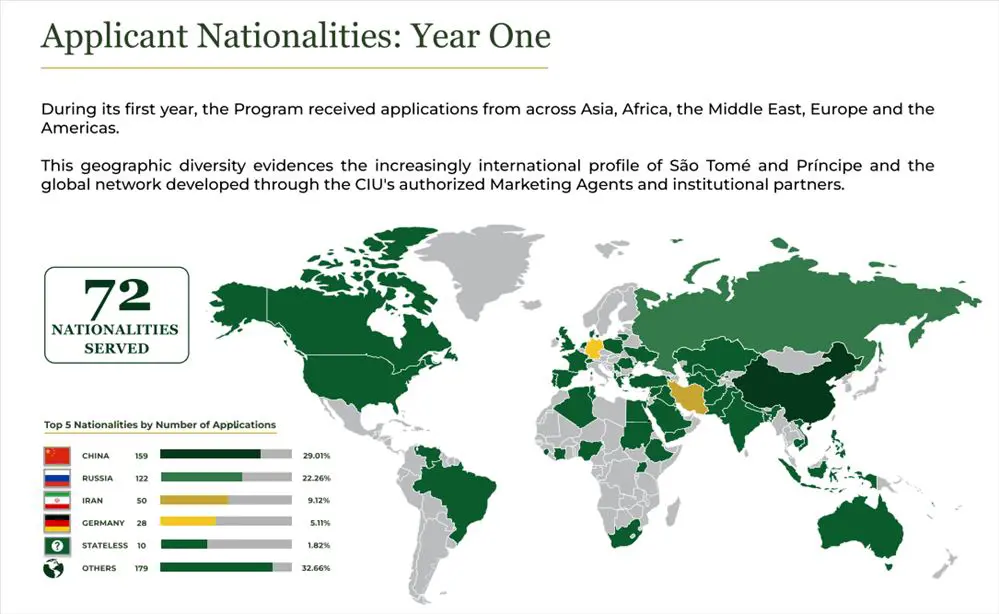
São Tomé Immigration: Chinese Applicants Lead the Way!
The São Tomé and Príncipe Citizenship by Investment Programme has released its first annual report since officially launching operations. Officially launched in August 2025, this new program has accumulated a batch of genuine application and approval data during its first operating year. Among these, Chinese applicants have shown particularly prominent participation. WorldWay Immigration has also noted that as the program's operations gradually stabilize, São Tomé is entering the horizon of second citizenship planning for an increasing number of families.
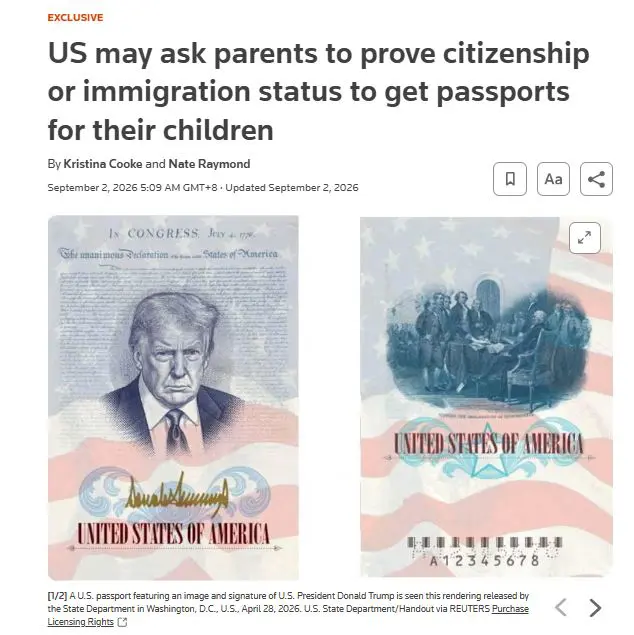
Sudden Shift! New Draft Guidelines for U.S. Birthright Citizenship Arrive
Another noteworthy shift has emerged regarding U.S. birthright citizenship. WorldWay Immigration notes that according to a Reuters report on September 1, the U.S. Department of State has drafted a new set of passport vetting guidance. Under the draft guidance, in the future, when parents apply for a U.S. passport for a child born in the United States, in addition to proving parentage and identity, they may also need to submit documentation of the parents' own U.S. citizenship or lawful immigration status.
WorldWay's 20-Year Path in U.S. Immigration: Building a Bridge of Non-Governmental Friendship Between China and the U.S.
Some 20-year journeys are written on calendars.\nOther 20-year journeys are recorded in approval notices, green cards, project progress reports, and capital repayment notifications.\nWorldWay's 20-year journey in US investment immigration belongs to the latter.\nIn 2006, WorldWay launched its US EB-5 investment immigration services, becoming one of the earliest professional agencies in China to enter this field.
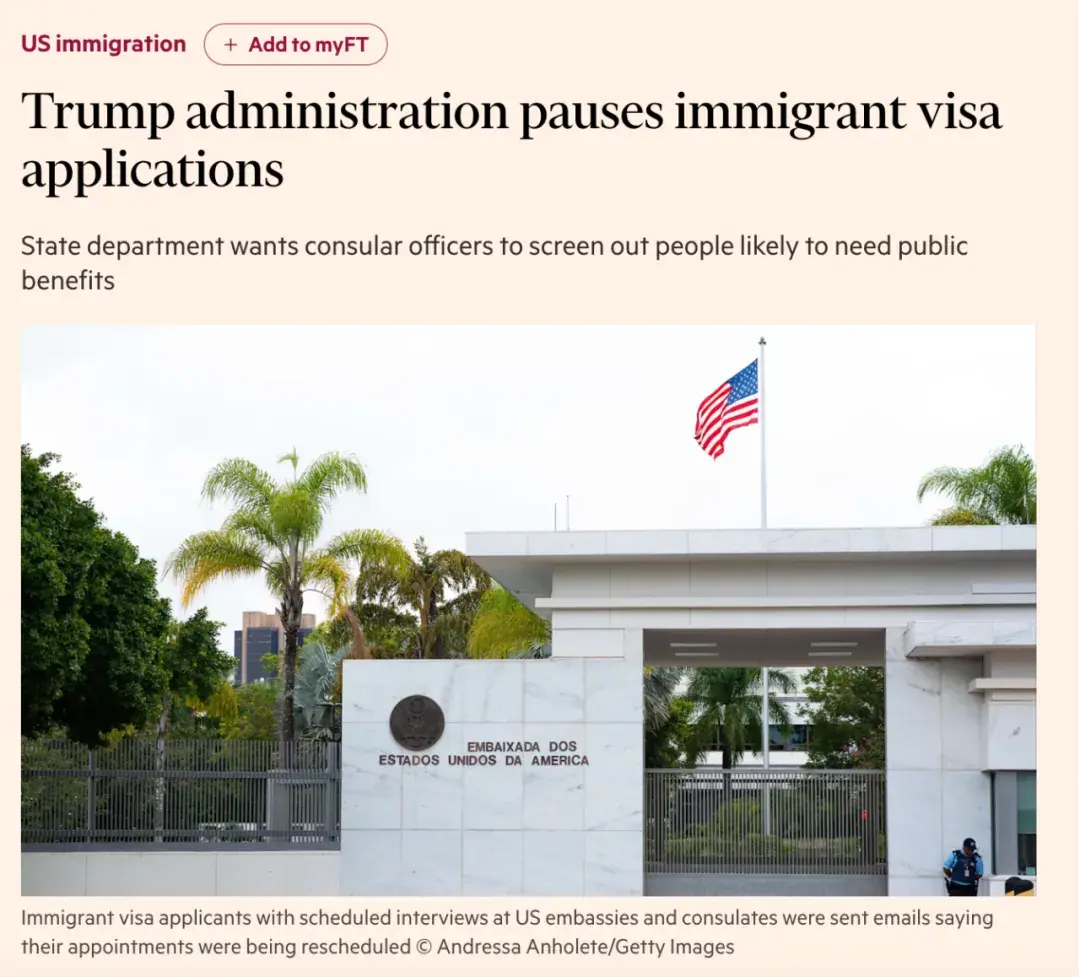
U.S. Immigrant Visa Interviews Urgently Halted! An Interpretation of the Truth
U.S. immigrant visa applicants have encountered another sudden adjustment. On August 25, 2026, local time, a spokesperson for the U.S. Department of State confirmed that U.S. embassies and consulates worldwide have suspended immigrant visa appointments and interview schedules.

Major Shift in Caribbean Passports! Policy Tightening Countdown Begins
Caribbean Citizenship by Investment programs are entering a new phase of adjustment. From strengthening background checks and biometric data collection to advancing unified regional oversight, the five Caribbean countries have been continuously raising program standards over the past two years. The underlying reason is clear: on one hand, to address security concerns raised by the EU, the UK, the US, and other parties regarding Citizenship by Investment programs; on the other hand, to preserve as much as possible the international mobility of their passports and the long-term stability of the programs. Moving forward, how Caribbean programs will adjust further and to what extent eligibility criteria will tighten deserve even closer attention.
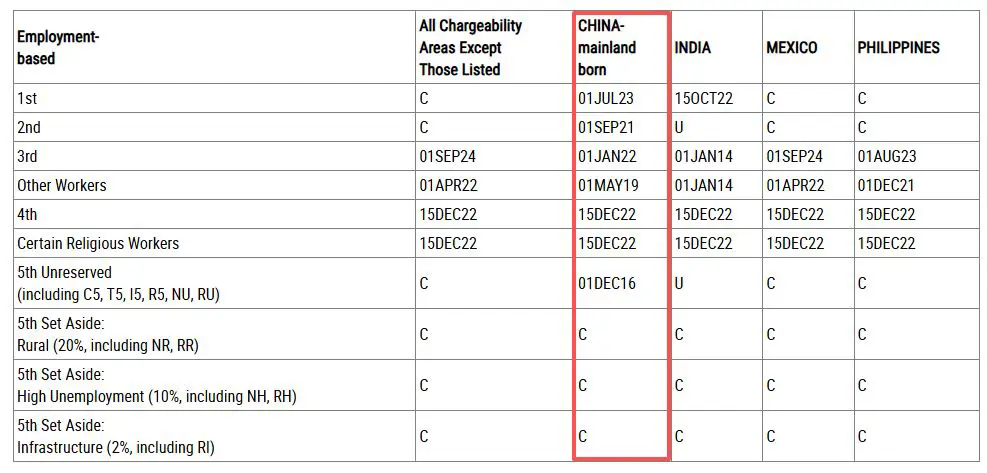
EB-5 Old vs. New Policy Divergence: Legacy Policy Stagnant, New Policy Unrestricted
The U.S. Department of State Visa Office has officially released the September 2026 Visa Bulletin. As the final month of Fiscal Year 2026, the EB-5 visa cut-off dates for this month remain unchanged from last month overall. • EB-5 New Law Still Has No Cut-Off Date: The three reserved visa categories—Rural, High Unemployment Area, and Infrastructure Projects—continue to maintain “Current” status on both Chart A and Chart B, meaning there is no visa backlog. • EB-5 Old Law Priority Dates Stagnant: Chart A remains at December 1, 2016, and Chart B remains at March 1, 2017.

Education Enters the Community, Residency Status Empowers
Education Enters the Community Residency Status Empowers
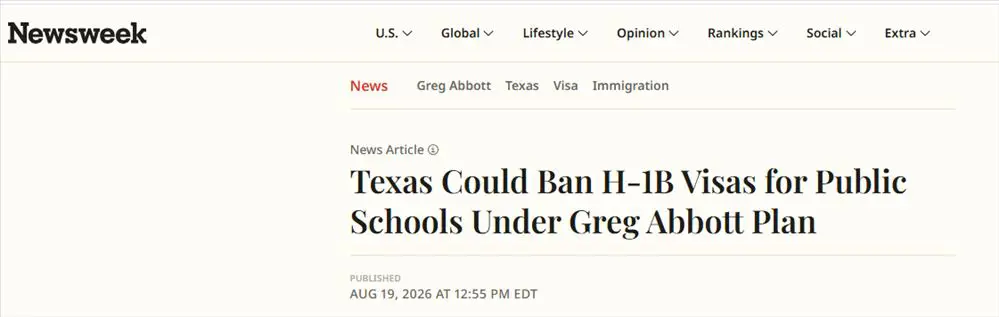
Sudden H-1B Shift: Texas Public Schools Plan Complete Ban
On August 18, 2026, local time, Texas Governor Greg Abbott put forward a major proposal: to push for legislation that would completely ban Texas public K-12 schools from hiring foreign workers through H-1B visas, with the scope of restrictions covering "existing H-1B employees + future applicants."