U.S. immigrant visa applicants have encountered another sudden adjustment.
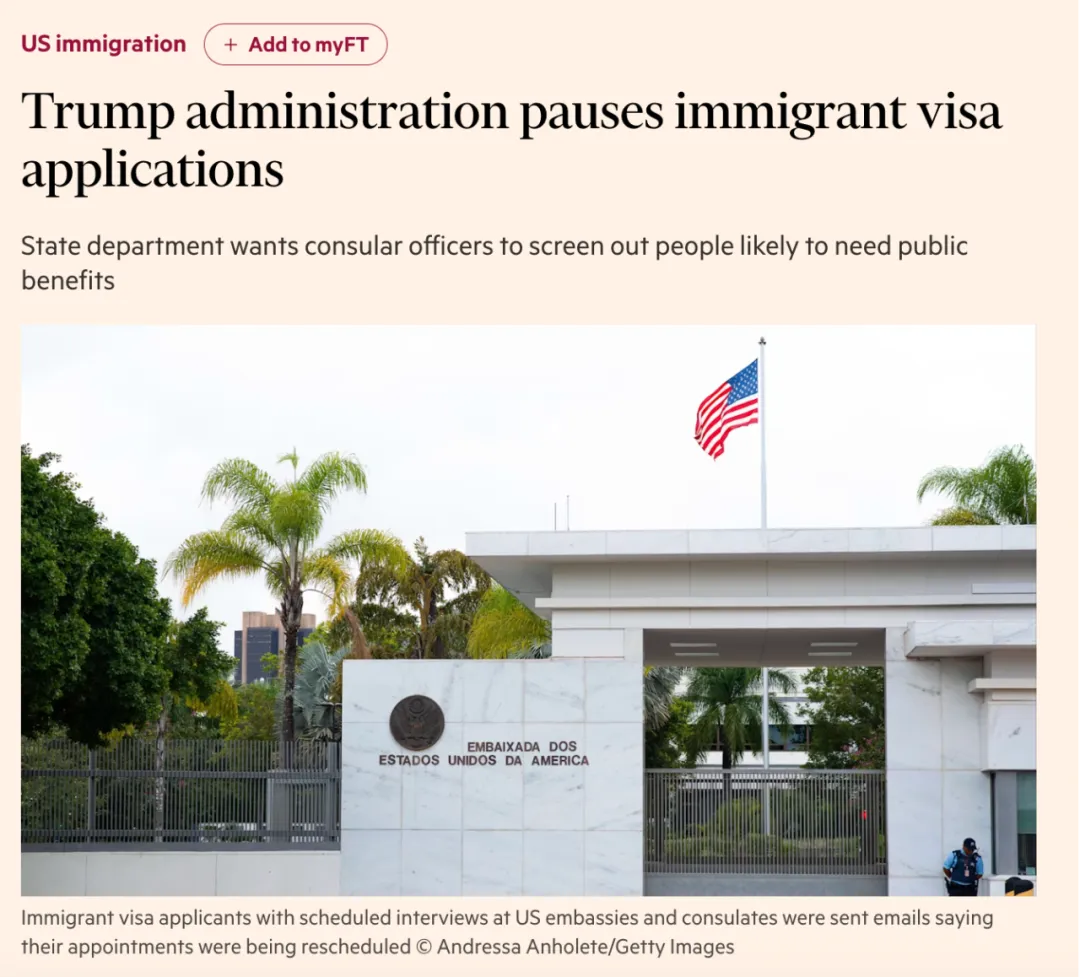
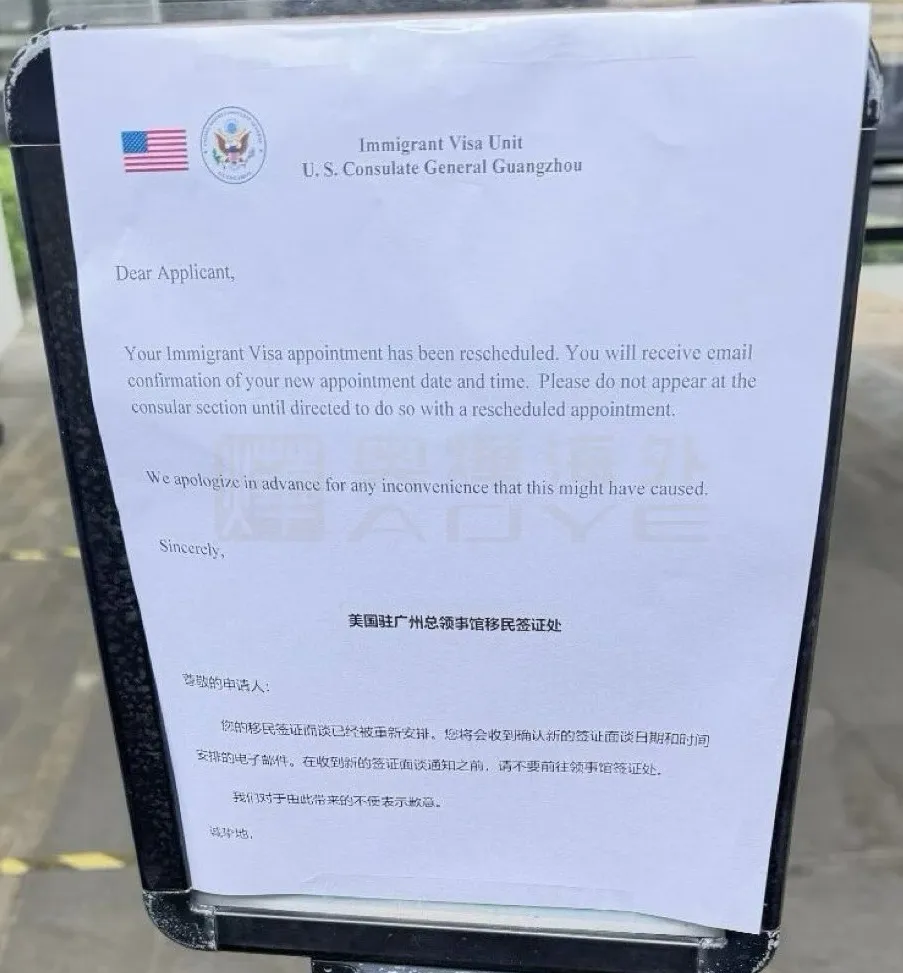
On August 25, 2026, local time, a spokesperson for the U.S. Department of State confirmed that U.S. embassies and consulates worldwide have suspended immigrant visa appointments and interview schedules.
Applicants who have already scheduled an immigrant visa interview will receive a rescheduling email from the embassy or consulate, and the new interview time will be notified separately.
Currently, the U.S. Department of State has not announced a unified resumption date. Based on available information, this suspension is more likely a phased adjustment. WorldWay will also continue to monitor follow-up developments and will share updates as soon as new official information becomes available.
Why the Suspension? The Focus Is on the “Public Charge” Review
This adjustment is related to a special training program for consular personnel currently being conducted by the U.S. Department of State across embassies and consulates worldwide.
One of the key priorities of the training is to further strengthen the “Public Charge” review. Previously, USCIS also re-clarified the review standards for “Public Charge”, and the relevant new policy will officially take effect on September 18, 2026.(For details, click to read WorldWay's previous report: Green Card Alert! U.S. Public Charge New Rule Takes Effect Soon)
Simply put, it is to further train consular officers on how to determine whether an applicant may depend on U.S. public benefits in the future, and to unify the review standards across different embassies and consulates, thereby evaluating every visa applicant more comprehensively and consistently.
Therefore, this change primarily affects immigrant visa appointments and interview schedules outside the U.S., and does not mean that U.S. immigration applications have come to a complete halt.
What Should Applicants Who Have Already Scheduled Interviews Do?
For applicants who have already received an interview notice, the most important thing at present is to check their email inboxes promptly, including spam folders, and pay attention to the latest notifications from U.S. embassies, consulates, or the National Visa Center.
If the originally scheduled interview is canceled or postponed, it does not mean that the immigration application itself has been refused or terminated.
Applicants who are preparing for medical examinations, application materials, and other follow-up procedures can still proceed according to their original pace, subject to the latest notifications from their respective embassies or consulates.

What Does This Mean for EB-5 Applicants?
For EB-5 applicants, compared to this phased interview adjustment, what deserves more attention at present are two approaching policy milestones.
The first is September 30, 2026.
The new EB-5 law establishes an important “grandfather clause” protection. For eligible regional center investor applications filed on or before September 30, 2026, USCIS shall continue processing the relevant cases even if the regional center program authorization expires in the future.
The second is January 1, 2027.
Currently, the minimum EB-5 investment amount is $800,000. According to the provisions of the new EB-5 law, the minimum EB-5 investment amount will automatically adjust every five years based on inflation. Starting January 1, 2027, the minimum EB-5 investment amount will increase from the current $800,000 to $900,000–$950,000 or even higher.
One concerns policy protection, while the other concerns investment cost. For families with a clear need to relocate to the U.S. long-term, both milestones warrant advance attention.
At the same time, the Trump administration has recently introduced a series of policy “combination punches” regarding non-immigrant visas, visa vetting, and entry management. For parents who plan to accompany their children studying in the U.S. over the long term, relying on temporary visas to travel back and forth between the U.S. will involve increasing future uncertainty.
If a family has a clear demand to accompany their children and live in the U.S. in the coming years, rather than relying on temporary visas long-term, it is better to incorporate a long-term legal status into their overall plan as early as possible. For eligible families, EB-5 can provide a more stable status option for children's education, parental accompaniment, and long-term U.S. residency for the entire family.
Currently, WorldWay is highlighting the I-956F approved “Deer Valley · Snowridge Residence” EB-5 rural project, as well as the “Marriott · Lakeview Resort” EB-5 project launched in partnership with Peachtree Group for the fifth time, to help families with U.S. status planning needs seize the current policy window. From now until August 31, 2026, applying for EB-5 immigration qualifies for WorldWay's limited-time exclusive offer. Families with relevant plans are encouraged to evaluate early based on their specific situation.