





Tags
Transitioning from H-1B to Green Card in the United States
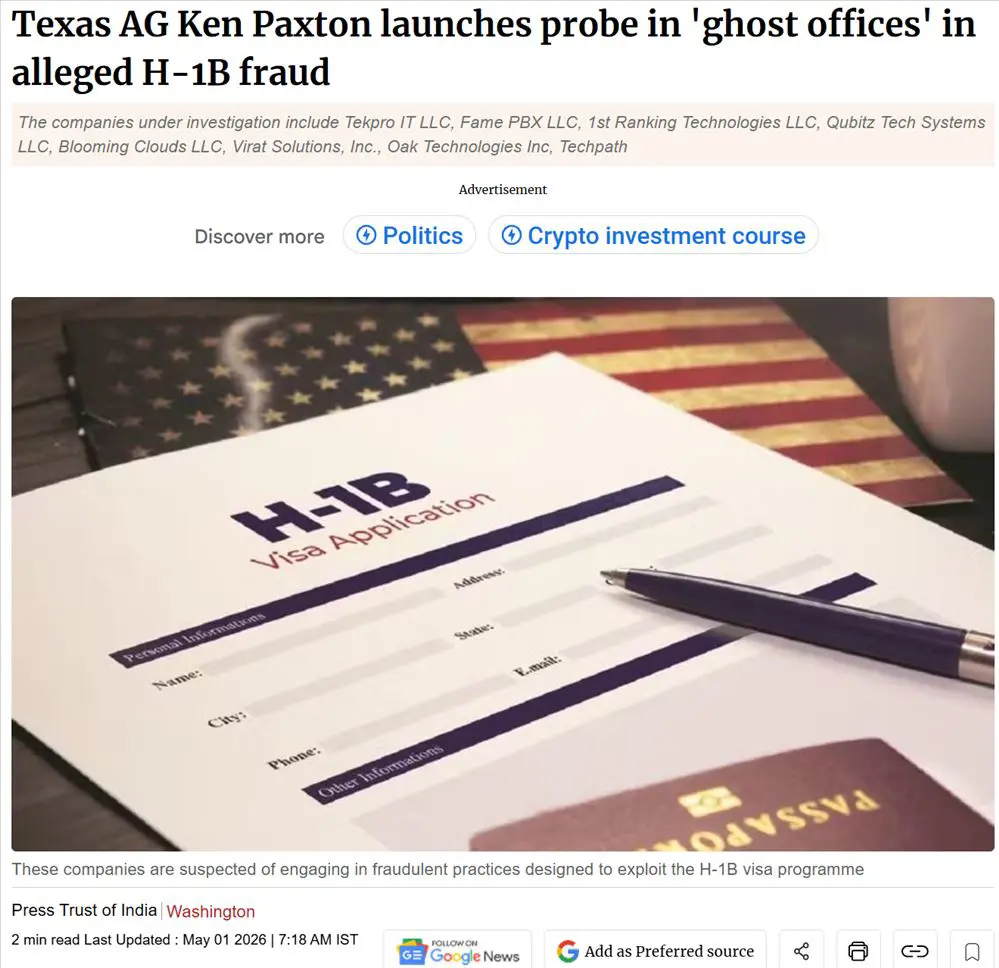
Warning for Staying in the U.S.! Strict H-1B Compliance Checks
Against the backdrop of waves of layoffs, tightening visa policies, and the continuously rising uncertainty of the H-1B lottery, many international students and H-1B holders in the U.S. are facing unprecedented anxiety regarding their immigration status. In the past, the primary concern was "whether one could win the H-1B lottery"; however, the issue is becoming increasingly complex: even if selected, is the sponsoring company truly compliant? Does the position actually exist? Can the office location withstand scrutiny? These details, which were easily overlooked in the past, are now becoming new risk factors affecting the security of one's immigration status.
Major Legislative Proposal: Is the H-1B Being Abolished?
There is more significant news regarding the H-1B visa! Just as the discussions surrounding the rise in H-1B salary thresholds have yet to subside, another major update has emerged in the U.S. immigration community. According to Newsweek, U.S. Representative Andy Ogles (R-TN) has introduced a new bill in Congress—the Assimilation Act—which plans to completely eliminate the Green Card Lottery and terminate the H-1B visa program in its entirety. This proposal has been described by some media outlets as "the most far-reaching immigration system reform of this century."
H-1B Alert! The Landscape for Staying in the U.S. Shifts Again
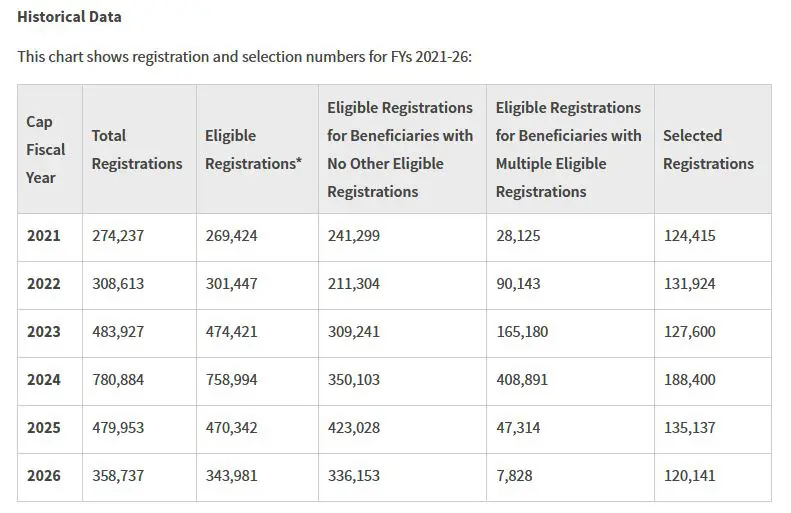
Recently, many international students have been repeatedly refreshing their systems, waiting for their H-1B lottery results. The H-1B registration for the 2027 fiscal year closed on March 19, and results have begun to appear in some applicants' myUSCIS accounts. Meanwhile, reports suggest that this year's H-1B registration volume may have declined by 30%-50% compared to last year. This does not reflect a lack of desire to stay in the U.S., but rather that this path is becoming increasingly difficult. The annual H-1B quota is 65,000 regular spots plus 20,000 spots reserved for those with a U.S. master's degree or higher, totaling approximately 85,000. However, the number of applicants consistently far exceeds the quota. Even with a decline in registration for the 2026 fiscal year, the reality of hundreds of thousands of people competing for 85,000 spots remains unchanged.