



Children are preparing to study overseas, parents travel across borders frequently, corporate businesses extend to different countries, and family assets begin to go global.
As a family's radius of life expands, many realize that what needs to be planned in advance is no longer just education, career, and assets—residency and citizenship status itself is becoming a crucial component of global planning.
This is why an increasing number of families have been turning their attention to obtaining a second passport in recent years.
It does not necessarily mean relocating overseas immediately, nor does it require changing your current career and lifestyle right away. For many families, acquiring a second passport is more like adding an alternative status solution in advance: making travel more convenient, opening up more possibilities for children's education, increasing flexibility in international business and asset arrangements, and reserving an extra choice for the entire family's future.

I. Global Travel
An Extra Passport, An Extra Advantage in Convenience
For those who frequently engage in cross-border business, travel, and family visits, the time cost associated with visas is the most direct burden.
Preparing documents, making appointments, and awaiting approval can require planning a trip weeks or even months in advance. For entrepreneurs, executives, and families who travel frequently between multiple countries, applying for visas repeatedly represents a significant cost in both time and energy.
Passports from different countries grant access to different networks of visa-free, visa-on-arrival, and e-visa travel.
Acquiring a second passport can further expand international mobility, allowing for greater flexibility in spontaneous business trips, family vacations, and overseas itineraries.
For true frequent global travelers, the value of a passport goes beyond the static number of “visa-free countries”; it lies in having one fewer procedure and one more option when it is time to depart.
II. Children's Education
Opening Up More Pathways in Advance
When families begin considering their children's future, the value of citizenship status extends further into education.
Where children study in the future, which schools they apply to, and where they develop their careers after graduation involve not only school selection and academic performance, but also nationality, visa, and residency status.
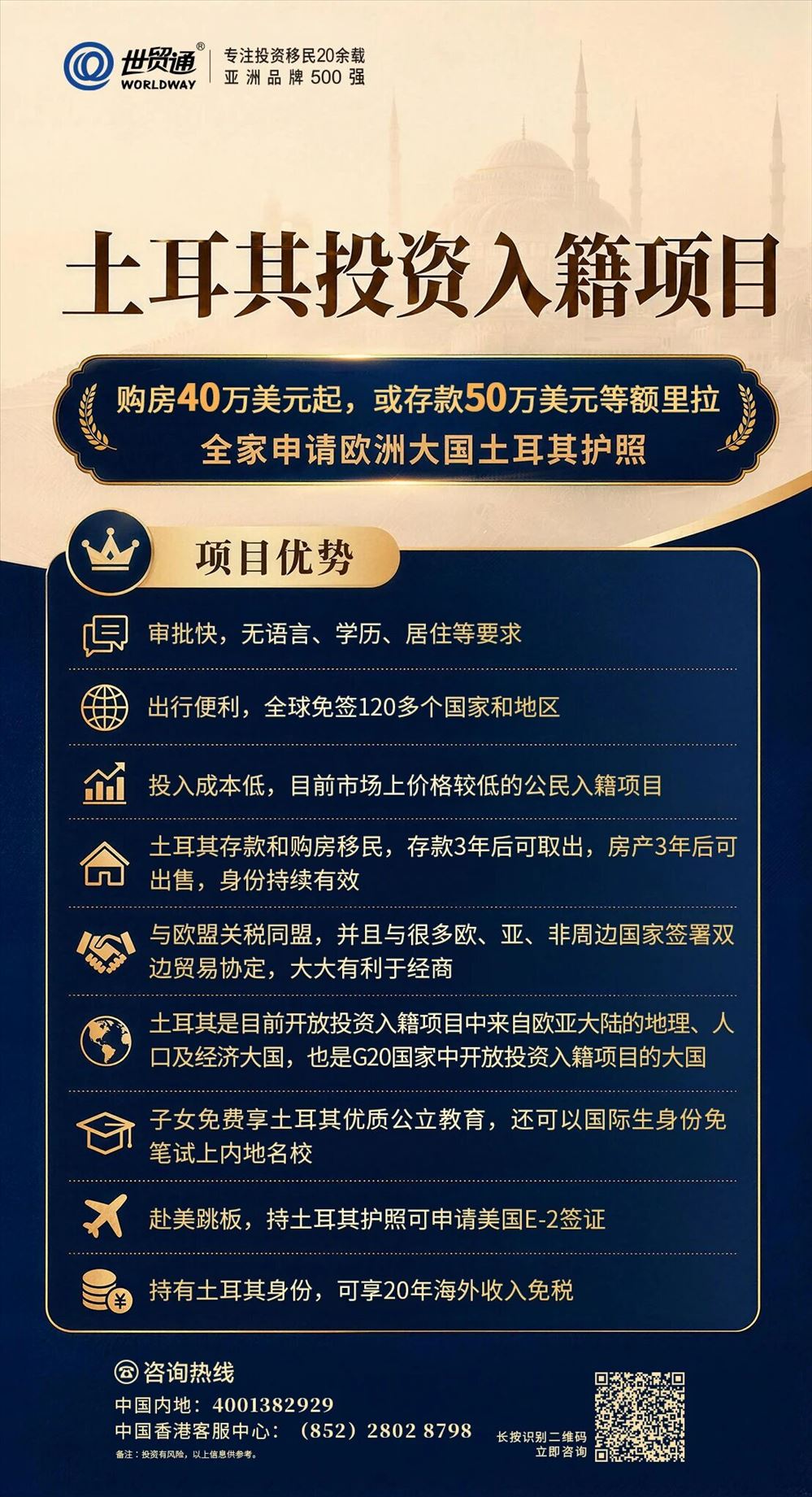
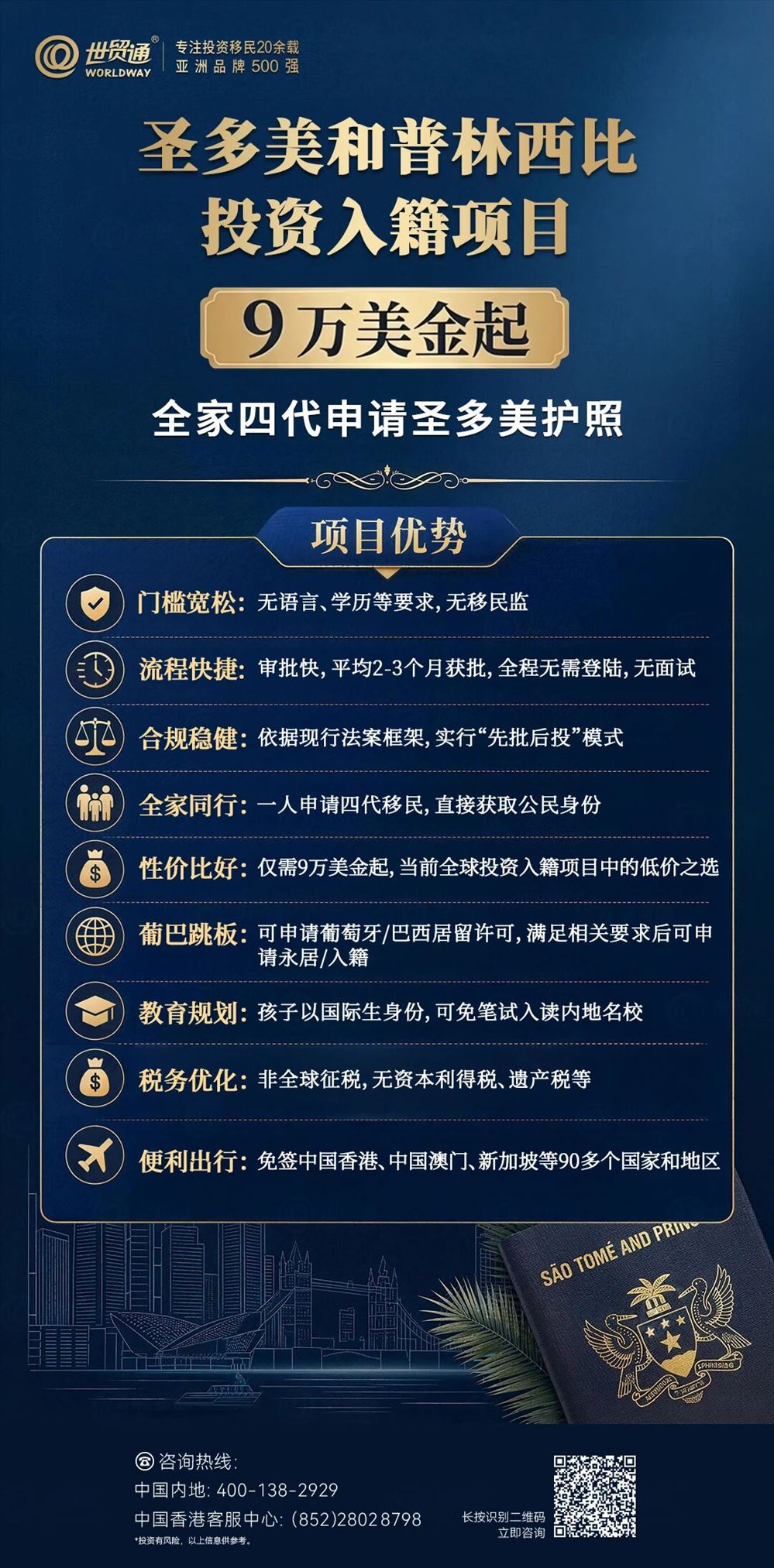
Different nationalities correspond to different educational resources and admission pathways. Citizens of certain countries can access local educational resources, and certain citizenship statuses can seamlessly connect to visa and residency arrangements in other countries or regions, opening up more possibilities for future study abroad and career development. If children choose to return to study in mainland China in the future, they can also apply to top mainland universities as international students without written examinations, adding another option for higher education admission.
Therefore, for families who have already decided on an international education for their children, status planning does not need to wait until the child actually goes abroad.
The earlier citizenship status is integrated into educational planning, the easier it is to retain the initiative when facing different academic and career paths in the future.
III. Career and Assets
Greater Flexibility in Global Structuring
While children's education is becoming internationalized, the businesses and assets of many high-net-worth families have long crossed international borders as well.
Overseas clients, cross-border trade, international investments, offshore companies, foreign real estate…… as business operations and family wealth gradually expand globally, citizenship status can also serve as an integral part of the overall strategy.
A second passport can facilitate international business exchanges, cross-border travel, and overseas living arrangements, while providing greater planning flexibility for future global family asset allocation.
Among these factors, the tax environment is an important reason why many high-net-worth families pay attention to passport programs.
Some countries offering Citizenship by Investment programs have relatively friendly tax regimes, with arrangements featuring no taxation or relatively low tax burdens regarding personal income tax, capital gains tax, inheritance and gift tax, and wealth tax.
For families with needs in global asset allocation, wealth succession, and cross-border business, this offers broader possibilities for subsequent tax planning. Citizenship status, place of residence, tax residency, and asset structure are inherently key interconnected elements to be holistically considered in global wealth planning.
IV. Single Planning
Addressing the Long-Term Needs of the Whole Family
The value of a second passport often extends far beyond a single individual.
Currently, many Citizenship by Investment programs can cover spouses, children, and eligible parents or grandparents, allowing a single application to address the status needs of multi-generational family members.
For families looking to plan together, a second passport is not merely acquiring an additional document for the main applicant, but acquiring a long-term status solution for the entire family.
V. Four Major Regions, 9 Major Passport Programs
Meeting the Diverse Needs of Families
So, which second passport programs are currently worth paying attention to?
The Citizenship by Investment programs strategically focused on by WorldWay already span multiple regions across 9 countries:
• Europe: Turkey
• Pacific Island Countries: Nauru, Vanuatu
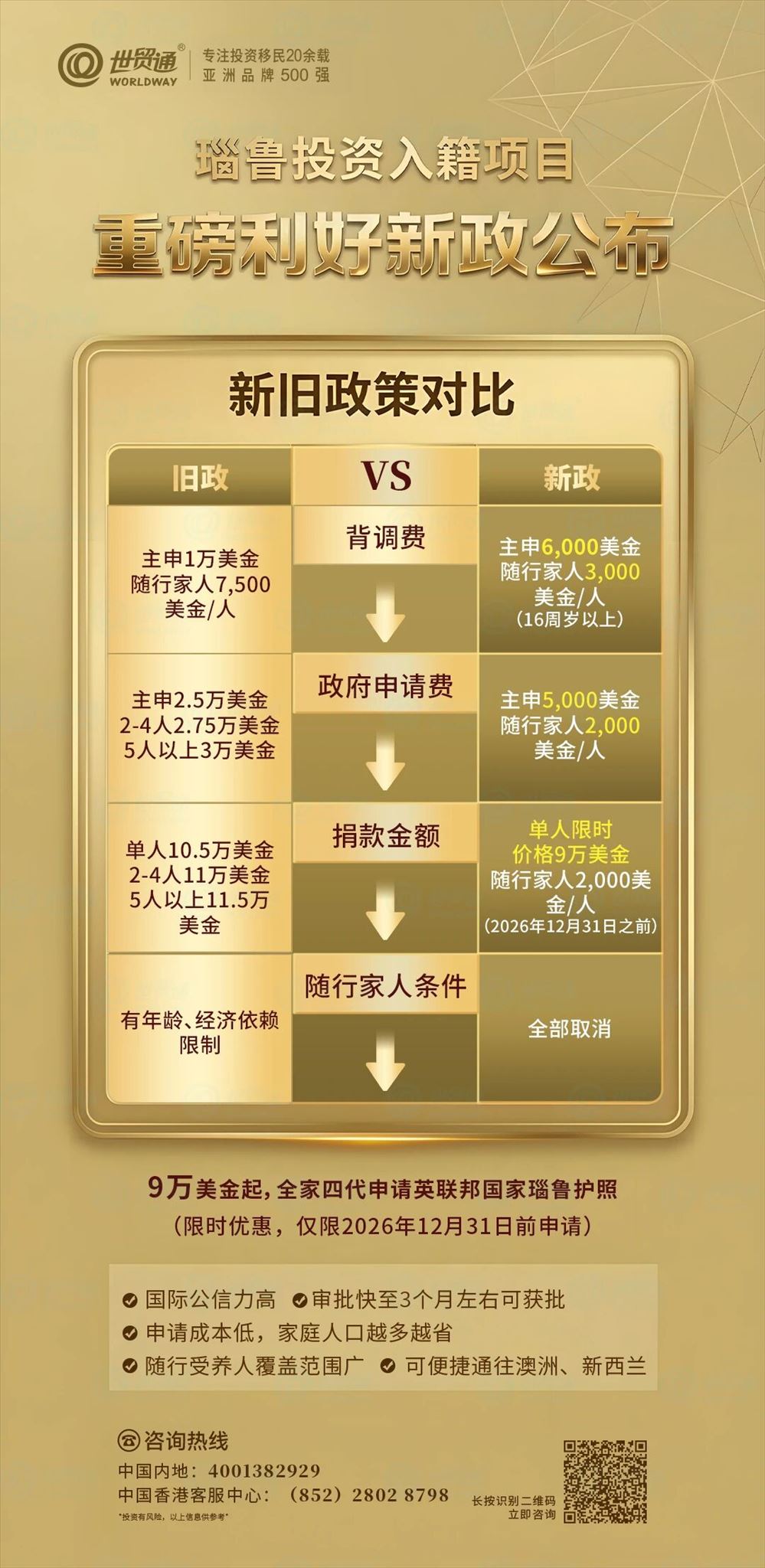
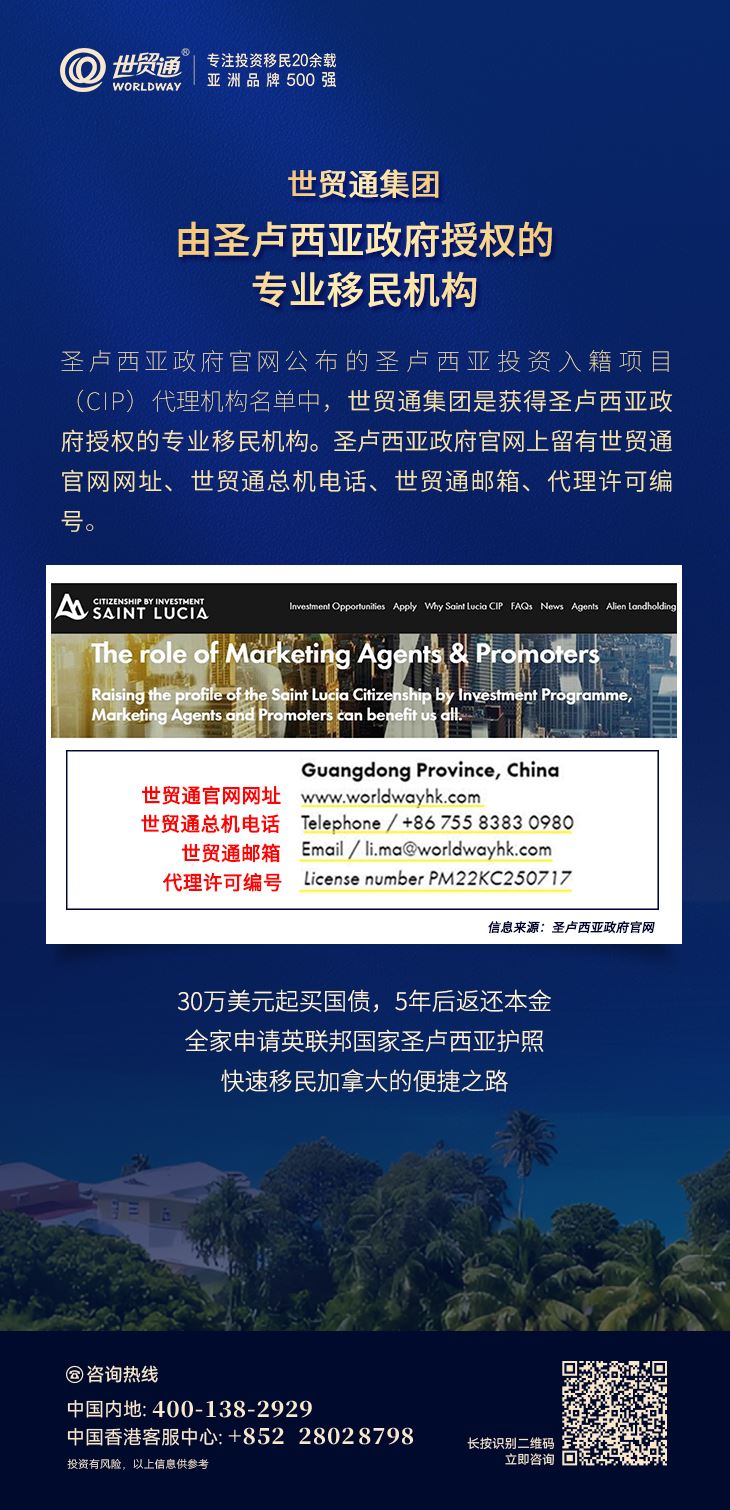
• Five Caribbean Nations: Saint Kitts and Nevis, Saint Lucia, Grenada, Antigua and Barbuda, Dominica
• Africa: São Tomé and Príncipe
Nine countries mean nine distinct status options.
From investment budget and application methods to family coverage, international mobility, education planning, business requirements, and asset structuring, every family has different priorities.
Some prioritize travel convenience, while others seek multi-generational coverage; some focus on their children's future education and development, while others place greater emphasis on international business, asset allocation, and wealth succession.
Currently, WorldWay has established a global citizenship service structure covering the aforementioned 9 major passport programs, matching customized status solutions based on the budget, family structure, and practical needs of different families. For details, please consult WorldWay.

For detailed inquiries in Mainland China: 400-138-2929; Hong Kong SAR Customer Service Center: (852)2802 8798