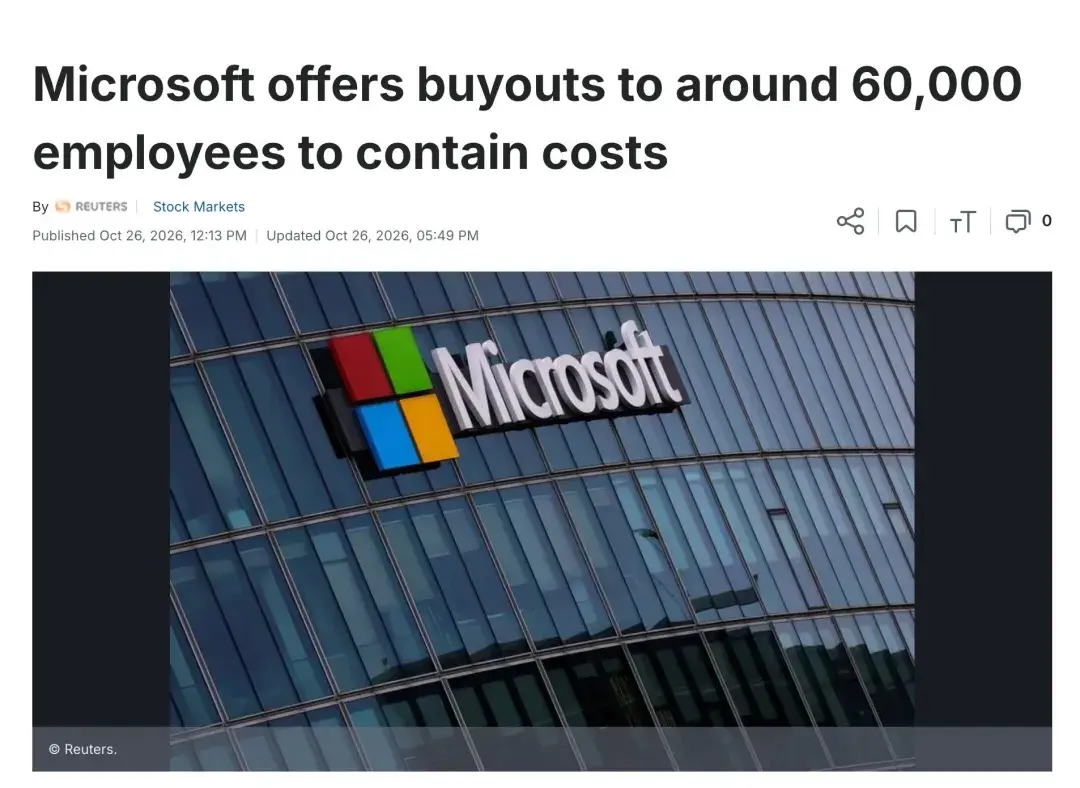
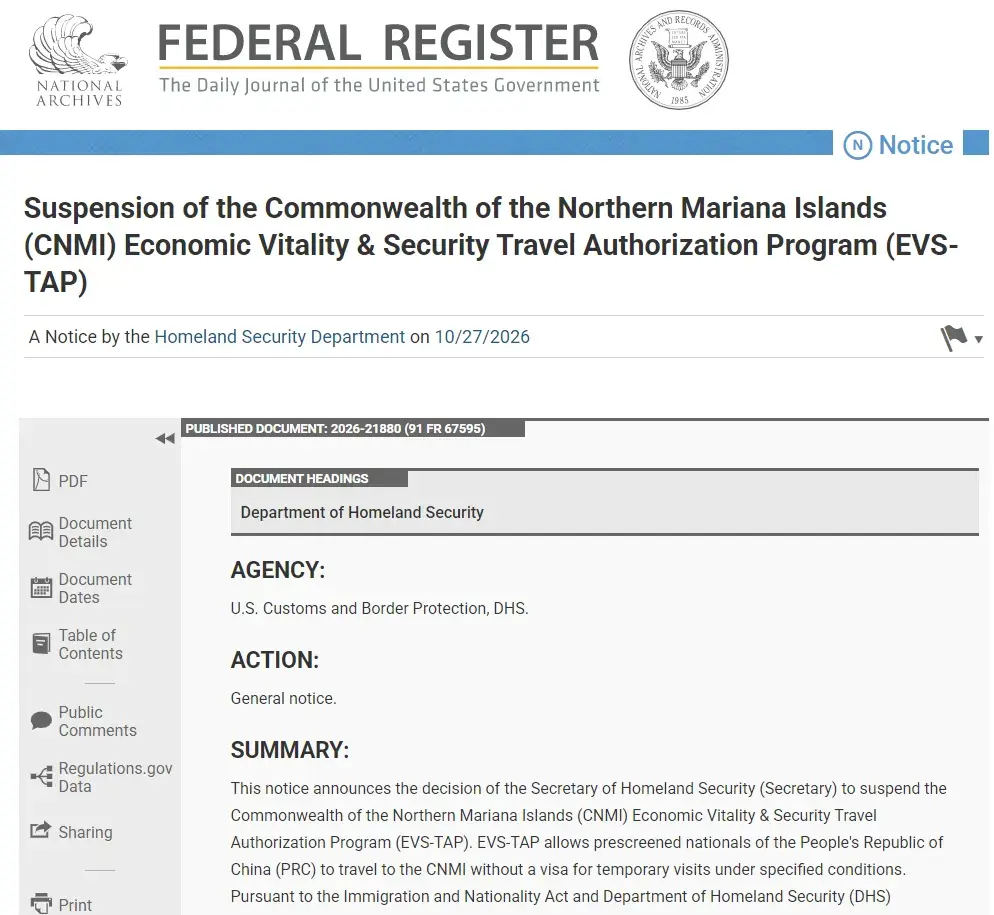
On the evening of February 27, many clients of Worldway's U.S. investment immigration services forwarded a WeChat post titled "Breaking News! U.S. Department of State Calls for First Suspension of Chinese Investment Immigration," asking if this was true. Has the U.S. Department of State really suspended the EB-5 U.S. investment immigration program? Worldway's U.S. immigration experts explicitly deny this, and the original text of the post is published below, followed by a detailed analysis and debunking.
"Stunned! Stunned! The wealthy are truly stunned this time! (This was a catchphrase coined when Canada shut down its federal investment immigration program last year. Because the Canadian federal government suddenly halted investment immigration, it dealt a heavy blow to applicants who were hesitating at the time. Many missed the last train for investment immigration in a moment of indecision, which indeed left the wealthy with a sense of frustration of being "stunned.")"
The U.S.-China Economic and Security Review Commission released a report on the 26th stating that due to lax management of the U.S. EB-5 visa program, it may be subject to abuse, leading to emerging concerns about fraud among Chinese investment immigrants, whose applications have surged in recent years. (Similar attacks are frequent; not long ago, the U.S. ABC News network issued a series of critical reports. Verification of the data reveals: The U.S.-China Economic and Security Review Commission was established in 2001 as a special agency created by the U.S. Congress to monitor the impact of U.S.-China trade relations on the U.S. economy and security. The commission consists of 12 members appointed by congressional leadership, but they come from the private sector, not from Congress. Because it has repeatedly advocated for a hard line on China in its reports, the commission is also known as a "troublemaker" in U.S.-China relations.)
China's investment in the U.S. has exceeded 10 billion USD annually over the past two years. The U.S. issues 10,000 EB-5 visas each year, with each country limited to a maximum of 7%. However, due to underutilization by other countries, the Department of State allows China to exceed this quota. (Allowing China to exceed the quota means that unused quotas from other countries can be allocated to Chinese applicants. As a result, the number of Chinese investors obtaining EB-5 visas surged from fewer than 2,500 in 2011 to 6,985 in 2013, accounting for 85% of EB-5 visas in 2014.)
However, the Department of State announced that it will suspend the processing of EB-5 visa applications for Chinese nationals before the end of the 2015 fiscal year, which concludes in September of this year. (Seeing this, we initially thought it referred to the expiration of the "Regional Center Pilot Program" on September 30, 2015. Congress will vote on whether to extend this "Regional Center Pilot Program" for another three years before September 30 of this year. We expect the extension bill to pass, and it is also possible that the Regional Center regulations will be made permanent. However, it is highly probable that the EB-5 investment threshold will rise from 500,000 USD to 900,000 USD. Therefore, we advise investors to apply as soon as possible.)
However, the investment immigration visa allows foreigners from other countries to obtain a green card by investing 1 million USD in developed areas of the U.S., or 500,000 USD in areas with high unemployment rates. Investors and investment projects must be reviewed by local governments before visas can be issued. (These two paragraphs are unrelated to the "suspension of EB-5," so we will not comment on them.)
The above is the "miracle post" that kept many of our friends and clients awake tonight.
Worldway's U.S. immigration experts traced the source and found that this "miracle post" was actually excerpted from a report on World Journal: "Chinese Investment Immigrants Worried About Fraud - Department of State Calls for Suspension." So, is this "miracle post" consistent with the World Journal report? A careful comparison reveals that the World Journal report contains this sentence: "The Department of State announced for the first time last August that it would suspend the processing of EB-5 visa applications for Chinese nationals before the end of the 2015 fiscal year, which concludes in September of this year."
Worldway's U.S. immigration experts point out: The core "mystery" lies right here. The announcement of the suspension was actually made in August of last year, meaning the EB-5 program was first announced to be suspended in August 2014, not in 2015. As everyone knows, in August 2014, because the visa quota for the 2014 fiscal year was exhausted, the U.S. Department of State suspended green card visa interviews at the Guangzhou Consulate. However, starting October 1 of last year, the EB-5 quota for the new fiscal year was restarted, sparking a new wave of applications.
Seeing this, everyone should have a sudden realization. In fact, the content of the World Journal article is basically reliable, but when this article was adapted into a WeChat post, it was "grafted" due to careless editing by individual websites or WeChat circles.
In recent years, Chinese investors' enthusiasm for EB-5 investment immigration has remained undiminished, and the hype surrounding related topics has become increasingly intense. Among them, there are insightful views, but it is inevitable that there will be a mix of good and bad, interspersed with some works that only seek to attract attention without regard for truth or falsehood. Fake news like this about the U.S. Department of State halting the investment immigration program appears several times every year. We advise investors to be vigilant when seeing such news and to communicate with professional immigration experts in a timely manner to clarify the facts and put an end to rumors.