WorldWay · U.S. Immigration Policy · Cutting-edge Insights
On October 26 local time, Microsoft announced a voluntary separation package. Approximately 60,000 employees are eligible to apply, representing about 27% of its global workforce of 223,000. This news quickly attracted widespread attention.
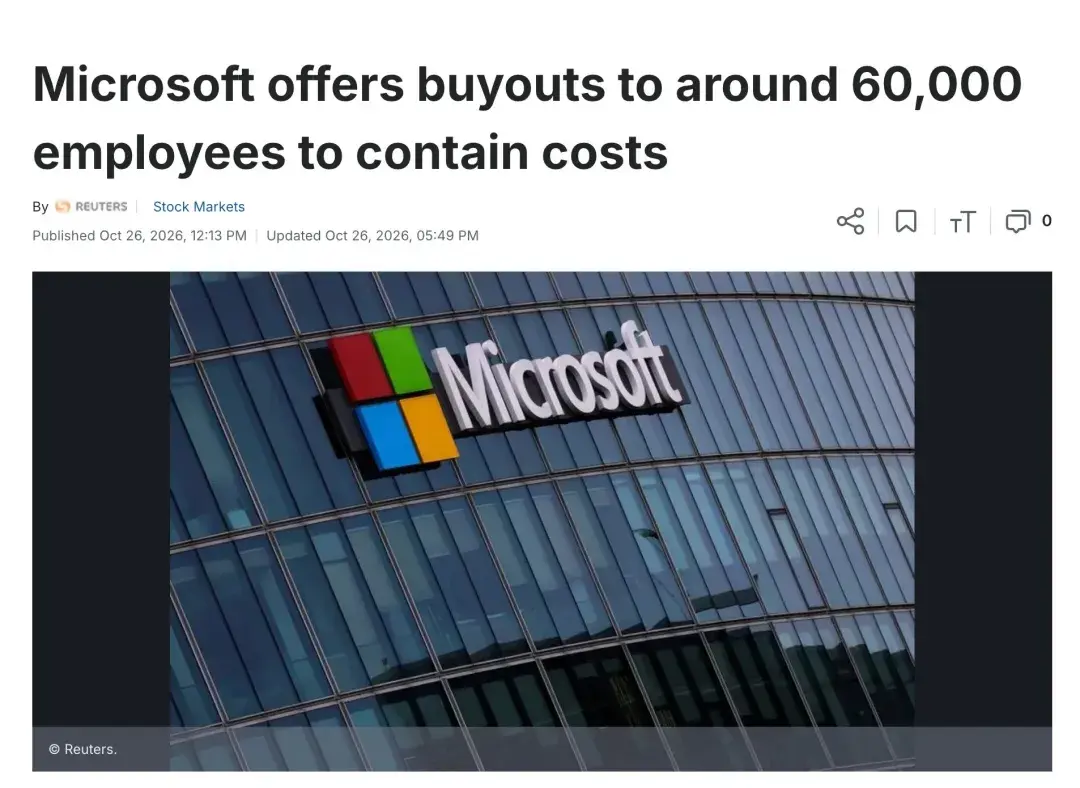
For regular employees, voluntary separation may mean a severance payout and an opportunity to re-evaluate career directions. However, for H-1B visa holders working in the United States, as well as foreign employees applying for U.S. green cards through employer sponsorship, this decision also involves a more practical question: If your job status changes, how should you bridge your current U.S. legal status?
This is especially pertinent at a time when the U.S. government has suspended PERM labor certification applications for companies like Microsoft, PERM reforms are underway, and proposed rules are calling for the elimination of the up-to-60-day grace period following employment termination for certain work visa holders. The link between employment changes and legal status planning has never been tighter.
WorldWay Immigration reminds you that career transitions affect not only professional development, but also the continuity of U.S. legal status and subsequent green card applications. For individuals planning to remain in the U.S. long-term, understanding relevant policies and planning legal status in advance is particularly crucial.

1. How to Handle the 60-Day Grace Period After Leaving H-1B Employment?
For H-1B visa holders, before accepting a voluntary separation package, you must first clarify: How long can you remain in the U.S. after leaving your job?
Under current rules, eligible work visa holders such as H-1B holders may receive a grace period of up to 60 days after employment termination.
1. Severance Pay Does Not Equal Immigration Status Security
Many employees may assume that as long as the company continues to pay severance, they remain employed and their H-1B status will not be affected. In reality, receiving severance pay does not mean the employment relationship is continuing, nor does it mean your lawful period of stay is automatically extended.
◆ Lump-Sum Severance Payout: Even if the company pays severance in a lump sum, it will not grant extra time to stay in the U.S.
◆ Installment Severance Payments: Even if you still receive monthly payments after leaving, pay stubs alone cannot prove that you maintain valid H-1B status.
For H-1B holders, the key is to confirm the actual end date of employment and evaluate the applicable grace period and subsequent status arrangements based on the authorized I-94 stay period and personal circumstances.
Simply put, severance pay solves financial matters,
while status continuity requires separate determination according to immigration rules.
2. How to Bridge Your Status After Employment Ends?
For individuals wishing to remain in the U.S., it is generally necessary to assess the following pathways as early as possible based on personal qualifications:
Option 1Change Employers: Find a new employer willing to provide H-1B sponsorship and complete the relevant petition process according to the law.
Option 2Apply for Change of Status: Evaluate switching to other applicable non-immigrant visa categories.
Option 3Plan Departure: If an appropriate status transition cannot be completed in time, plan your departure timeline in advance to avoid unlawful presence issues.
For H-1B holders, the most important step is not waiting until the grace period is about to end, but understanding viable options early and setting aside sufficient time for processing.
3. The 60-Day Grace Period May Be Eliminated
Previously, the U.S. Department of Homeland Security published a proposed rule seeking to eliminate the maximum 60-day legal grace period granted to certain work visa holders following job loss. The public comment deadline for this proposal is November 10, 2026. If the proposed rule is passed and takes effect in the future, affected individuals will face even greater pressure regarding post-separation status bridging. (For details, click to read WorldWay's previous report: 99.2% Are H-1B! The Cushion Period for Staying in the U.S. After Job Loss May Be Ending Soon)
2. Another Pressure on H-1B Employees: Stalled PERM Green Card Applications
If H-1B status affects immediate work status continuity, PERM impacts long-term green card plans for many foreign employees.
PERM is a key prerequisite step for most employer-sponsored green card applications under EB-2 and EB-3. Typically, employers must complete the labor certification process before proceeding with employment-based immigration petitions.
On October 8, 2026, the U.S. government announced the suspension of PERM labor certification applications for Microsoft, Adobe, and six other major tech companies, including rejecting new applications and pausing the processing of submitted ones. This measure leaves green card progress for affected employees in uncertainty. (For details, click to read WorldWay's previous report: Major Shock for U.S. Immigrants! Green Card Applications Suspended at Multiple Tech Giants)
Meanwhile, the U.S. Department of Labor is also advancing PERM reforms. The relevant proposed rule completed review by the White House Office of Information and Regulatory Affairs (OIRA) on October 23, 2026; subsequent developments deserve close attention. (For details, click to read WorldWay's previous report: New Developments in U.S. PERM Reform: Is the Green Card Path Changing for International Students?)
For H-1B holders relying on employer-sponsored green cards, PERM policy changes combined with job transitions may further heighten uncertainty in long-term status planning.
3. Legal Status Planning in the U.S.: How to Retain More Options for Yourself?
Faced with dual considerations regarding work and immigration status, it is recommended to focus on the following three aspects:
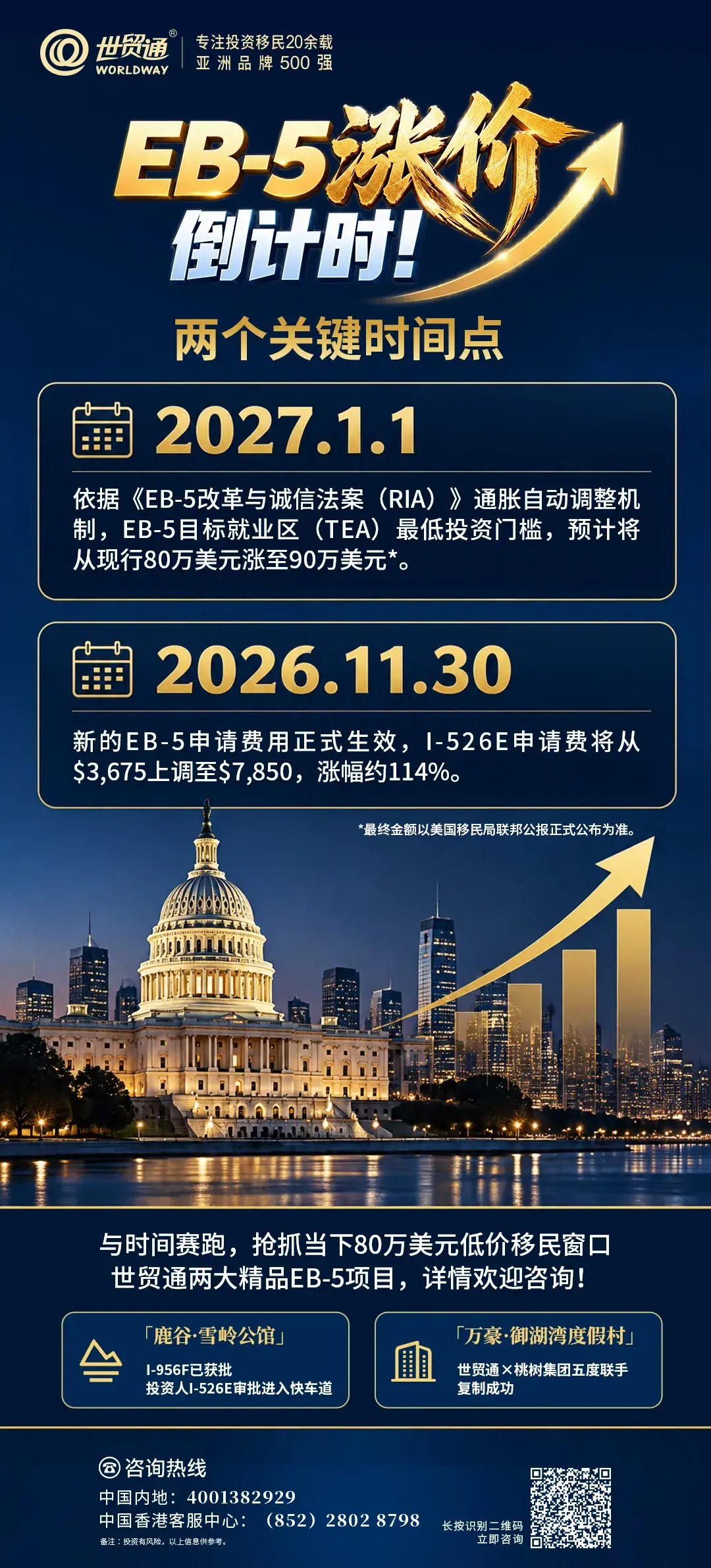
Recognized among Asia's Top 500 Brands with over 20 years of dedication to immigration services, WorldWay Group originated in Hong Kong in 1998 and maintains professional operating companies in both Hong Kong and Mainland China.
WorldWay Immigration advises that families planning to stay in the U.S. long-term should combine their personal situations to review status standing early and evaluate different application pathways to prepare for the future.
Status planning should not rely solely on a single job, one employer, or one application path.
Preparing in advance ensures you gain greater initiative when work and policy environments change.