

WorldWay · Insights into Hong Kong Residency Planning
When many families learn about Hong Kong residency, their immediate thoughts are welfare benefits, low taxation, education, or travel convenience—all of which are entirely accurate. However, regarding them merely as isolated benefits can easily lead to underestimating the true significance of this status.
WorldWay notes that the value of Hong Kong residency is essentially encapsulated in a single word——Hub: grounded in the mainland foundation, connected to global gateways.
In the course of WorldWay serving clients, many express this concern: Does acquiring Hong Kong residency mean having to leave the mainland and give up one's current lifestyle? The answer is quite the opposite.
Hong Kong residency does not require the cancellation of your mainland hukou (household registration). You can still operate businesses, maintain networks, reside, live, and contribute to social security as usual on the mainland, preserving the enterprise foundation you have built over years. The convenient border clearance and high-speed rail across the Greater Bay Area make commuting between both regions effortless.
For Entrepreneurs: Core operations, clients, and teams remain rooted in the mainland, with Hong Kong serving as a springboard for cross-border operations and global brand expansion;
For Parents: While parents continue their careers on the mainland, children can flexibly opt to study in Hong Kong, take the DSE, or enter via the Joint Entrance Examination for Overseas Chinese Students;
For Families: Your original routine remains intact, augmented by an additional strategic planning dimension.
This is precisely its essential distinction from many overseas immigration programs——there is no need to sever your roots just to secure a status.
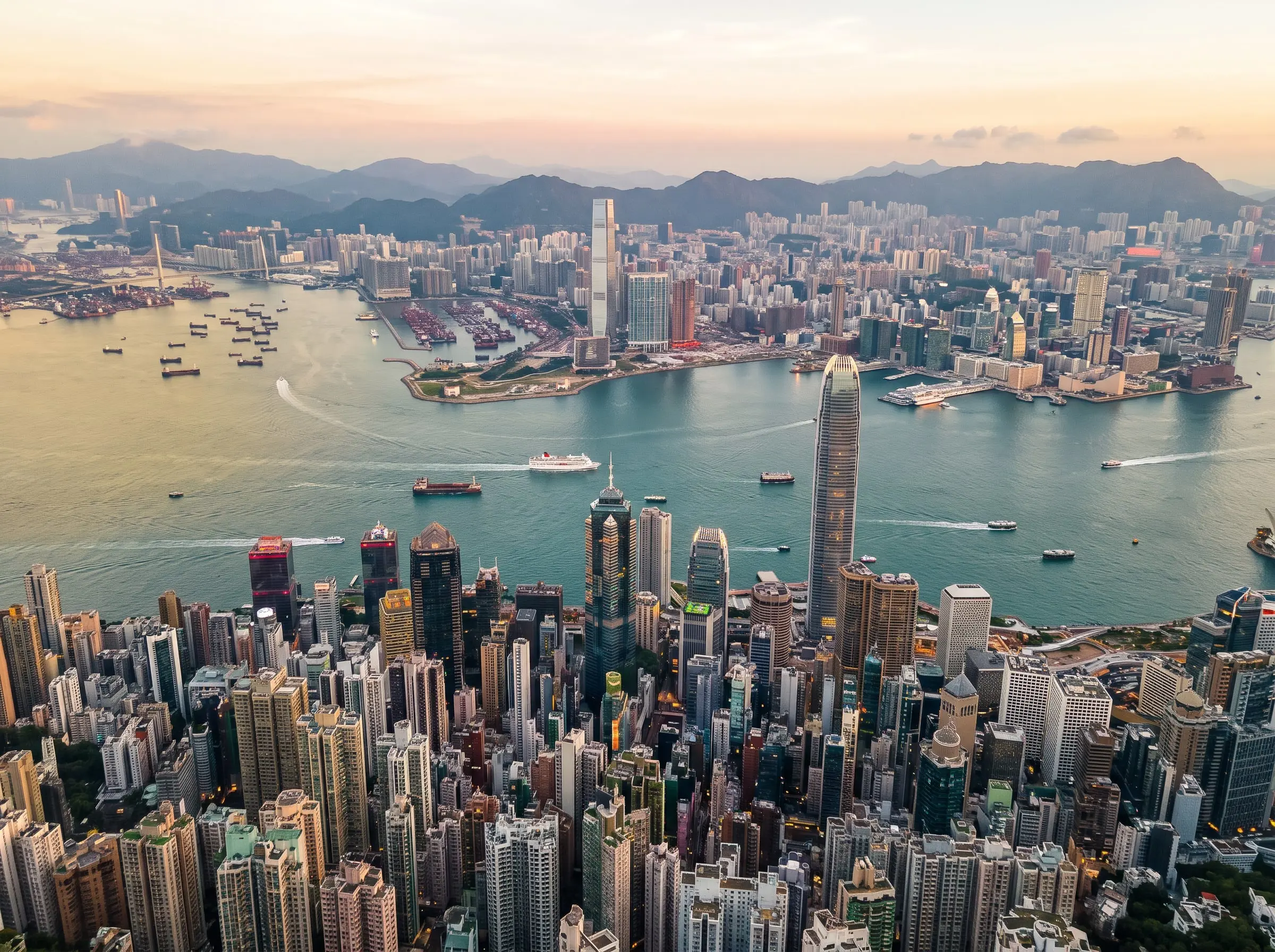
Hong Kong is an international financial, trade, and legal services hub, acting as a super-connector linking the mainland with global markets. In terms of family planning, this connectivity translates into four dimensions.
◆ Educational Dimension
Hong Kong's top eight universities, international curricula, the DSE, the Joint Entrance Examination for Overseas Chinese Students, and overseas prestigious university applications run concurrently. Children growing up in the mainland can leverage Hong Kong residency to access pathways beyond traditional mainland academic progression.
◆ Fiscal, Taxation, and Commercial Dimension
Featuring territorial taxation and a simple tax regime, Hong Kong has entered into Double Taxation Agreements with the mainland and numerous jurisdictions, making it ideal for the compliant structuring of cross-border enterprises and outbound investments.
◆ Travel Dimension
Hong Kong residency benefits from extensive visa-free / visa-on-arrival arrangements, rendering business travel, overseas study tours, and family vacations more flexible, perfectly suited for families with global travel or international visiting commitments.
◆ Asset and Family Succession Dimension
Hong Kong's well-developed infrastructure of trusts, insurance, and family offices is ideally suited for high-net-worth families undertaking asset segregation, intergenerational wealth succession, and compliant structuring of cross-border assets.
This is also why it is frequently described as "closest to the mainland, closest to the world": geographic proximity translates to lower time costs for business owners managing cross-border affairs, without disrupting family life.
While some view Hong Kong residency as merely a welfare package, the authentic rationale is: it serves as a fulcrum bridging mainland growth dividends with global standards and resources.
This positioning can be understood across three tiers:
Mainland lifestyle, business, and foundation remain undisturbed, retaining all existing advantages;
Leverage Hong Kong residency to connect with international education, financial systems, and global mobility;
To advance, pursue an internationalized route; to consolidate, continue cultivating the mainland—navigating forward or backward with ease.
It is remarkably well-suited for these families: first, entrepreneurs or senior executives with requirements for cross-border operations, overseas investments, or international business travel; second, families who prioritize their children's education and desire additional academic pathways without relocating the entire household abroad.
Meanwhile, Hong Kong offers multiple talent pathways, catering to distinct profile groups.
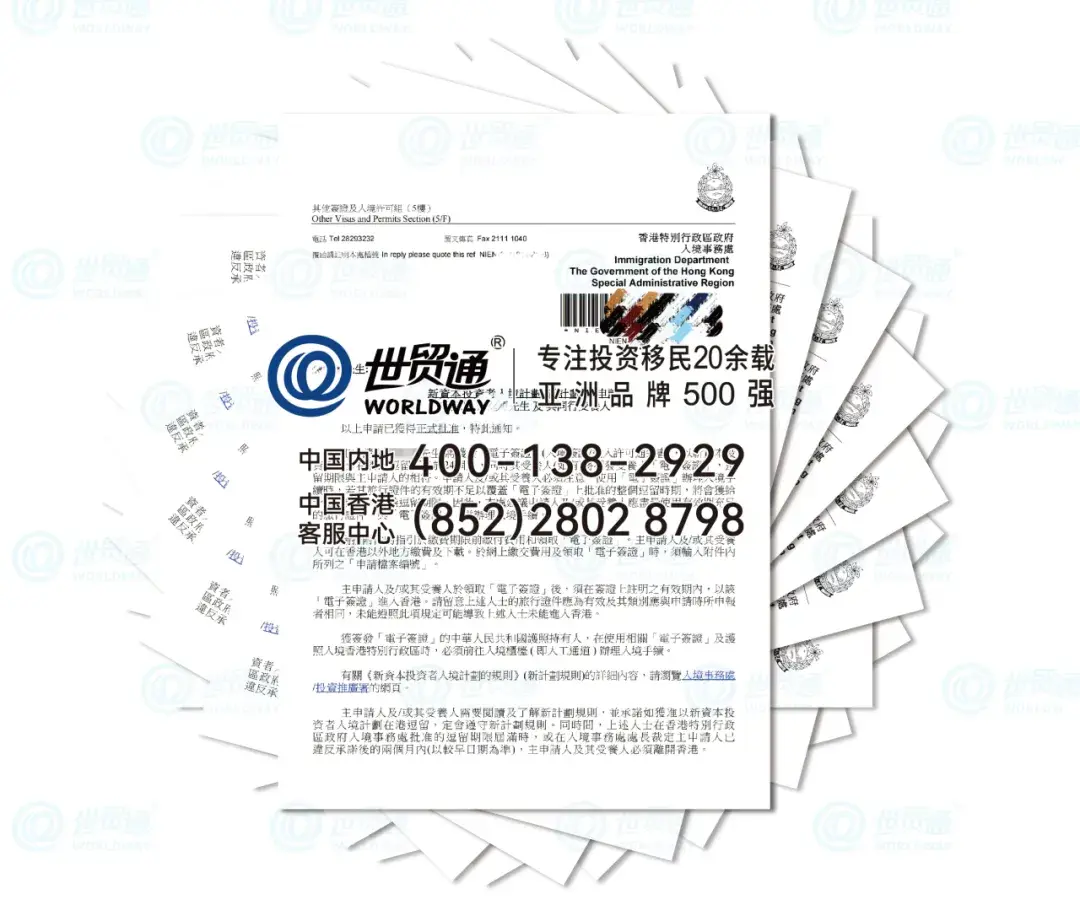
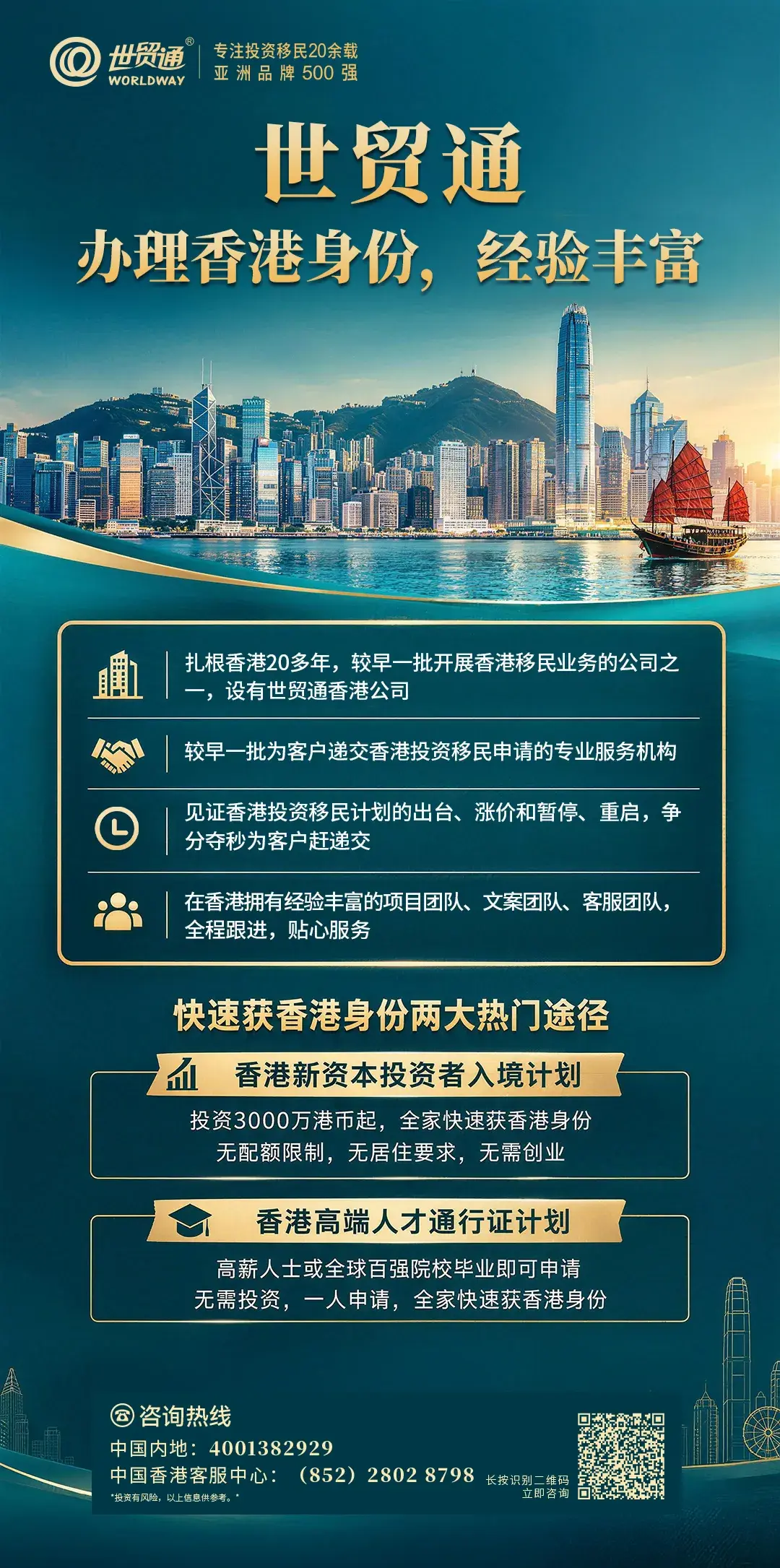
New Capital Investment Entrant Scheme
Tailored for applicants with qualified investment arrangements.
Top Talent Pass Scheme (TTPS)
Designed for high earners or graduates of prestigious universities, offering a direct route closely tied to employment in Hong Kong.
Selecting the right pathway essentially depends on whether your industry, long-term plans, timeline, and family objectives align. If you are also considering Hong Kong residency, please feel free to contact a WorldWay consultant or client advisor for an evaluation, and we will provide tailored pathway recommendations based on your specific profile.
Conclusion · To Those Currently Planning
Sound residency planning preserves your foundation while expanding your horizons
Against the backdrop of globalization and Greater Bay Area integration, Hong Kong's strategic role is to stand backed by the mainland and connected to the world. For families, this translates to: anchoring in the mainland without sacrificing accumulated achievements, while bridging through Hong Kong to connect with the world. In essence, a Hong Kong residency grants your family an additional strategic option, ideal for those seeking prudent planning for the next generation's education and corporate cross-border growth. The crux of planning has never been the status itself, but the future possibilities you wish to secure for your family.