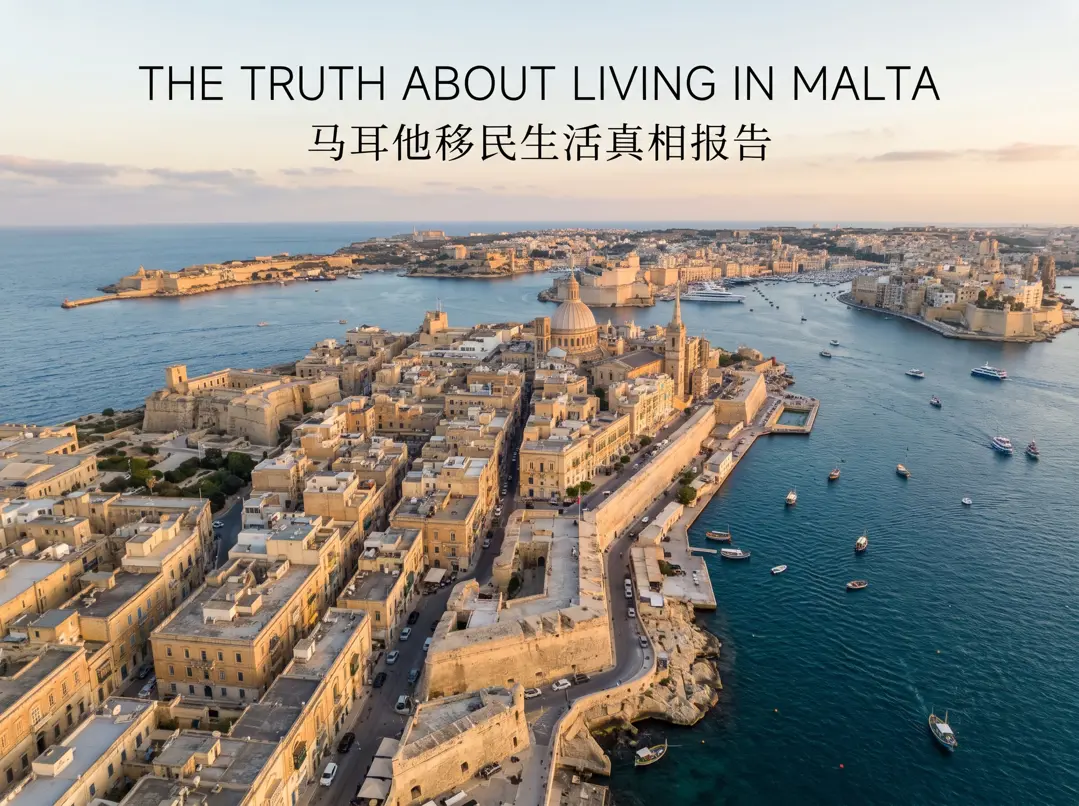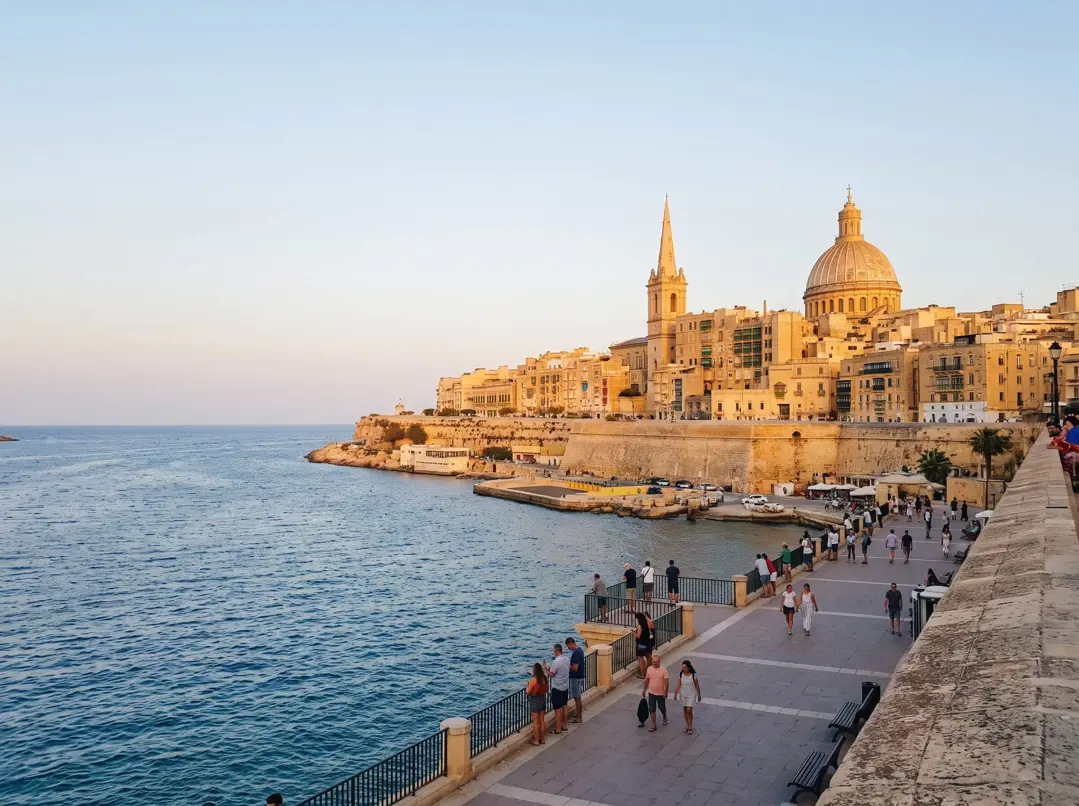



In Europe, there is a compact Mediterranean island nation.
It is an EU member state, a Schengen country, a Eurozone nation, and a member of the Commonwealth, with English as one of its official languages.
This country is Malta.
In recent years, as more and more families begin to focus on European living, children's education, and long-term residency arrangements, Malta has gradually entered the vision of more international families. It is also a key European residency planning destination that WorldWay has long focused on and served.
Let us first look at Malta's economic performance.
The European Commission forecasts that, building on economic growth of 4.0% in 2025, Malta's real GDP is expected to grow by 3.7% in 2026 and by 3.6% in 2027.
Latest data released by the National Statistics Office of Malta shows that in Q2 2026, GDP grew by 4.5% year-on-year in real terms, indicating sustained economic growth.
Tourism has long been an important component of Malta's economy, but the local economic structure has now become more diversified. Financial services, professional services, information technology, and other service sectors have also become vital pillars of the local economy.
For a European country with a modest population and land area, sustained economic growth and a relatively stable labor market provide strong support for its long-term development.
Data from the National Statistics Office of Malta shows that in Q1 2026, the Residential Property Price Index rose by 6.7% year-on-year and 1.8% quarter-on-quarter. Apartment prices increased by 6.9% year-on-year.
Real estate transactions also remained active. In August 2026, Malta registered a total of 1,367 final deeds of sale for residential property, an increase of 33.8% compared to the same period in 2025; promise of sale agreements registered during the same period reached 1,241, up 18.3% year-on-year.
Based on these figures, Malta's real estate market and residential demand continue to exhibit strong activity.

As a popular Mediterranean destination, Malta's international appeal is also evident from its tourism data.
In the first seven months of 2026, Malta welcomed approximately 2.62 million international tourists, a year-on-year increase of 18.6%; total expenditure by international tourists reached approximately €2.334 billion, up 15.8% year-on-year.
In July 2026 alone, the number of international tourists reached nearly 490,000, representing a 20.8% year-on-year increase.
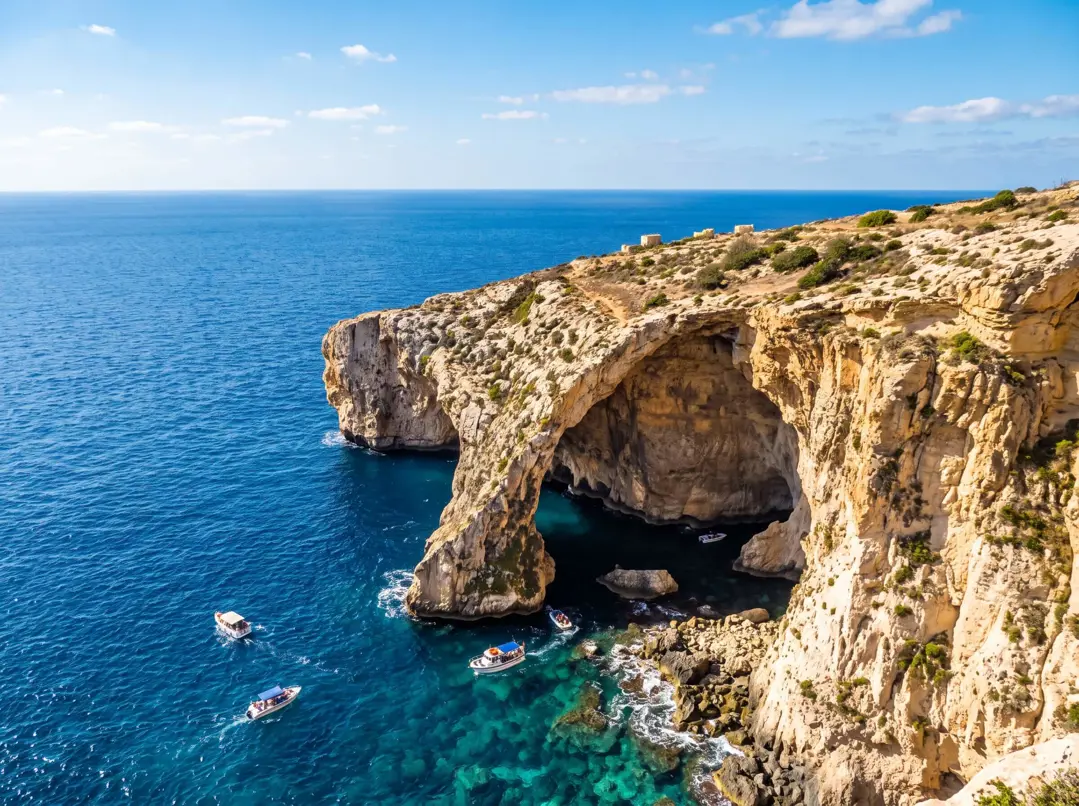
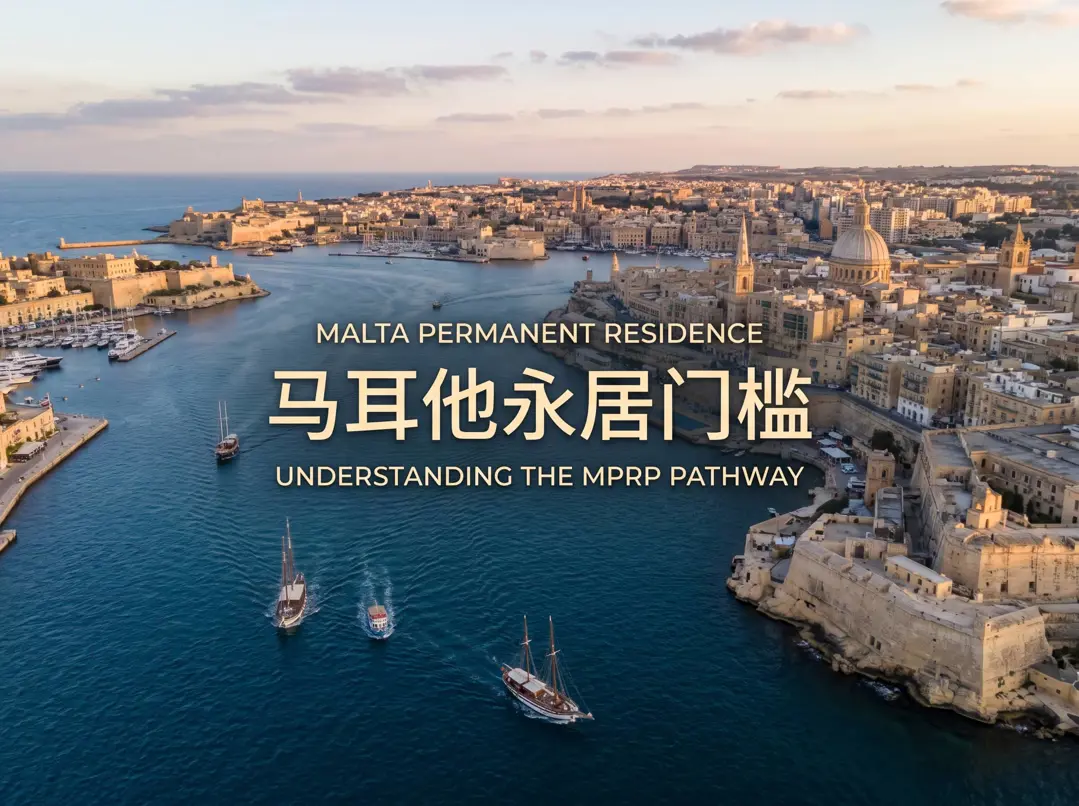
The coastlines, harbors, historic cities, and Mediterranean climate have always defined Malta's most distinct urban and lifestyle identity.
According to Malta's official tourism website, the country enjoys an average of about 3,000 hours of sunshine per year and boasts several UNESCO World Heritage Sites, including Valletta.
Consequently, Malta is attracting not only short-term tourists, but also individuals and families looking to live, work, or establish a second home in Europe.
Another distinct aspect of Malta is its multiple international institutional affiliations.
Malta joined the EU in 2004, entered the Schengen Area in 2007, adopted the Euro in 2008, and is also a member of the Commonwealth of Nations.
This means that, although Malta is a Mediterranean island country, it maintains close ties with the living, travel, business, and educational systems of Europe as a whole.
At the same time, both English and Maltese are official languages, with English being widely used in daily life and educational settings.
The country offers public schools, church schools, and private schools, with many private and international educational institutions offering instruction in English. For families with education needs for their children, this linguistic and academic environment facilitates a smoother transition for future study and life in Malta.
For families considering long-term plans in Europe, after understanding a country's living environment, the next step is often evaluating how to secure a stable and long-term residency status.
The Malta Permanent Residence Programme has consequently become a key consideration for many families. Qualifying main applicants can apply together with their family members, allowing four generations to secure permanent residency status in Malta through a single investment.
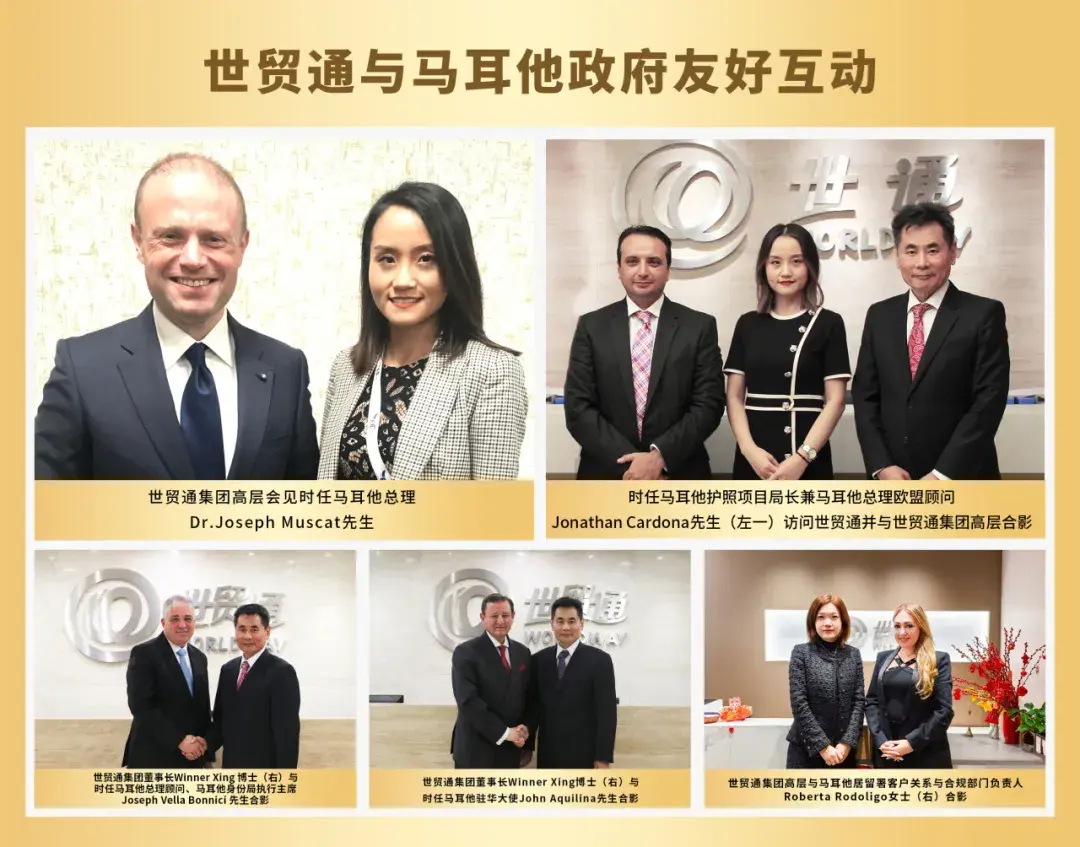
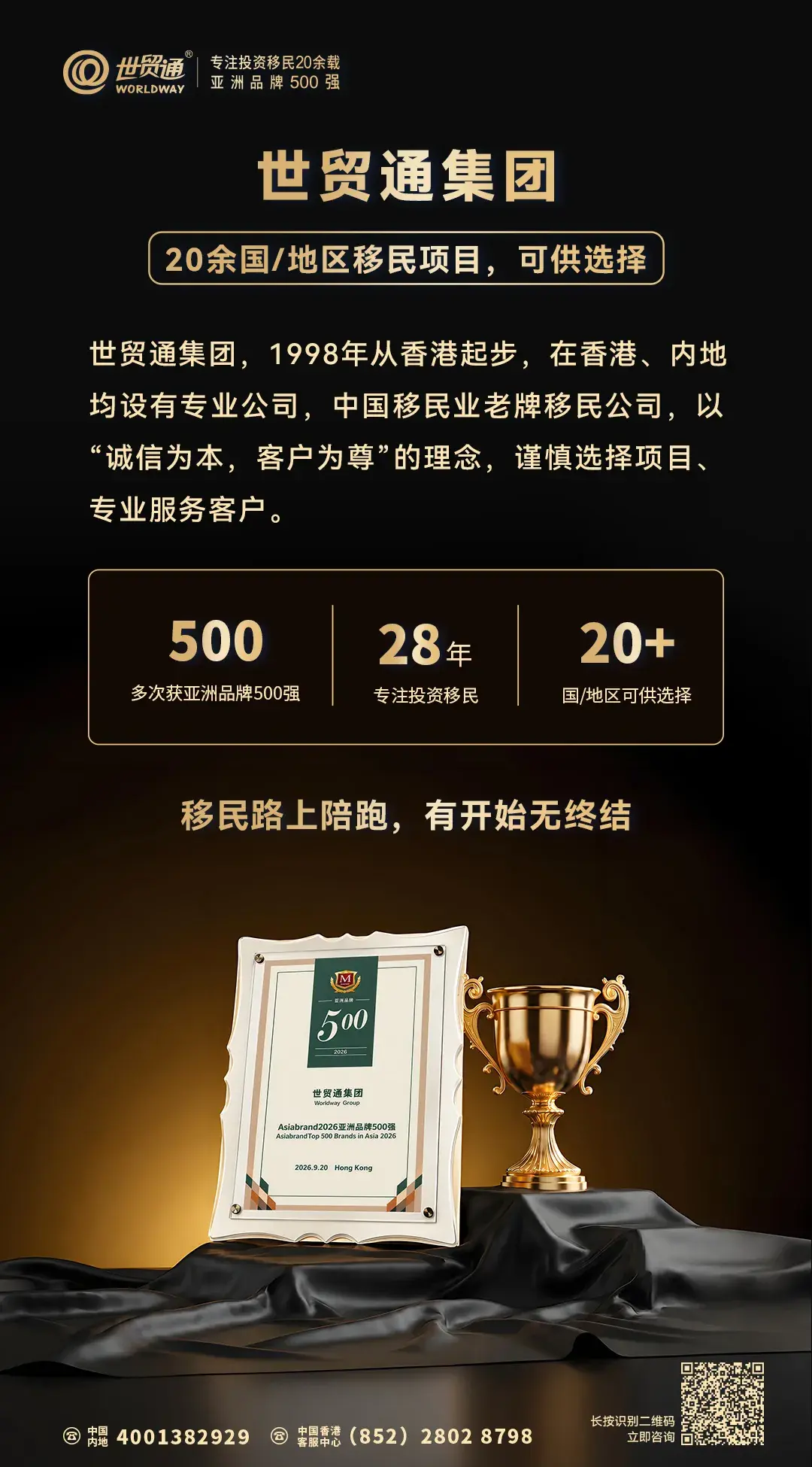
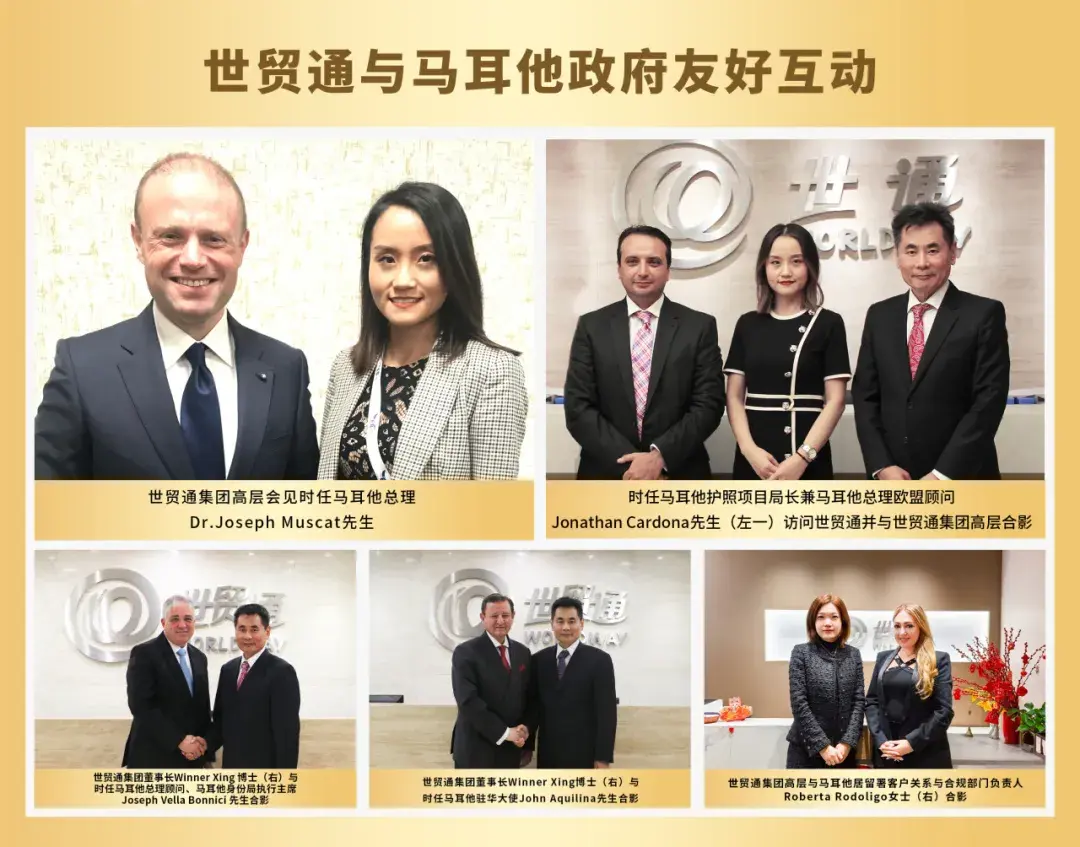
Recognized among Asia's Top 500 Brands and dedicated to immigration services for over 20 years, WorldWay Group originated in Hong Kong in 1998 and currently operates professional entities in both Hong Kong and Mainland China. Over the years, WorldWay has continuously tracked developments in Maltese immigration policy. Tailoring to different families' needs in children's education, overseas living, and long-term residency planning, WorldWay provides Malta permanent residence project consultations, profile evaluations, and application services.