


For many families who obtain U.S. status through EB-5 , obtaining a Permanent Resident Card (Green Card) marks an important milestone in their immigration journey.
As your new life unfolds, immigration status, employment, taxation, education, healthcare, retirement, and asset allocation will also become key components of your family's long-term planning.
Drawing upon years of professional experience in U.S. immigration services, WorldWay Immigration outlines life arrangements following Green Card acquisition across eight core dimensions closely tied to long-term living.

Table of Contents
From Legal Status to Assets: 8 Key Dimensions Explained
01
PART
Status: Green Cards Require Ongoing Maintenance
IDENTITY · Green Card Maintenance
Investors who obtain status through EB-5 typically receive a two-year conditional Green Card initially. Afterwards, they must apply to remove conditions in accordance with regulations to maintain permanent resident status.
At the same time, day-to-day residency arrangements are also related to maintaining status. In principle, permanent residents should make the United States their primary place of residence. If traveling frequently between the United States and other countries, residence schedules and travel itineraries must be properly managed.
If considering naturalization in the future, further attention must be paid to requirements regarding continuous residence and physical presence.
02
PART
Employment: Greater Career Flexibility
CAREER · Career Flexibility
After obtaining a Green Card, employment arrangements generally no longer depend on a specific employer for status sponsorship.
Permanent residents may change jobs, switch industries, launch a business, or operate an enterprise based on their personal circumstances.
For those who previously held work visas, this means career choices become much more flexible, allowing decisions to be guided more by personal growth, family needs, and long-term plans.
Certain professional positions still require relevant occupational qualifications or licenses, primarily depending on specific industry requirements.
03
PART
Taxation: Focus shifts to Worldwide Income
TAX · Worldwide Income
Upon becoming a U.S. tax resident, your tax perspective undergoes a fundamental shift.
Beyond U.S.-sourced income, overseas salary, rental income, bank interest, stock and fund capital gains, and foreign business-related earnings may also need to be included in U.S. tax reporting.
If you hold foreign bank accounts, securities accounts, or other financial assets overseas, corresponding information reporting requirements may also apply.
Therefore, for families with significant cross-border income and assets, reviewing income sources and asset structures in advance helps facilitate tax planning.
04
PART
Retirement: Benefits Require Gradual Accumulation
RETIREMENT · Benefit Accumulation
U.S. retirement benefits are closely linked to an individual's employment and tax payment record. Working and paying applicable taxes in the United States allows individuals to gradually build eligibility for retirement benefits.
Generally, qualifying for basic retirement benefits requires accumulating 40 work credits, roughly equivalent to ten years of qualifying employment. However, the specific payout amount also depends on an individual's long-term earnings record.

05
PART
Education: Understand In-State Tuition Rules Ahead
EDUCATION · In-State Tuition
For families with children, residency location and educational planning are closely linked.
During K-12 primary and secondary education, families meeting local residency criteria can generally enroll their children in public school systems following school district rules.
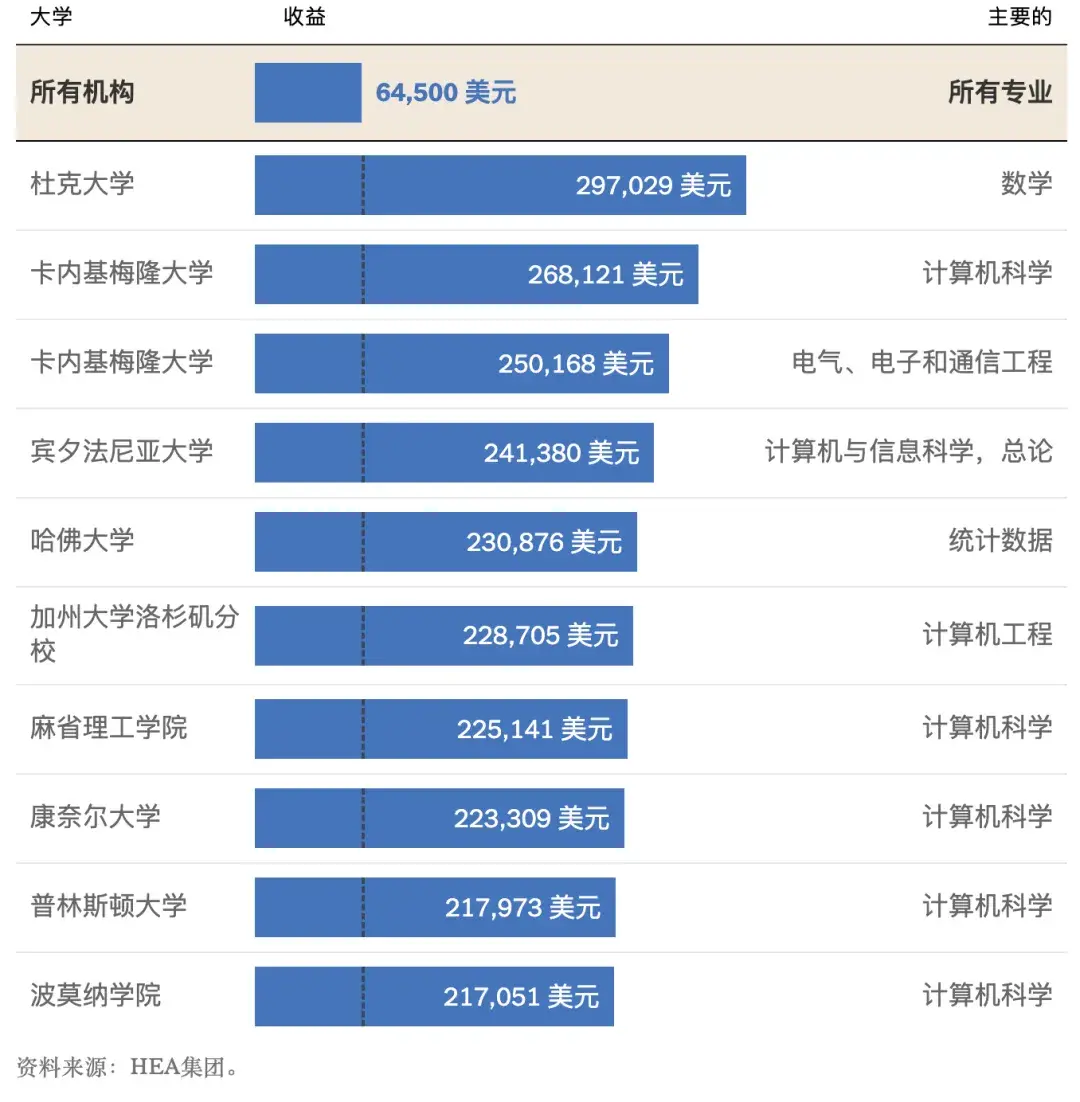
At the university level, many public universities distinguish between in-state and out-of-state students, and tuition rates may vary significantly.
Permanent resident status serves as a key criterion in residency determination, but whether in-state tuition applies depends on state regulations, specific institutions, and actual physical residency.
Eligible permanent residents may also qualify to apply for certain federal student financial aid programs.
06
PART
Healthcare: Arrange Insurance Coverage in Advance
HEALTH · Insurance Planning
When living long-term in the U.S., securing health insurance is a critical component of family planning.
Common options include employer-sponsored health plans, coverage purchased through health insurance marketplaces, private individual insurance, or utilizing Medicare/public healthcare programs upon meeting eligibility criteria.
Since options differ in premiums, coverage scope, and eligibility, selections should align with family members' ages, income, employment status, and medical needs.
07
PART
Finance & Assets: Build a U.S. Financial Foundation Step by Step
FINANCE · Financial Foundation
Long-term living in the U.S. generally requires progressively establishing your financial footprint.
For example: opening bank accounts, applying for credit cards, building credit history, opening investment accounts, and applying for residential mortgages.
When offering loans or financial services, financial institutions typically evaluate income, credit scores, employment stability, and existing liabilities.
Families holding both U.S. and overseas assets can gradually approach asset management and allocation from a holistic perspective.
This helps ensure better coordination of multi-jurisdictional assets, facilitating subsequent tax strategy and estate planning.
08
PART
Legal & Civil Rights: Understand Key Distinctions in Status
RIGHTS · Status Distinctions
Permanent residents are protected by federal and state laws in the United States, enjoying rights such as property ownership and due process protections.
However, clear distinctions exist between permanent residents and U.S. citizens regarding specific rights and participation in public affairs. For example, voting in federal elections and holding certain government positions are typically reserved for citizens.

///
LAST
From Green Card Living to Long-Term Settlement
IDENTITY · Long-Term Integration
Employment, education, taxation, healthcare, retirement, and asset allocation may seem like distinct issues, yet they share a common foundation: a stable, long-term legal status.
For families planning long-term residency in the U.S., there are multiple pathways to achieving permanent resident status, with EB-5 being a key avenue.
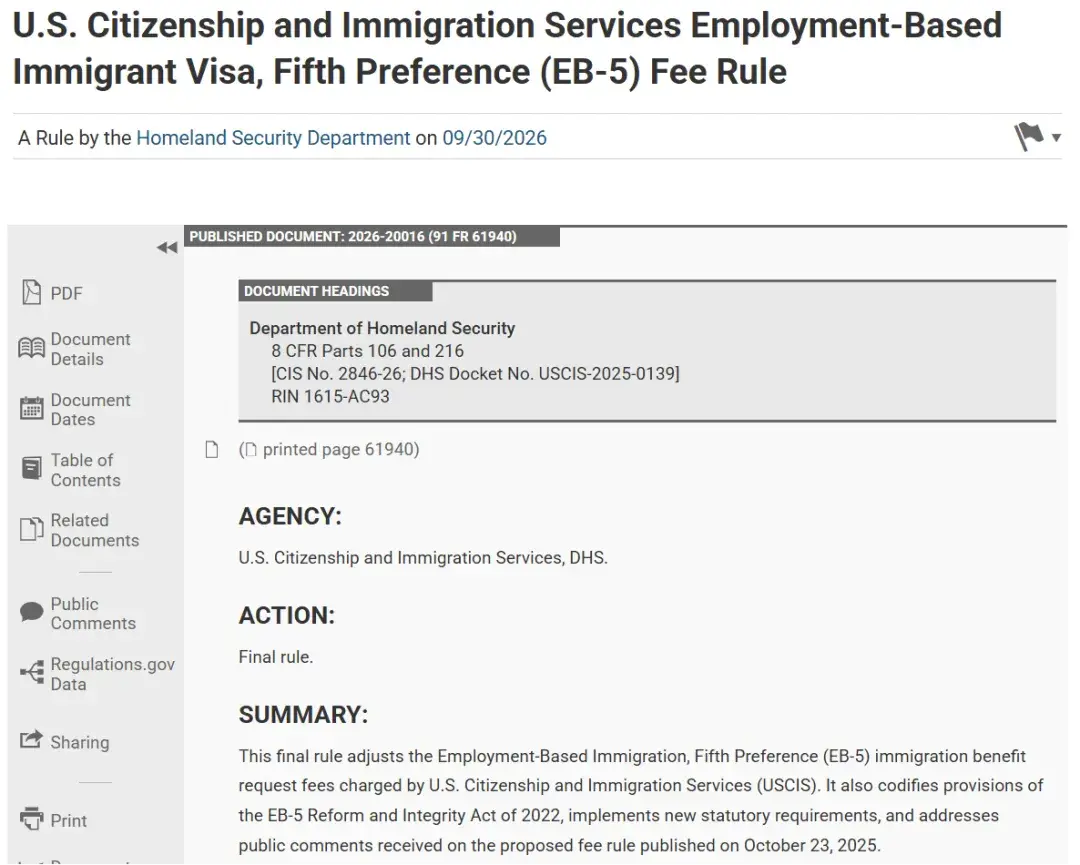
The EB-5 program provides eligible investors and their family members a path to permanent residency through qualifying investment and job creation.
However, for many families, obtaining status is not the end of the journey. From arriving in the U.S. to arranging housing, children's education, taxation, assets, and family life, ensuring your immigration status seamlessly aligns with your future lifestyle warrants proactive planning.
Recognized among Asia's Top 500 Brands with over two decades of dedicated service in immigration, WorldWay Group originated in Hong Kong in 1998 and operates professional entities across Hong Kong and Mainland China. Over the years, WorldWay has specialized in U.S. immigration services, offering comprehensive EB-5 planning and application support for diverse families.
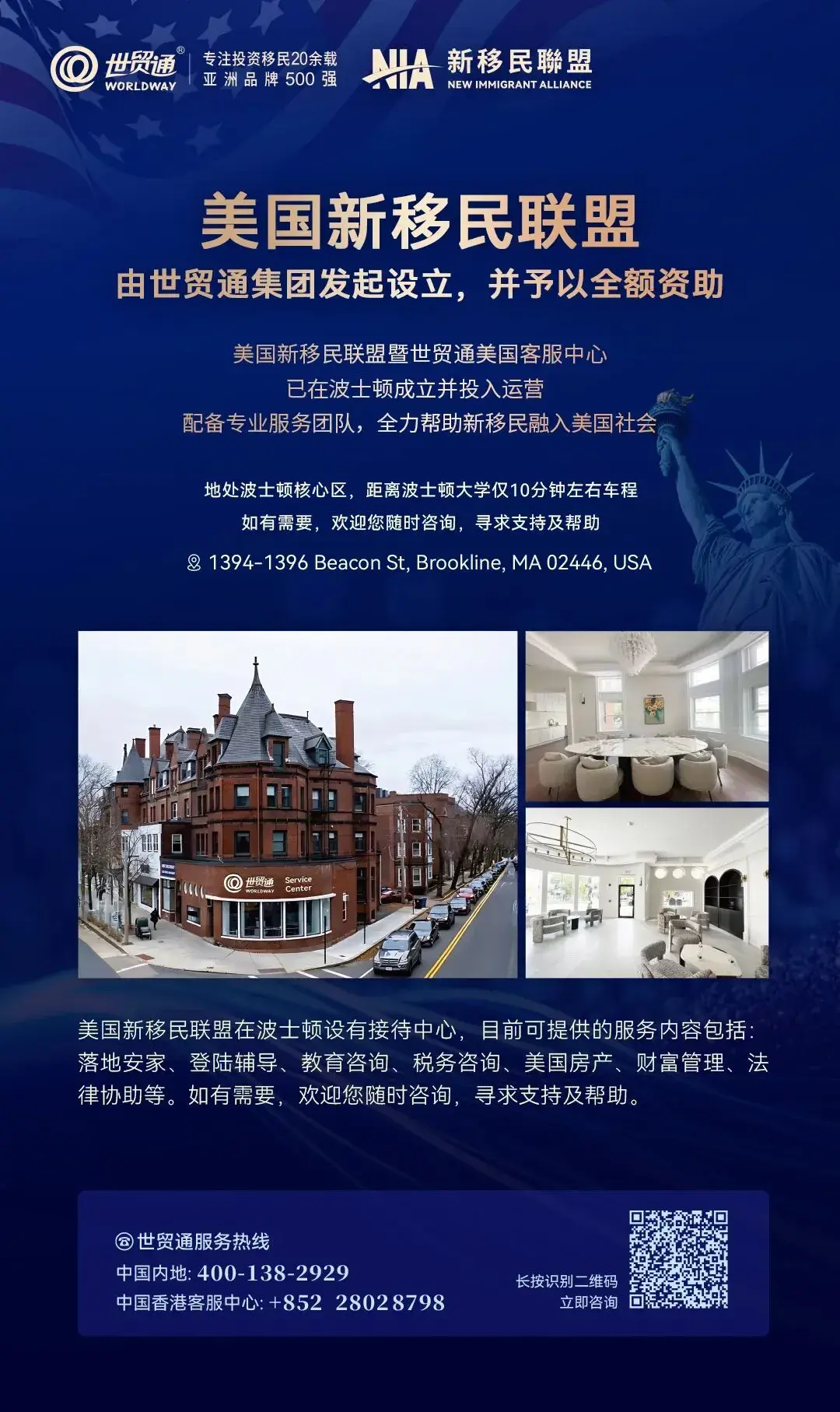
Through long-term service delivery, WorldWay also recognizes the practical needs of newly arrived immigrant families regarding settlement, education, and life integration. To this end, WorldWay Group initiated and fully funded the American New Immigrants Alliance, extending its suite of services to provide post-landing living support and long-term planning in the United States.