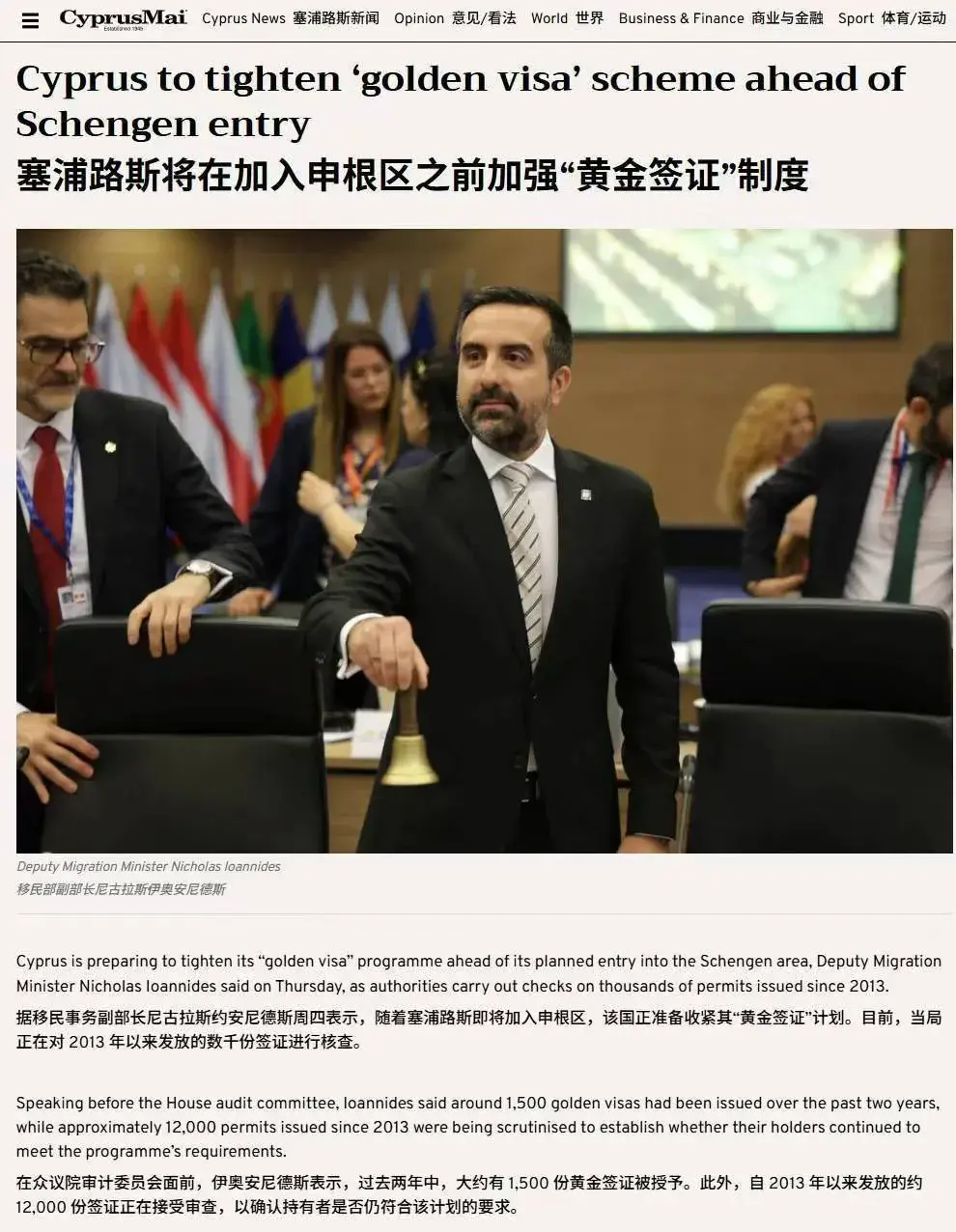




Cyprus's process of joining the Schengen Area continues to move forward. The European Commission's 2026 State of Schengen Report also pointed out that Cyprus has made substantive progress in its Schengen preparation work in recent years.
For many families paying attention to living in Europe and residency planning, what changes Cyprus will experience if it officially joins Schengen in the future are worthy of further attention.
Please take a look below with WorldWay Group.

Overview
Joining Schengen: 5 Major Changes for Cyprus
01
PART
European Travel Will Become More Convenient
TRAVEL · Travel Convenience
One of the most intuitive characteristics of the Schengen Area is that internal border controls on persons are in principle abolished between member states, creating a more unified system for cross-border movement of people and short-term visas.
Currently, the Schengen Area consists of 29 countries, including major European nations such as France, Germany, Italy, Spain, Portugal, and Greece, covering 25 EU member states and 4 non-EU countries.
If Cyprus fully joins Schengen in the future, the movement of people between Cyprus and other Schengen countries will be further integrated into a unified Schengen framework.
For individuals who meet the relevant entry and stay conditions, traveling to other Schengen countries for short-term activities such as tourism, visiting relatives, or business is expected to offer smoother overall travel connections.
For families who frequently travel to and from Europe, enhanced travel convenience within Europe will be one of the most direct changes after Cyprus joins Schengen.
02
PART
Connections with Other European Countries Will Become Closer
CONNECTION · European Connection
Cyprus is located in the Eastern Mediterranean, positioned between Europe, the Middle East, and North Africa, possessing a unique geographical advantage.
Tourism, shipping, finance, professional services, and international commerce are also vital components of the local economy.
If it joins Schengen in the future and cross-border movement becomes more convenient, ties between Cyprus and other European markets are expected to be further strengthened.
For an island nation with a high degree of internationalization and a large service sector, this change will not only involve tourism, but will also further influence multiple aspects such as business exchanges, international talent mobility, and cross-border services. From a long-term perspective, connections between Cyprus and other European markets are also expected to deepen further.
03
PART
Attractiveness for Long-Term Living is Expected to Increase Further
LIFESTYLE · Long-Term Living
Many families pay attention to Cyprus not merely because of a residency status.
Cyprus joined the EU in 2004 and joined the Eurozone in 2008, deeply integrating into the European economic and living systems.
At the same time, it enjoys a classic Mediterranean climate with a comfortable pace of life. Although English is not an official language, it is widely used in business, education, and daily communication.
The country has also established relatively mature systems in terms of education, healthcare, business services, and international lifestyle amenities.
If it joins Schengen in the future, these existing features of Cyprus will be further combined: EU Member State + Eurozone Member + Mediterranean Lifestyle + Internationalized Environment + Schengen Travel Convenience.
For families considering a second home, children's education, retirement, and long-term living arrangements in Europe, the appeal brought by this combination is also likely to grow stronger.
Especially for families hoping to secure a relatively stable long-term residence in Europe while accommodating cross-border travel needs, interest in Cyprus is expected to continue rising.
04
PART
The Tourism Market May Experience Renewed Attention
TOURISM · Tourism Interest
Cyprus itself is a renowned Mediterranean tourist destination.
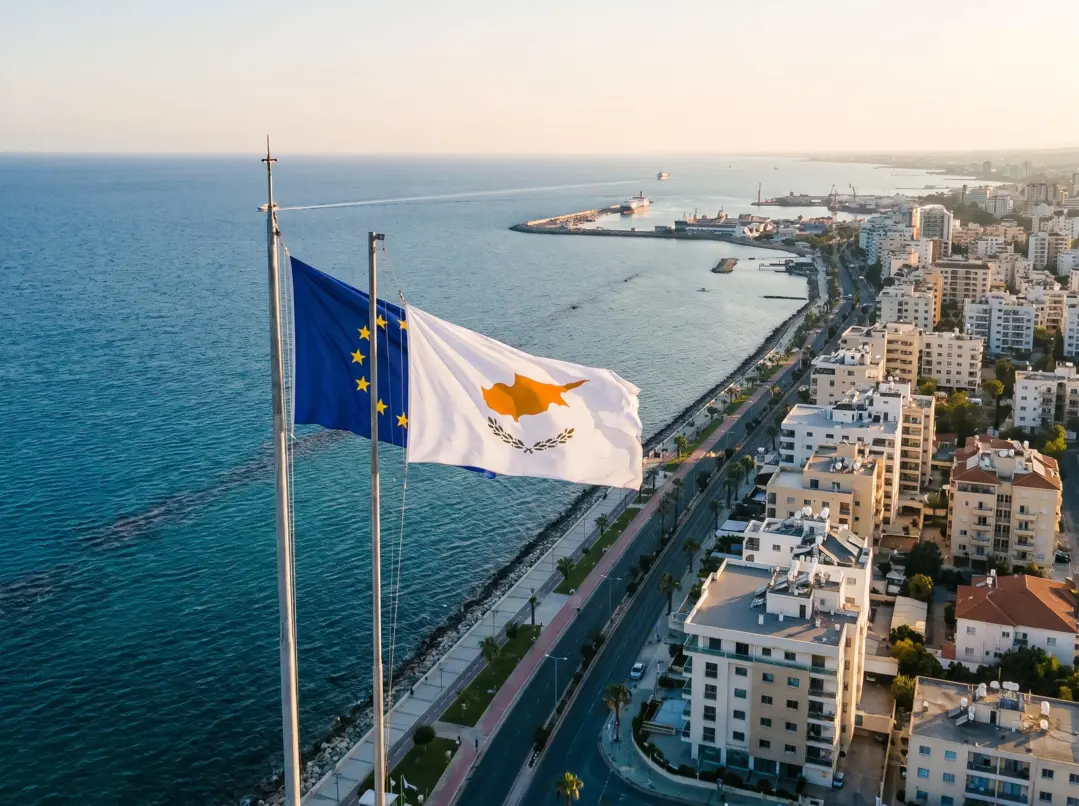
Its coastlines, resort cities, history, culture, and warm climate attract a large number of international tourists each year. Cities like Limassol, Larnaca, and Paphos have also gathered a significant foreign resident and international population.
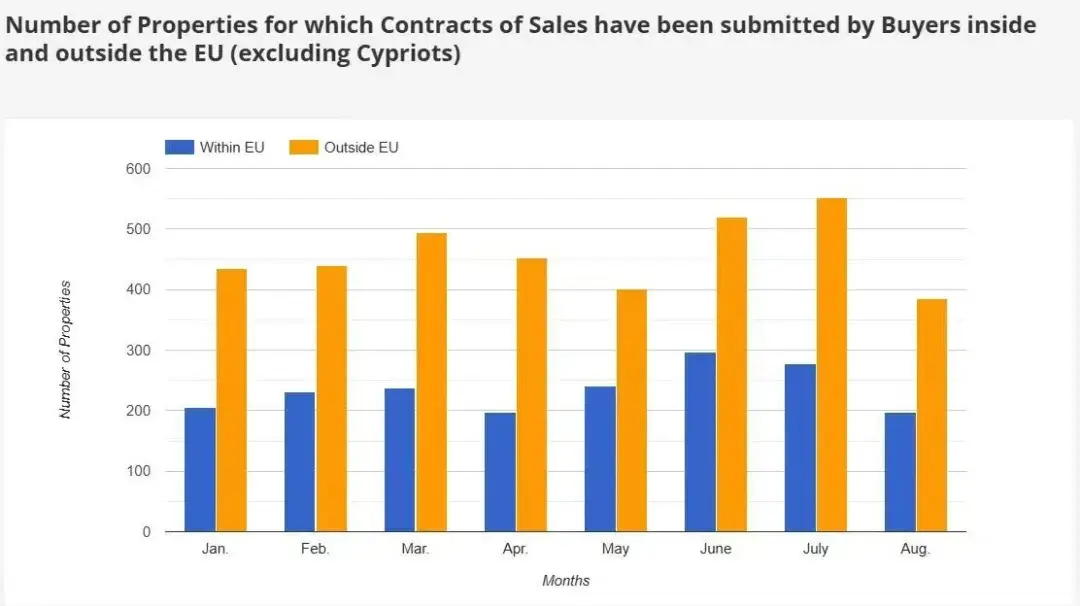
If Cyprus officially joins Schengen in the future, as travel to and from other Schengen countries becomes more convenient, its visibility as a tourist destination, resort getaway, and second home may also be further enhanced.
For European tourists, smoother travel connections are expected to further bolster links between Cyprus and the European tourism market.
And for international families planning long-term residence, vacationing, or asset allocation, Cyprus's international exposure may also increase accordingly.
05
PART
Schengen Process also Draws Greater Attention to Cyprus Residency Status
IDENTITY · Value of Residency Status
If Cyprus officially joins Schengen in the future, its appeal in terms of European travel, international connectivity, and long-term living is expected to be further elevated.
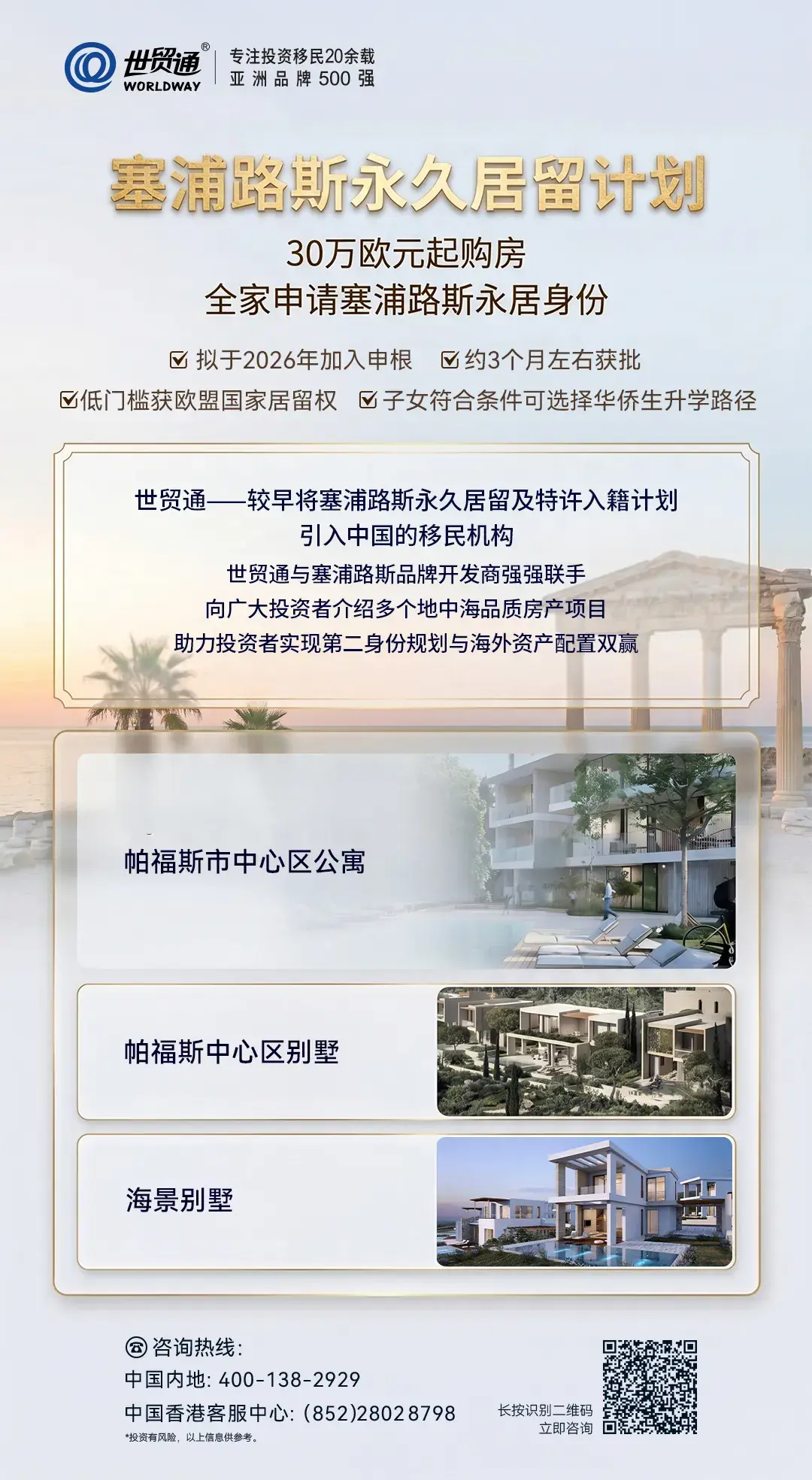
As an EU Member State and a Eurozone Country, Cyprus currently retains a permanent residency pathway for eligible third-country nationals, making it suitable for families focusing on children's education, a second residence, retirement planning, and long-term status planning. Currently, by investing starting from €300,000 in property purchase, the whole family can apply for Cyprus permanent residency status.
Recognized among Asia's Top 500 Brands and with over 20 years of focus on immigration, WorldWay Group started in Hong Kong in 1998 and currently operates professional companies across both Hong Kong and Mainland China. Over the years, WorldWay has continuously monitored Cyprus immigration policy and the Schengen progression, providing customized option assessments and application services tailored to different families' needs in children's education, European living, and long-term residency planning.