





For many individuals holding H-1B visas, international travel has long become a part of life. The visa is valid, the documents are complete, and the entry process has been experienced countless times. Theoretically, as long as the materials are complete, this should be a predictable process.
However, the gears of the system can sometimes shift without warning.

1. A Regular Return Trip: A 61-Hour Journey of an H-1B Holder
After returning to the U.S. after the Spring Festival, an H-1B holder traveling from Shanghai to New York with a layover in Detroit was stopped by two plainclothes officers before entering the customs channel, who requested to see his passport and then took him to the office of U.S. Customs and Border Protection (CBP).
No explanation was given. Luggage was searched item by item, and the phone was requested to be unlocked, with chat records, emails, and photos being scrutinized one by one. Information such as address and education was repeatedly confirmed. Subsequently, an agent from the Federal Bureau of Investigation (FBI) joined the inquiry.
The questions suddenly shifted: “Have you ever participated in voting?” The individual clearly denied it. As a non-citizen, he understood that voting is illegal and had never participated in any voting activities.
The inquiry seemed to conclude, and the passport had even been stamped. Just when everything appeared to return to normal, the CBP supervisor produced a printed page from the New Jersey state website, showing: Vote Status: Active
The air instantly became tense.
The individual was taken back to the inquiry room and was asked to register for a New Jersey voter information portal account on the spot. The supervisor's tone was stern: if any voting record was found, the visa would be revoked, and entry would be prohibited for five years.
After registration, the page showed: no voting records found. However, the outcome did not change.
Ultimately, he was told there were only two options:
• Voluntarily withdraw the entry application and cancel the visa;
• Be prohibited from entering for five years.
In this situation, the "choice" was merely a formality. The individual could only sign to withdraw.
The next morning, he was taken to the boarding gate, and the passport was handed directly to the crew. From departure to returning home, a full 61 hours passed, almost without sleep.
What is truly difficult to digest is not the process itself, but the sudden feeling of weightlessness—years of effort seemed to carry no weight in the face of institutional discretion.
2. H-1B: Legal, Yet Always “Suspended”
This incident resonates not because of its drama, but because it reveals the structural characteristics of H-1B status.
The H-1B is a work visa, not an immigration status.
Legally:
• Entry decisions are highly discretionary
• Status is tied to the employer
• Validity is limited
• Policies may change with administrative cycles
Therefore, the H-1B exists as a temporary status within the institutional structure. This is the core characteristic of a floating identity—superficially stable, structurally suspended.
3. Green Card: A Change in Structural Position
Many people only realize the difference of permanent residency after experiencing similar incidents.
A green card represents the right to reside, not just a stay permit.
It means:
• No longer tied to an employer
• Entry rights are significantly more stable
• Status is no longer based on "renewal" logic
• Legal status is recognized by the system
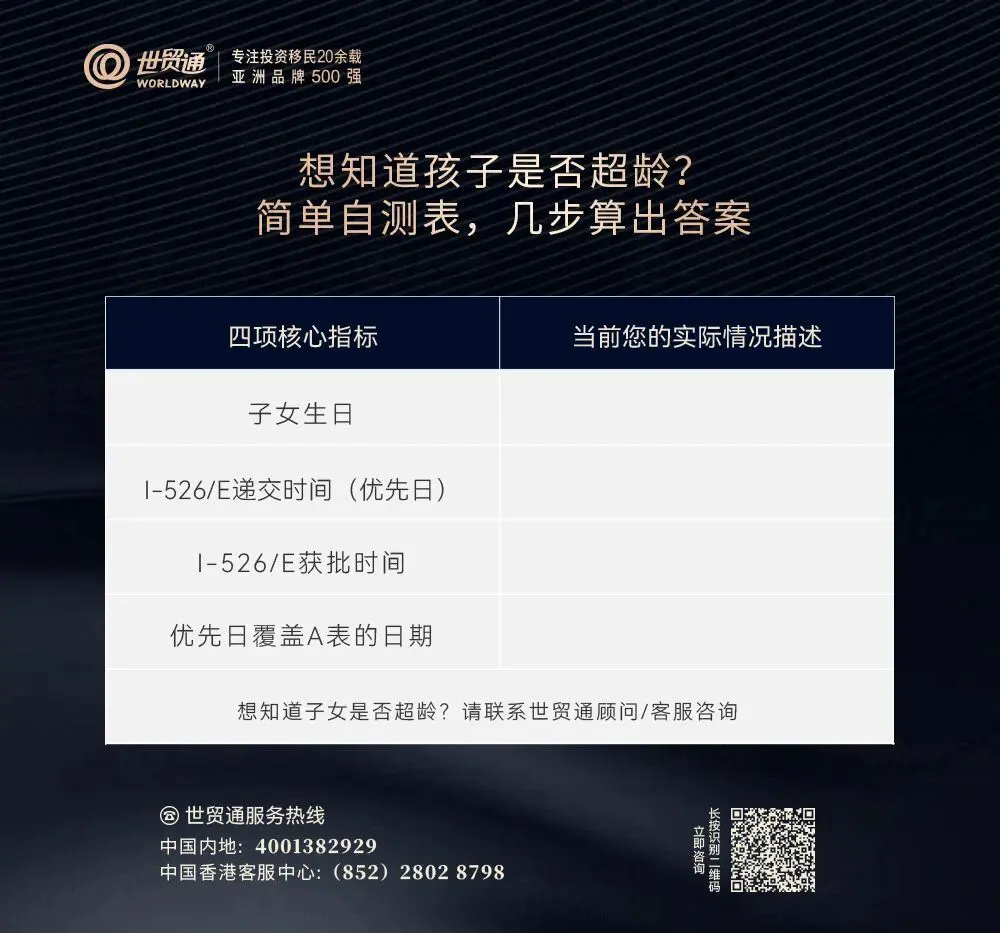
Under the current immigration system, EB-5 investment immigration is becoming a priority path for more and more families planning their status. Under the new law, applicants can conduct "dual submissions" in the U.S., meaning applicants without waiting periods can simultaneously submit I-526E/I-526 immigration applications and I-485 adjustment of status applications, and can also apply for travel permission I-131 and work permission I-765, achieving legal work and free entry and exit, enjoying the conveniences of life and work similar to a green card in advance.
4. Active Choice, Not Passive Waiting
The insights gained from those 61 hours are not an emotional complaint, but a realistic reminder:
In the land of the United States, H-1B visa holders drift like floating weeds.
Even years of hard work can be redefined by the system overnight.
Bridges may allow passage, but what truly withstands the storms is the foundation.
And status determines whether you stand on the bridge or take root in the land.
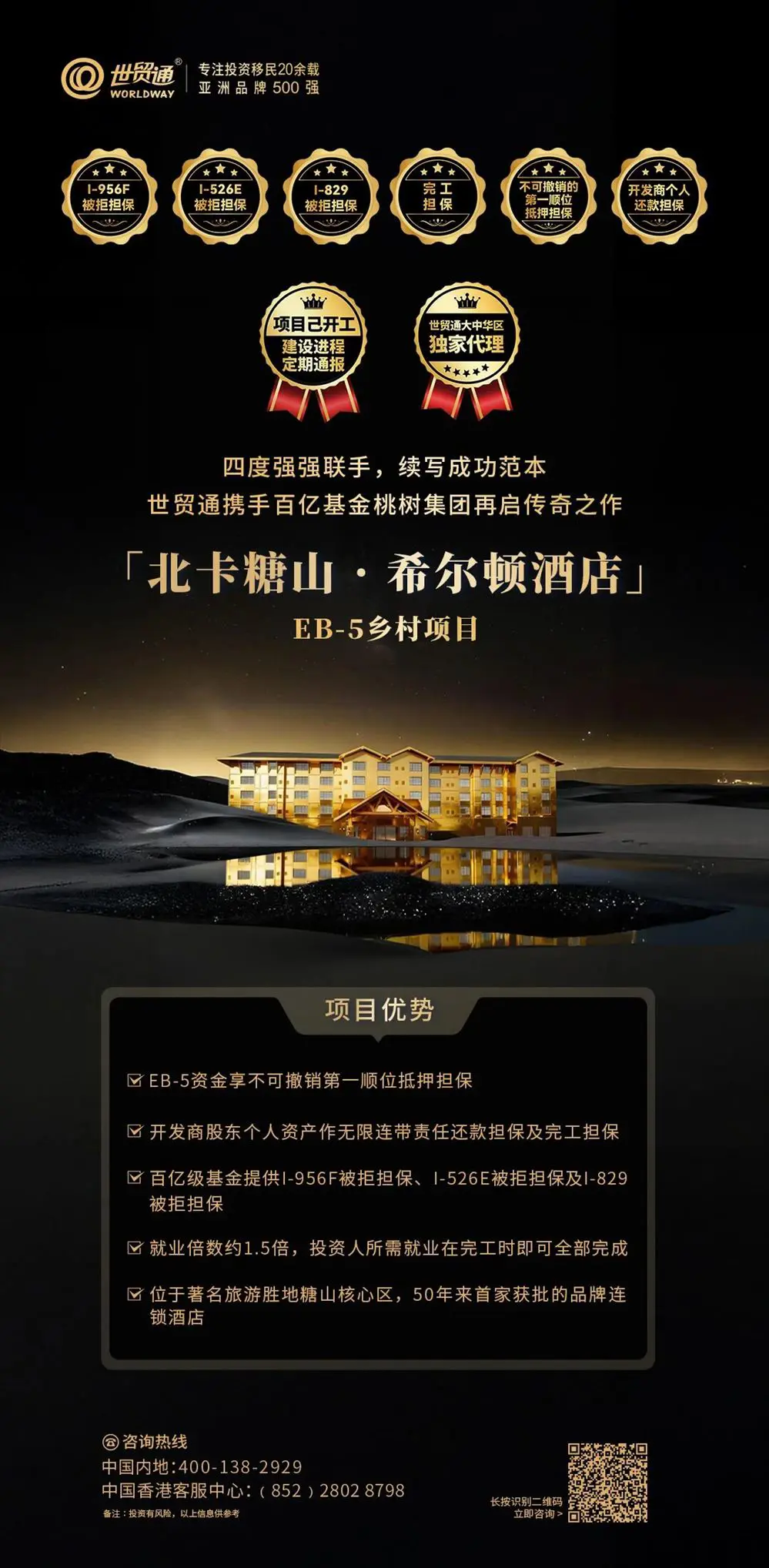
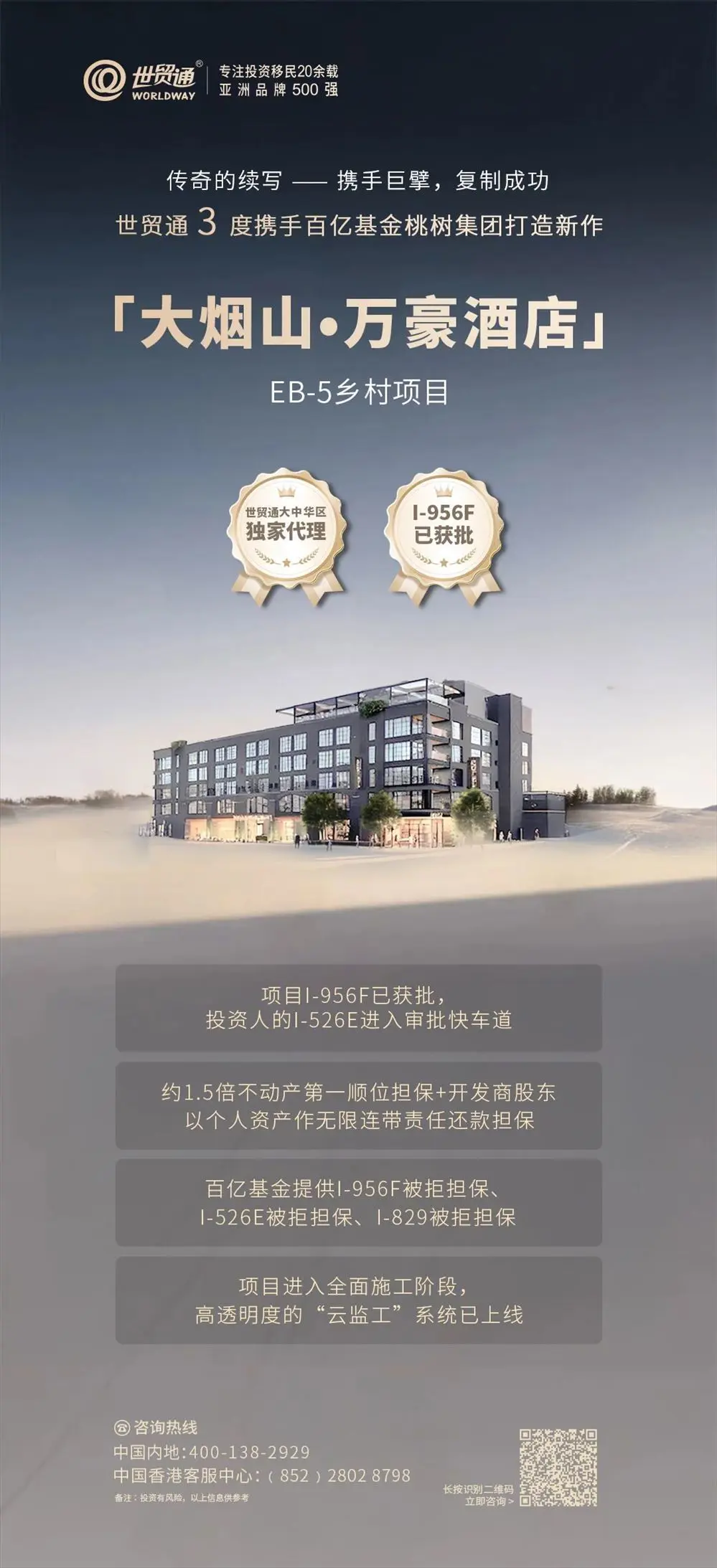
For those still "suspended" in the H-1B system, and for those intending to plan their status in the U.S., it may be more important to examine their own paths, seize window opportunities, choose quality EB-5 projects, and complete their status planning as soon as possible, rather than waiting for the next institutional fluctuation.
For inquiries in mainland China: 400-138-2929, Hong Kong customer service center: (852)2802 8798