





The U.S. Department of State's Visa Office has officially announced the immigration visa bulletin for the fifth month of the 2026 fiscal year (February 2026). Let's take a look with the WorldWay Group.
The latest results show:
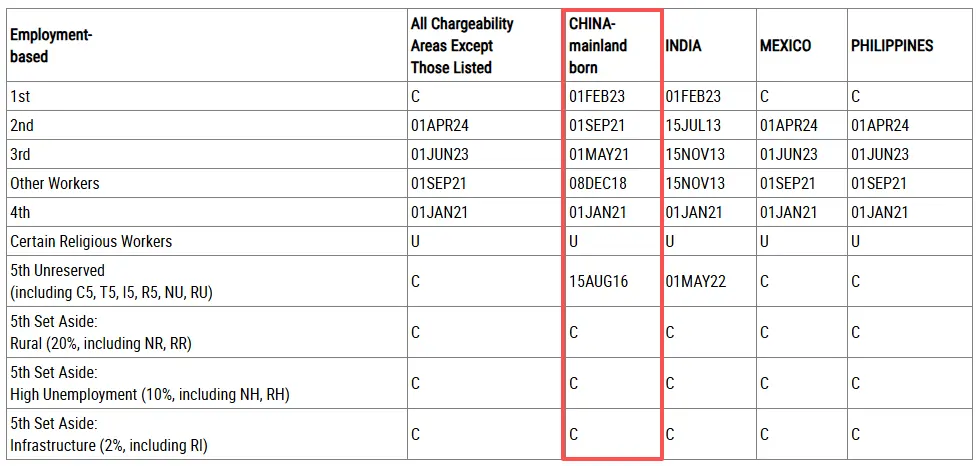
• A Table remains unchanged, with the direct investment categories C5 and T5 consistent with the non-reserved visa categories I5 and R5 of regional center projects, maintaining the date of August 15, 2016;
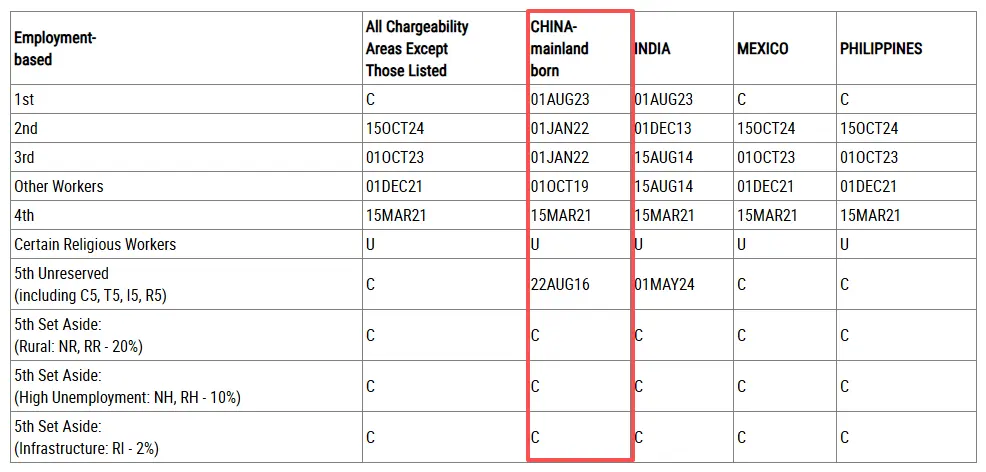
• B Table remains unchanged, with the direct investment categories C5 and T5 consistent with the non-reserved visa categories I5 and R5 of regional center projects, maintaining the date of August 22, 2016;
• Under the new law, the reserved categories for EB-5 visas (20% for rural area project reserved visas, 10% for high unemployment area project reserved visas, and 2% for infrastructure project reserved visas) continue to have no waitlist status.
A Table: Final Action Dates For Employment-Based Preference Cases
(Note: Entering the U.S. consulate interview process)
B Table: Dates For Filing Of Employment-Based Visa Applications
(Note: Legally residing in the U.S. and meeting relevant conditions, submitting AOS application to the immigration bureau)

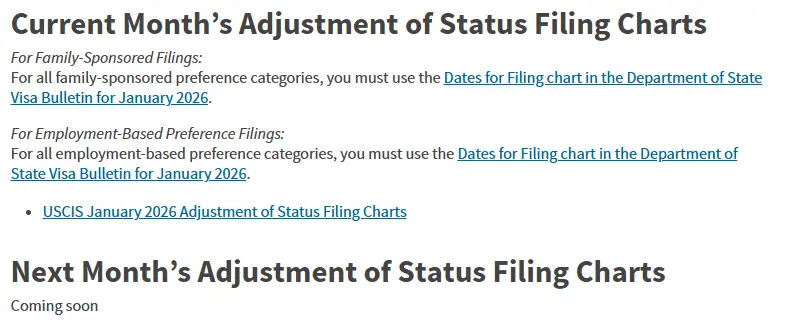
Additionally, the B Table for February 2026 has not yet announced whether it will be open, still pending.

No Waitlist under the New Law ≠ Unlimited
Reserved visas are being rapidly consumed
According to the latest published visa bulletin for February 2026, the reserved category for EB-5 visas for investors born in mainland China still has no waitlist status.
However, it is important to note that as the number of applicants continues to increase, the reserved visa quota may also face pressure. Once a waitlist occurs, the current advantage of "dual submission" will no longer exist, and the application pace and waiting time will fundamentally change.

Currently, it is a "policy, waitlist, efficiency"
Overlapping golden period
The WorldWay Group reminds that the precious immigration window is fleeting, and the competition for reserved visa quotas has entered a critical stage. Now is the golden opportunity to take the EB-5 new policy no waitlist "express train".
• The advantage of "dual submission" still exists, and seizing time is particularly crucial: After the implementation of the new U.S. EB-5 investment immigration policy, applicants can conduct "dual submission" in the U.S., meaning that applicants without a waitlist can simultaneously submit the I-526E immigration application and the I-485 adjustment of status application, and can also simultaneously apply for travel permission I-131 and work permission I-765, which is the "small green card", achieving legal work and free entry and exit, enjoying the convenience of life and work similar to a green card in advance.
• The grandfather rule is on a countdown, with a clear timeline: The EB-5 grandfather rule has entered its final countdown (expires on September 30, 2026). Applications submitted before this date will be protected under the current policy. The policy window is clear, and time is limited, so act early.


Considering the overall policy environment and waitlist situation, the current EB-5 is in a critical stage of policy stability and rapid immigration without a waitlist, among multiple favorable factors. The WorldWay Group reminds investors: Choose projects early, submit the I-526E application early, lock in the priority date, and maximize future certainty.
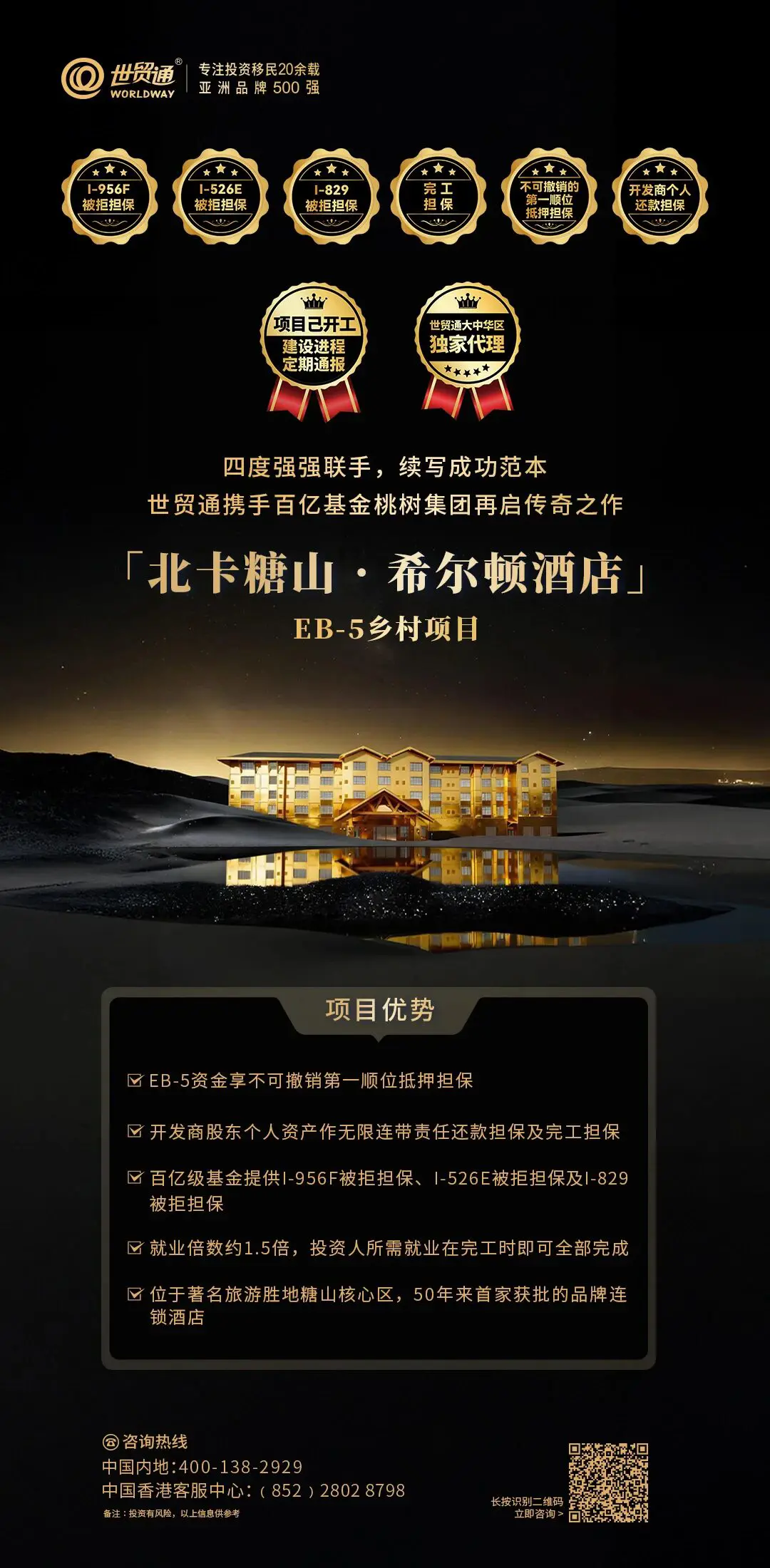
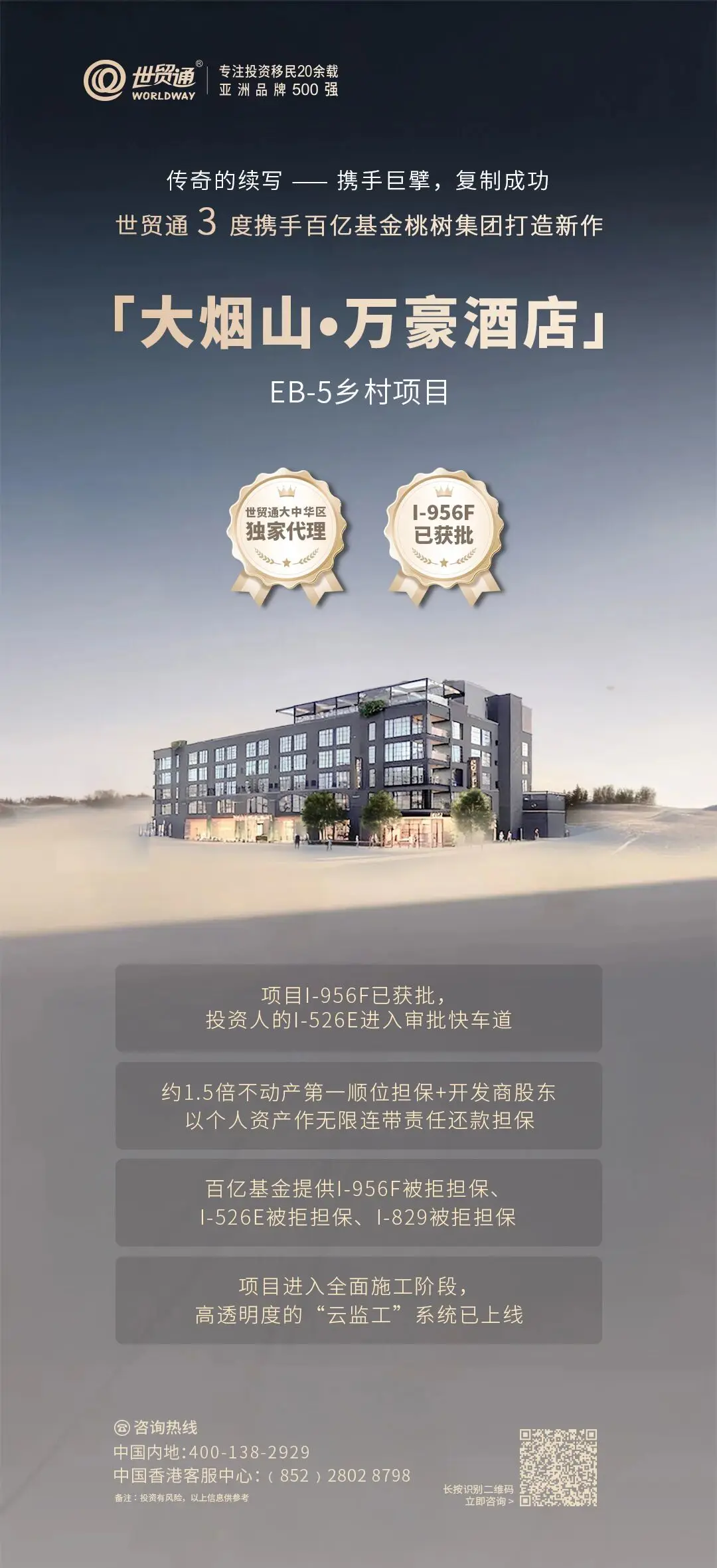
The WorldWay Group holds two high-quality EB-5 rural projects, assisting investors in safely, efficiently, and without a waitlist to achieve U.S. identity planning, quickly embarking on a new life in the U.S. Global quotas are limited, and seats are scarce, first come, first served!


For inquiries in mainland China: 400-138-2929, Hong Kong customer service center: (852)2802 8798