





Recently, the Office of Foreign Labor Certification under the U.S. Department of Labor officially released the complete PERM application data for the four quarters of the 2025 fiscal year.
Looking at the full-year data, one trend is very clear: PERM is entering a phase of sustained contraction.
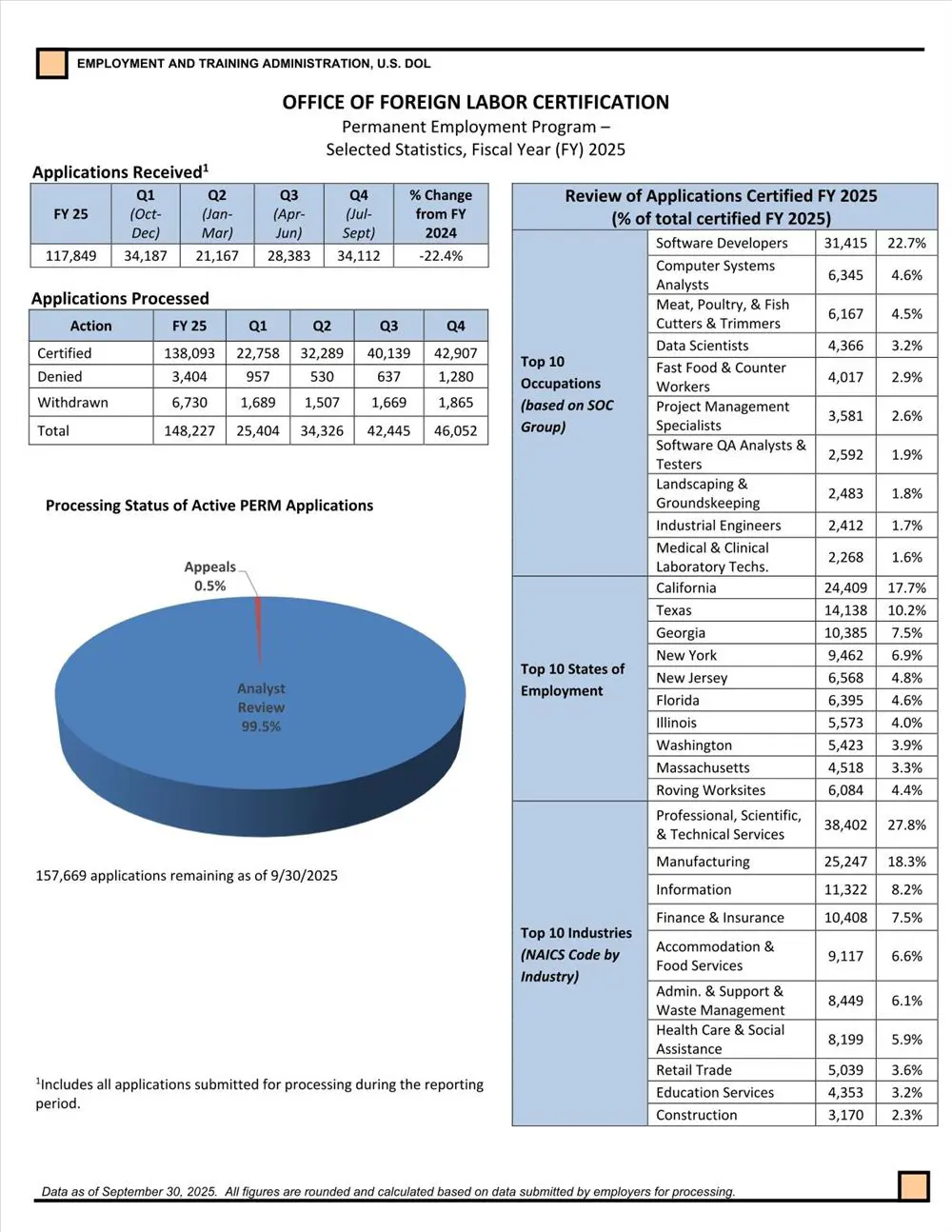
Fiscal Year 2025 PERM
Significant Decline in Application Volume
According to the data:
• A total of 117,849 PERM applications were received in fiscal year 2025, a year-on-year decrease of 22.4% compared to fiscal year 2024.
• The number of PERM applications in the fourth quarter of fiscal year 2025 was 34,112, a year-on-year decrease of 6.8% compared to fiscal year 2024.
• Comparing quarter-over-quarter, the PERM application volume for all four quarters of fiscal year 2025 was lower than the same period in fiscal year 2024.

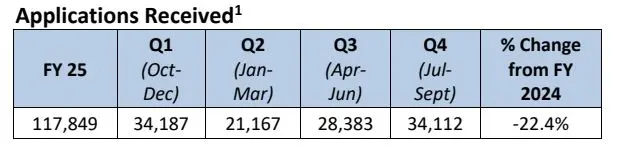
Fiscal Year 2025

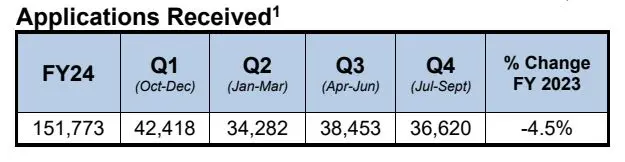
Fiscal Year 2024
This means that the decline in PERM application volume is not an isolated fluctuation in a single quarter, but a trend of contraction throughout the entire fiscal year.
Job and Industry Structure of PERM Applications
In terms of job distribution, technical positions remain dominant:
• Software developers rank first with a 22.7% share;
• When combined with positions such as computer systems analysts (4.6%) and data scientists (3.2%), technology-related roles still account for a significant proportion;
• At the same time, EB-3 unskilled positions such as meat processing, fish processing, and landscaping also frequently rank among the top.
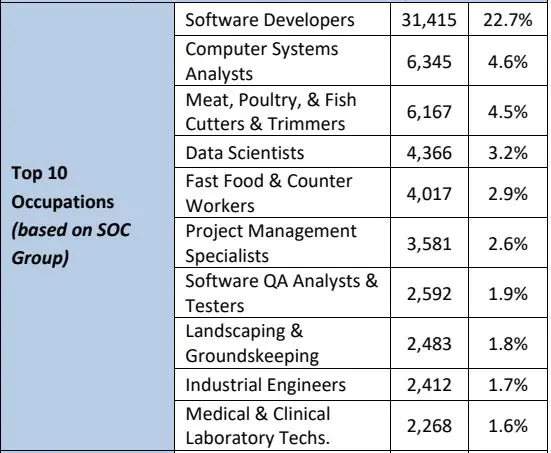

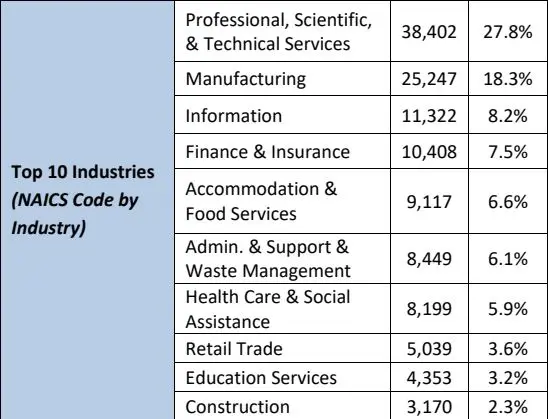
In terms of industry distribution:
• The "Professional, Scientific, and Technical Services" industry leads by a wide margin with a 27.8% share, indicating that the U.S. continues to attract technology talent;
• Manufacturing ranks second with 18.3%, reflecting stable demand for skilled talent in industrial engineering, production management, and similar fields.

Behind the Data: The PERM Decline Reflects a "Change in Employer Behavior"
If one only looks at the decline in application volume, it is easy to mistakenly believe that "the U.S. no longer needs foreign labor," but historical data does not support this judgment:
• During the severe pandemic period of 2020-2021, the U.S. economy and job market were impacted, but PERM application volume did not show a significant decline;
• After the tech industry layoff wave began in 2022-2023, PERM application volume actually continued to rise, even hitting record highs;
• The true turning point appeared in the fourth quarter of fiscal year 2024 and continued to decline in fiscal year 2025.
This indicates that the current downward trend in PERM is not a short-term economic or industry cycle issue, but a structural change at the employer level.
In other words, the path of employment-based immigration has not disappeared, but the window is narrowing, and whether it can be pursued further increasingly depends on the willingness of employers.

Why is PERM Crucial for International Students?
H-1B is a key step for Chinese international students who want to work in the U.S. after graduation, and the PERM labor certification is the core link in applying for a green card. PERM is the first step for international students to apply for a U.S. employment-based green card (EB-2/EB-3). It must be initiated by the employer. Only after approval can the I-140 immigrant petition be submitted, followed by the I-485 adjustment of status application, and finally, the green card is obtained.
Generally speaking, an H-1B can be held for a maximum of six years. If a green card is not obtained or another legal status is not found before it expires, international students are forced to leave the U.S. Therefore, the PERM application directly determines whether international students can obtain U.S. permanent residency.
It is precisely for this reason that more and more foreign employees working in the U.S. are beginning to realize that pinning their status planning entirely on "whether the company is willing to support the process" is a risk in itself.
Multiple Hurdles Combined, Traditional Paths to Staying in the U.S. Face Increased Pressure
For international students in the U.S., the traditional path is facing multiple challenges:
• Limited duration of OPT;
• Shrinking number of PERM applications and longer processing cycles;
• Rising H-1B application fees and lottery rules skewed toward high salaries;
• Comprehensive upgrade of social media vetting, expanded to all H-1B and H-4 applicants;
• Long duration for the EB-2/EB-3 to green card transition phase;
• Added instability in positions due to layoffs in the tech industry.
The combination of these factors makes the road to staying in the U.S. more like an endurance race with "layer upon layer of hurdles," prompting more and more students to start looking for status paths that do not rely heavily on employers in advance.
EB-5: A Certain Choice in an Uncertain Environment
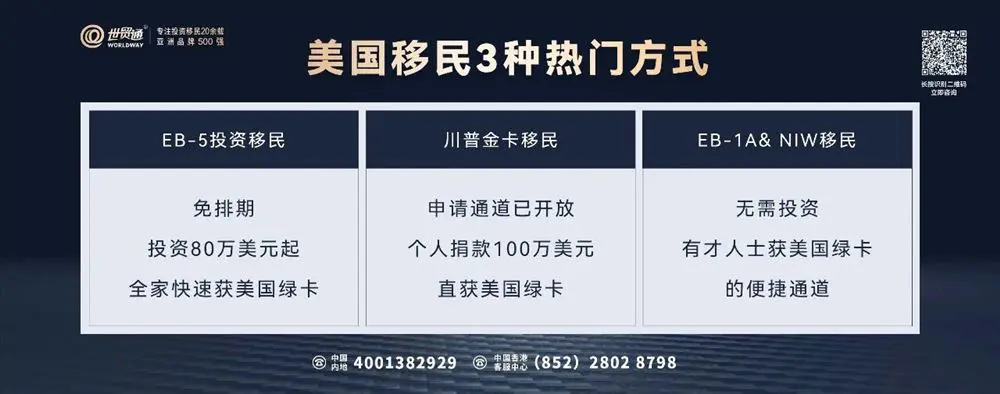
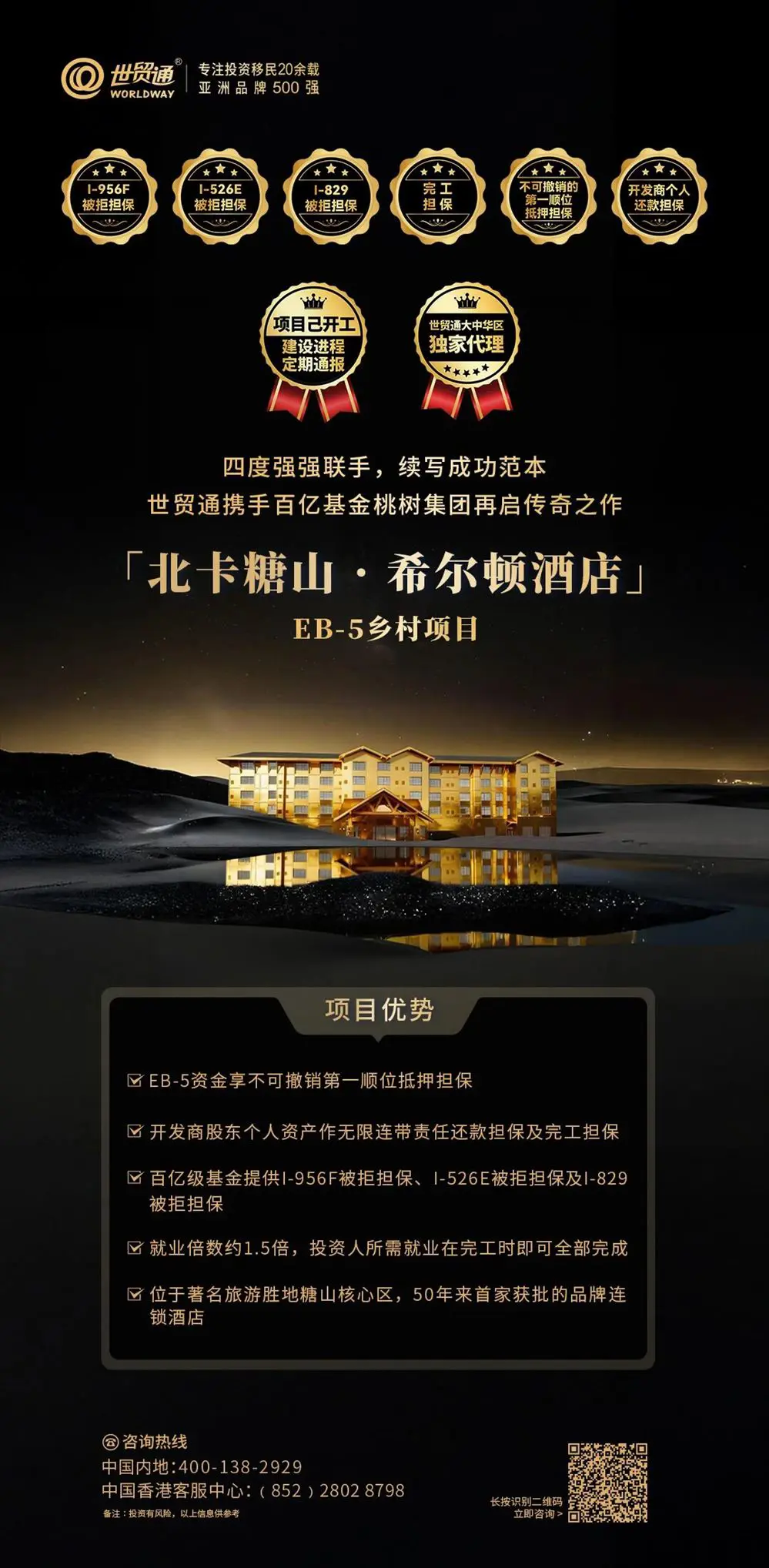
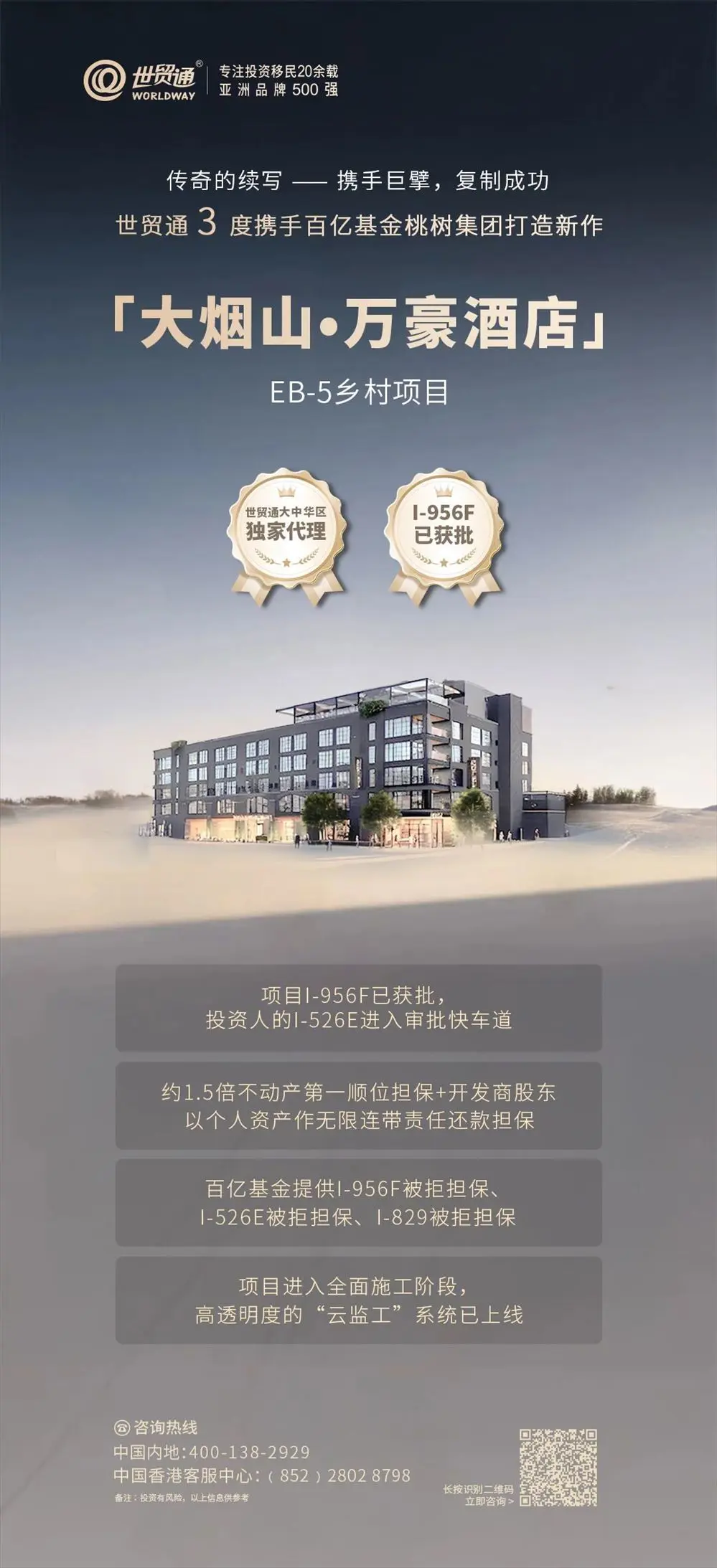
In the current context, EB-5 investment immigration is receiving increasing attention. According to the new EB-5 law: Rural EB-5 projects are exempt from visa backlogs and have priority processing advantages; the "concurrent filing" policy allows applicants to file I-526E and I-485 simultaneously in the U.S., and they can obtain a Combo card in about 3 months, quickly achieving legal residency and employment eligibility.
WorldWay holds two high-quality EB-5 rural projects, helping investors achieve their U.S. status planning securely, without backlogs, and efficiently, quickly embarking on a new life in the U.S. Global quotas are limited, spots are scarce, and they are available on a first-come, first-served basis!


In addition, the Trump Gold Card immigration program is officially open for applications. WorldWay has taken the lead in launching Gold Card acceptance services, helping applicants efficiently advance their application process and seize the critical time window.
For inquiries in Mainland China: 400-138-2929, Hong Kong Customer Service Center: (852)2802 8798