





To provide their children with a high-quality education, more and more parents are choosing to send them abroad for studies. In reality, the challenges of studying in the U.S. have continued to intensify in recent years, and the difficulty for children to transition from studying to remaining in the U.S. is constantly increasing. Many international students find themselves in a dilemma after graduation, suddenly realizing that staying in the U.S. is fraught with difficulties, as if it were as hard as ascending to heaven. Therefore, in the face of such a predicament, how can one break through?
Recently, the University of California (UC) system issued a new regulation, with multiple UC campuses announcing the implementation of "major tightening orders," restricting students from enrolling in certain high-demand and highly selective majors. This move has sparked widespread attention and heated discussion among students studying in the U.S.!
The University of California, San Diego (UCSD) has set different requirements for major applications and changes for both in-state and out-of-state students. The university has designated a group of "highly selective majors"—such as Bioengineering, Chemical Engineering, Computer Science and Engineering, and Mechanical and Aerospace Engineering—limiting the number of admissions for these programs. These regulations are very unfriendly to international students, especially those from China.
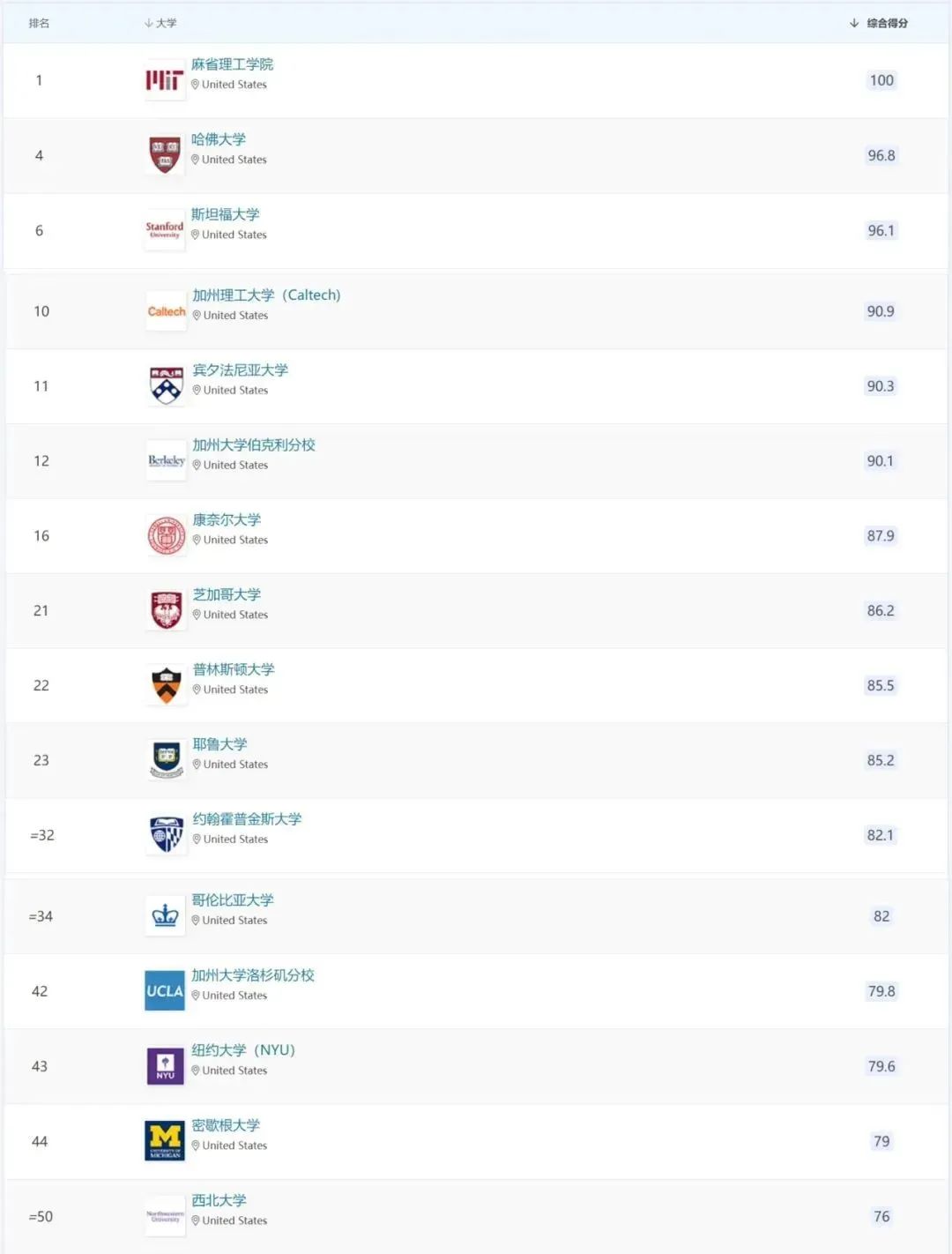
The University of California, Berkeley (UCB) has updated its list of "high-demand majors," including Media Studies, Art Practice, Psychology, Political Economy, Public Health, Social Welfare, Operations Research, and Management Science, placing these majors under the university's largest college—the College of Letters and Science. UCB explains that this adjustment is due to the number of students exceeding the capacity of teaching resources and classrooms. These restrictions also pose greater challenges for students wishing to change majors.
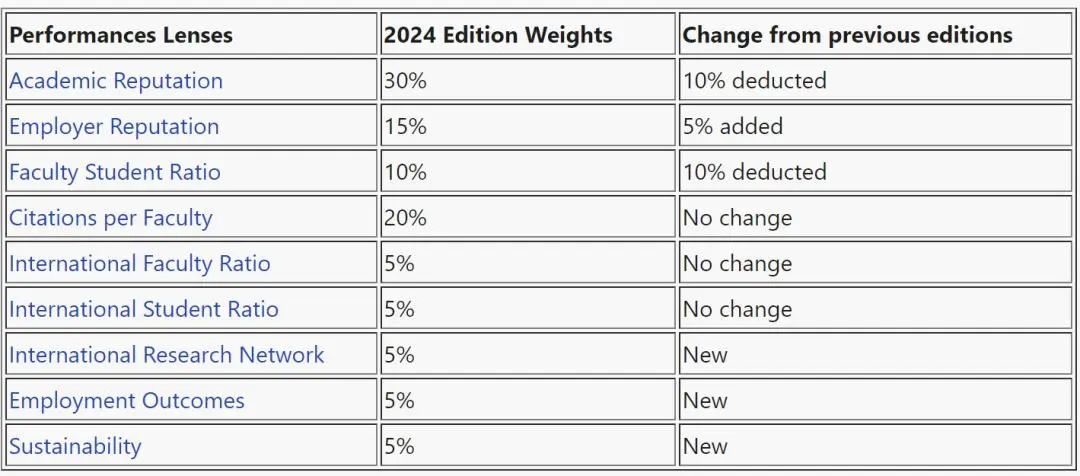
Other UC campuses, such as the University of California, Los Angeles (UCLA), have key majors including Music, Arts and Architecture, Theater, Film and Television, and Nursing; the University of California, Santa Barbara (UCSB) includes Music and Dance, all 9 majors in the College of Creative Studies, and all 5 majors in the College of Engineering; the University of California, Santa Cruz (UCSC) focuses on Computer Science. The vast majority of these "highly selective" majors are the "star programs" of these institutions, and many international students list them as their top choices. Clearly, it will become increasingly difficult for international students to switch to popular "highly selective" majors after enrollment in the future.
In fact, the difficulty of studying in the U.S. has been rising, and the path from studying to staying has become exceptionally arduous. International students not only face restrictions in choosing popular majors, but their admission opportunities usually account for only about 10%, far lower than local students, despite the fact that they pay three times the tuition of local students. If one misses out on a STEM major, the OPT internship period is only 1 year, the H-1B work visa lottery rate is even lower, and employment is met with an invisible ceiling, making it harder and harder to stay in the U.S. If things go smoothly, ten years of youth might be exchanged for a green card; if not, everyone has their own misfortunes: being laid off during the H-1B period, being denied entry, etc.
Therefore, for those international students who want to pursue high-demand, popular majors and hope to work in the U.S. after graduation, obtaining a green card through legal channels before studying in the U.S. has become a preferred strategy. Obtaining a green card before going to the U.S. for studies and adopting a unique strategy is the only way to achieve unexpected results, allowing the difficulties encountered during the study process to be resolved one by one.
Live Broadcast Preview
Dialogue with a Board Member of a Famous U.S. Private School:
How to Grow Together with Your Child in the U.S.?


For inquiries in Mainland China: 400-138-2929, Hong Kong, China Customer Service Center: (852)2802 8798
Note: 1. Within the scope permitted by law, the right of final interpretation of this promotional activity belongs to WorldWay Group. 2. *Investment involves risks, and choices should be made with caution.