





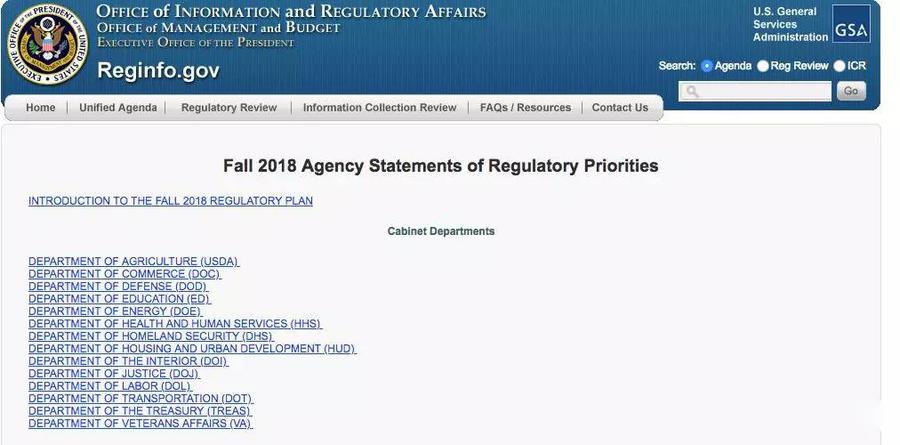
As is well known, the United States will hold midterm elections in November. As the date approaches, various regulatory plans are being announced. Recently, the U.S. Citizenship and Immigration Services (USCIS) and the Department of Homeland Security (DHS) jointly released the "2019 U.S. Immigration Reform Priority Plan." Regarding immigration, Worldway Group has previously analyzed the impact of the USCIS EB-5 administrative regulation reform plan; next, we will analyze the impact of the newly released "2019 U.S. Immigration Reform Priority Plan" on studying abroad and employment in the United States.
H1B Visa: Raising the Threshold; H4 Visa: Canceling Work Eligibility
In the newly released immigration reform plan, the Department of Homeland Security proposes to raise the standards for "specialty occupations" required for H1B visas. At the same time, it proposes changing the H1B lottery rules to increase the probability of selection for international students with a master's degree or higher by 15%, ensuring that the limited number of work visas are issued to the best, brightest, and most skilled international students, while also requiring employers to pay reasonable wages to H1B holders. The expected effective date for this proposal is August 2019. If this proposal is ultimately implemented, it will mean that it will become even more difficult for Chinese international students with undergraduate degrees to remain in the United States through the H1B route.
At the same time, the H4 spousal visa, which is linked to the H1B work visa, has also been included in this plan, with a proposal to cancel the legal work eligibility for H4 holders. In fact, this proposal was repeatedly mentioned in the 2017 fall and 2018 spring agendas. The expected effective date for this proposal is November 2018. Once implemented, this proposal will force many families to face the decision of living apart, and China may become one of the groups most affected.
F1 Student Visa: Setting a Maximum Duration of Stay
Currently, the F1 student visa does not specify a fixed expiration date for status. The time they can remain in the United States is determined by: the time spent maintaining full-time student status in the U.S., the time permitted for Optional Practical Training (OPT), and the 60-day grace period before they must leave the United States.
This time, ICE plans to introduce new regulations in the 2019 fiscal year to cancel the current practice. It will stipulate that foreign nationals holding F-1 visas and certain other categories of non-immigrant visas can only remain in the United States for a specific permitted period and must apply for an extension if necessary. In other words, the current "duration of status" (D/S) will be changed to a limited period of stay.
It is currently unclear how long the stay period set by ICE might be, but it is certain that after foreign students enter the United States to study, if they need to transfer schools, apply for OPT, continue to study in other majors, or pursue higher degrees, they must submit an application to extend their stay in the United States.
The expected effective date for this proposal is August 2019. Once implemented, this proposal is expected to affect the post-graduation plans of more than 300,000 Chinese international students, as well as their ability to remain in the United States after their OPT internship expires.
Planning for U.S. Status in Advance is Urgent
All the above signs indicate that various ways to immigrate to the United States are becoming increasingly stringent, which also means that the path to U.S. immigration is narrowing. Therefore, for those who have plans to immigrate to the United States, they should seize the opportunity to plan ahead to obtain U.S. permanent resident status, reduce the impact of fluctuating U.S. policies, and remain prepared for any changes.
Currently, the EB-5 investment immigration route is highly favored by investors due to its relaxed application requirements, no language requirements, no "immigration jail" (physical presence requirements), relatively low capital investment, and the potential for capital return. However, the USCIS EB-5 administrative reform regulations may be released in November. At that time, the minimum investment amount for Targeted Employment Areas (TEA) will increase from $500,000 to $1.35 million, and the investment amount for non-Targeted Employment Areas will increase from $1 million to $1.8 million.
Therefore, for investors, planning for U.S. status in advance is urgent, and now is the best time to immigrate to the United States. Hurry to choose high-quality projects to catch the last train for the $500,000 low-cost U.S. immigration. Once you miss the best golden application time, what you lose will be more than just money!
Investors can choose high-quality projects that have already been approved by the USCIS, have the potential to shorten waiting times, have completed all job creation, and have first-priority repayment guarantees, such as the highly popular Worldway projects in the EB-5 market: the Manhattan No. 9 Luxury Boutique Hotel and the Dallas No. 1. These projects all have unique and unparalleled advantages, greatly protecting the interests of investors and helping them successfully immigrate to the United States.

Immigration should be done early; this is not just talk. Friends who are currently observing and preparing to apply must hurry to lock in their application spots as soon as possible. This will not only save on immigration costs but also avoid the regrets caused by increased requirements after policy changes. If you are interested in immigrating to the United States, please call us as soon as possible: 400-138-2929.