





Everyone knows that traveling abroad requires a passport and a visa. But do you know what a passport is? What is a visa? Do you know the difference between the two, and the differences in the application processes for each?
First, let’s understand what a passport is.
A passport is a legal document issued by a country to its citizens, which certifies their nationality and identity when entering or leaving the country or traveling or residing abroad. The term "passport" in English means a pass for crossing borders. In other words, a passport is a proof of a citizen's ability to travel through international ports of entry in various countries. Therefore, some countries in the world also issue alternative travel documents in place of a passport.
We can understand that: a passport is our international identification card, it is our proof of identity.
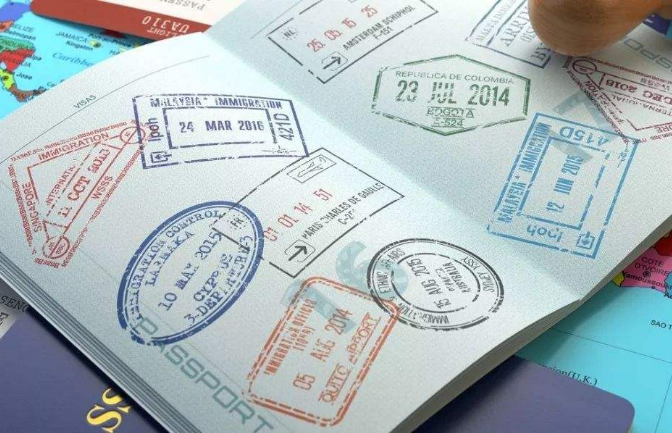
So what is a visa?
A visa is an endorsement or stamp made by a sovereign authority of a country on the passport or other travel documents held by a citizen of that country or a foreign citizen, indicating permission to enter or exit the country or to pass through its borders. It can also be described as a form of endorsement issued to them. International law states that any sovereign state has the right to independently decide whether to allow foreigners to enter or exit its country.
We can understand that: a visa is a document issued by a country that indicates approval for foreign citizens to enter. With this proof, we can legally enter other countries.
What is the relationship between a visa and a passport?
A passport is proof of the holder's nationality and identity, while a visa is generally endorsed on the passport, indicating that the holder has permission to enter a specific country and can enter and exit that country.
What should someone wanting to travel abroad do?
You need to first apply for a passport at the local entry and exit administration office (specific details can be found on the entry and exit administration office website). After obtaining your passport, you can then go to the embassy or consulate of the country you wish to visit to apply for a visa. There is also a possibility of visa denial during the application process, as some countries have more stringent visa requirements.