





Recently, the European Union officially launched its new generation Entry/Exit System (EES).The implementation of this system marks the official end of the "passport stamping era" that has persisted in the Schengen Area for decades, as border management fully enters a "digital + biometric" phase.
Attention to all citizens planning to travel to Europe for tourism, visiting family, or business! To ensure your travel goes smoothly and to avoid any delays caused by a lack of understanding of the new regulations, we have summarized the core details below:

What is the EES?
EES, short for the Entry/Exit System, is an automated, digital border management system launched by the European Union. The EES was gradually introduced at the external borders of European countries using the system starting October 12, 2025, and has been fully operational since April 10, 2026. The system electronically collects travelers' personal data, travel document information, and biometric data (facial images and fingerprints), replacing manual passport stamping with electronic records.
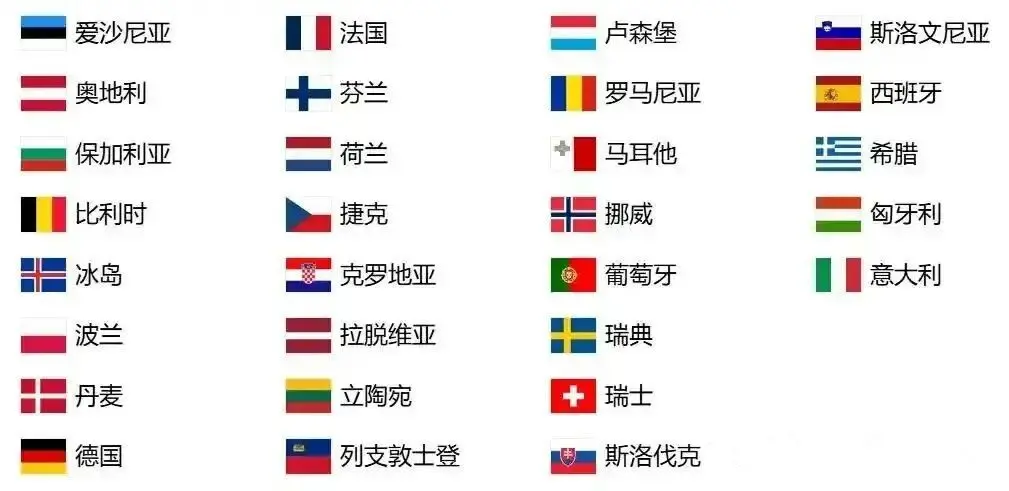
Which countries use the EES?
The system covers 29 Schengen Area countries, including popular tourist destinations such as France, Germany, and Italy, as well as non-EU Schengen countries like Switzerland and Norway.
Who does the EES apply to?
The EES primarily applies to non-EU citizens traveling to the Schengen Area for short stays (no more than 90 days within a 180-day period). This includes tourists holding short-stay Schengen visas (Type C), as well as travelers who are visa-exempt when entering the Schengen Area (such as citizens of countries and regions including the United States, Canada, the United Kingdom, Japan, and South Korea).
It is worth noting that the EES is primarily aimed at non-EU citizens entering the Schengen Area for short-term purposes such as tourism, business, or visiting family. For citizens of the EU and Schengen member states, or individuals who already hold long-stay visas, residence permits, or residence cards issued by European countries—such as those who already possess legal residence status in countries like Greece, Portugal, Cyprus, or Malta—the EES generally does not apply.
What data does the EES collect?
The EES system will strictly follow data protection regulations to collect, record, and store the following types of information:
• Personal data from travel documents, such as full name, date of birth, and nationality;
• The date and location of each entry into and exit from European countries using the EES;
• Biometric data, such as facial images and fingerprints (children under 12 are exempt from fingerprinting and only require a facial image);
• Records of entry-related outcomes, such as whether entry has ever been refused.
For first-time travelers, biometric information will be collected; upon subsequent entries into the Schengen Area, identity verification can be completed automatically via facial recognition without the need to re-record fingerprints. Relevant biometric information can be stored in the system for up to 3 years for subsequent entry and exit verification.
Insight: The Importance of Identity Planning
The implementation of the EES actually reflects a major trend in European border management: strengthening supervision of short-term mobile populations while providing convenience for long-term residents.
Against this backdrop, more and more families are beginning to improve the certainty of their travel and life arrangements through identity planning. European identity configuration programs in countries such as Greece, Portugal, Cyprus, and Malta are receiving continuous attention. For individuals with needs for overseas travel, children's education, asset allocation, and long-term family planning, laying out a suitable European identity path in advance is becoming an increasingly important choice.





For detailed inquiries, please contact Mainland China: 400-138-2929, Hong Kong Customer Service Center: (852)2802 8798