





Recently, the Common Application (CA) released its latest U.S. undergraduate report for the 2025-26 application season (statistics as of February 1, 2026).
The core data can be summarized in one sentence: The scale has reached a new high, but the structure is being reshaped.
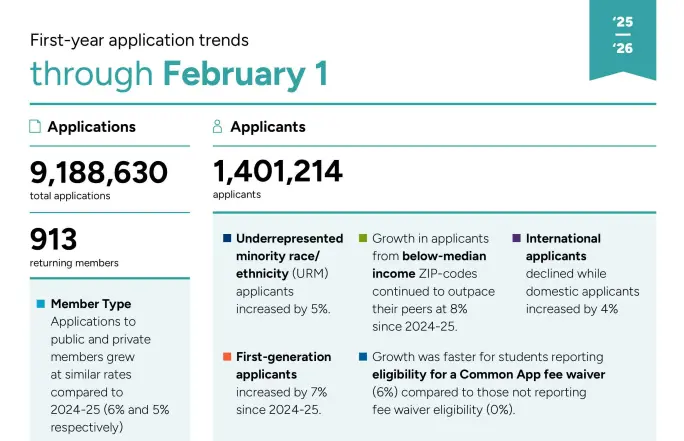
Scale dimension:
Total volume has hit a new high, but growth is rational
According to the report data:
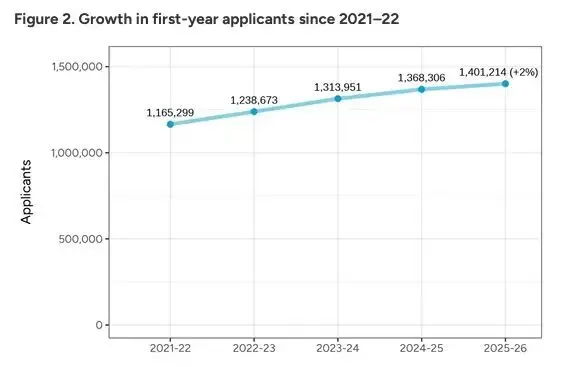
• Number of applicants: 1,401,214, a year-on-year increase of 2%
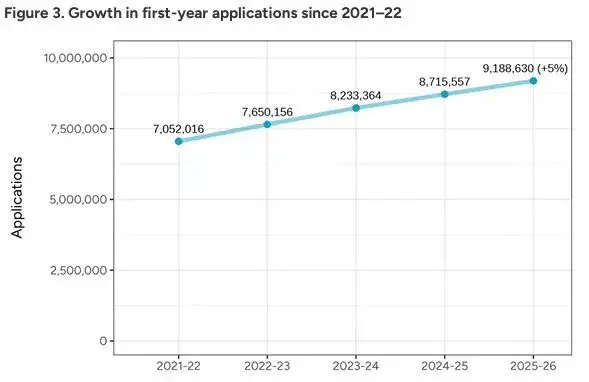
• Total applications: 9,188,630, a year-on-year increase of 5%
• Average number of institutions applied to per person: 6.56 (compared to 6.37 last year)
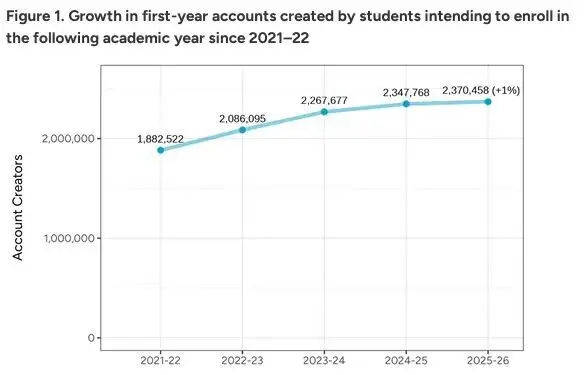
• Number of CA account registrations: 2,370,458, a year-on-year increase of 1%
This means: The number of applicants is growing moderately, but the average number of institutions applied to per person continues to rise, and the intensity of competition is still increasing.
International applicants are declining,
but China remains the top source
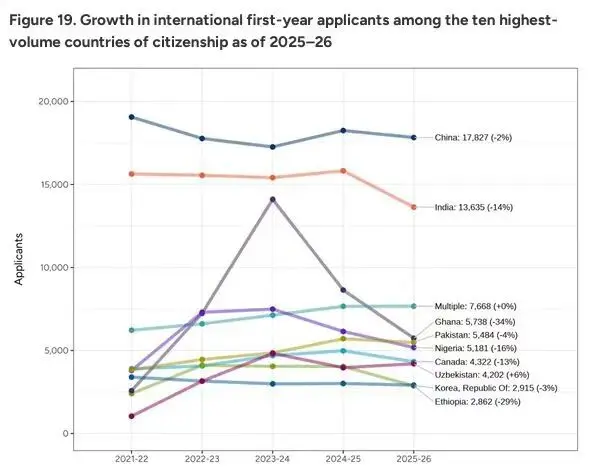
Although there is an overall downward trend in international applicants, China remains the largest source country for international students. The changes by region are as follows:
• Overall international applications decreased by 9%
• Asia decreased by 9%
• Africa decreased by 16%
• India decreased by 14%
• Ghana decreased by 34%
• China decreased by 2% (17,827 people, a slight decline but still the largest source country)
Standardized tests: Returning to rationality
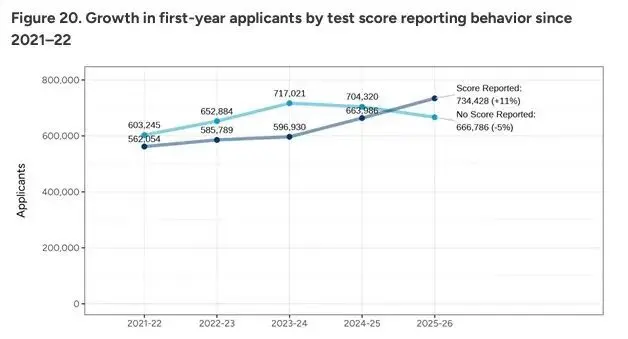
Over the past decade, the proportion of CA member institutions requiring standardized test scores dropped from 55% in the 2019-20 application season to 4% in the 2023-24 season. However, this year, the number of applicants submitting standardized test scores increased by 11%, while those not submitting scores decreased by 5%.
This change indicates that in the context of intensified competition, students are more inclined to submit standardized test scores to enhance their competitiveness.
Institution types: Public and private institutions converge
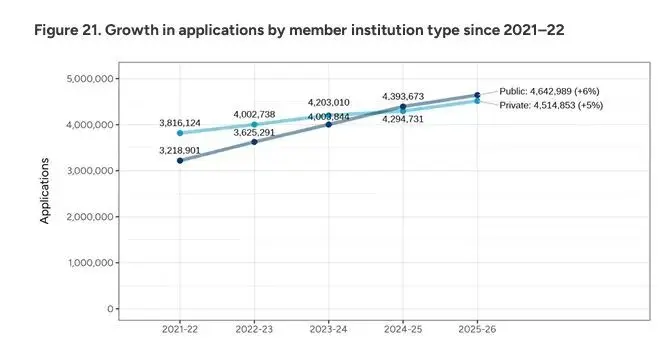
• Public institutions: Application volume increased by 6%
• Private institutions: Application volume increased by 5%
• Prestigious institutions (acceptance rate below 25%): Increased by only 3%
• Other institutions: Increased by 6%-7%
This indicates that applicants are becoming more rational when choosing institutions, starting to pay more attention to building a reasonable application gradient, balancing the choice of "reach schools" and "safety schools," and striving to maximize the success rate of admission.
True competition is not about 'applying to more schools'
In the future, the number of U.S. undergraduate applicants may continue to grow. But what truly sets people apart is never the 'number of applications.' It is:
The depth of understanding of the education system
The ability to plan long-term family paths
Whether one has a stable status as a fundamental guarantee
When international applicants face fluctuations in visa policies, uncertainty in OPT policies, and H-1B lotteries weighted by salary levels, many families realize that educational planning cannot just stop at the application level.
Status is the prerequisite for educational planning
International student status means: limited major choices, higher tuition costs, restrictions on internships and employment, uncertainty in H-1B lotteries, and policy risk exposure, etc.
Having U.S. status means: local student admission channels, tuition advantages at public universities, eligibility for financial aid, no need for employment lotteries, and freedom in long-term career and asset layout, etc.
Education is just the starting point. Status is the cornerstone of long-term certainty. The U.S. EB-5 investment immigration program is a path tailored for families who wish to provide better educational opportunities for their children through a stable status. Through the EB-5 program, applicants can not only obtain a U.S. Green Card but also enjoy the treatment of local students, thereby reducing the various restrictions that international students may face.
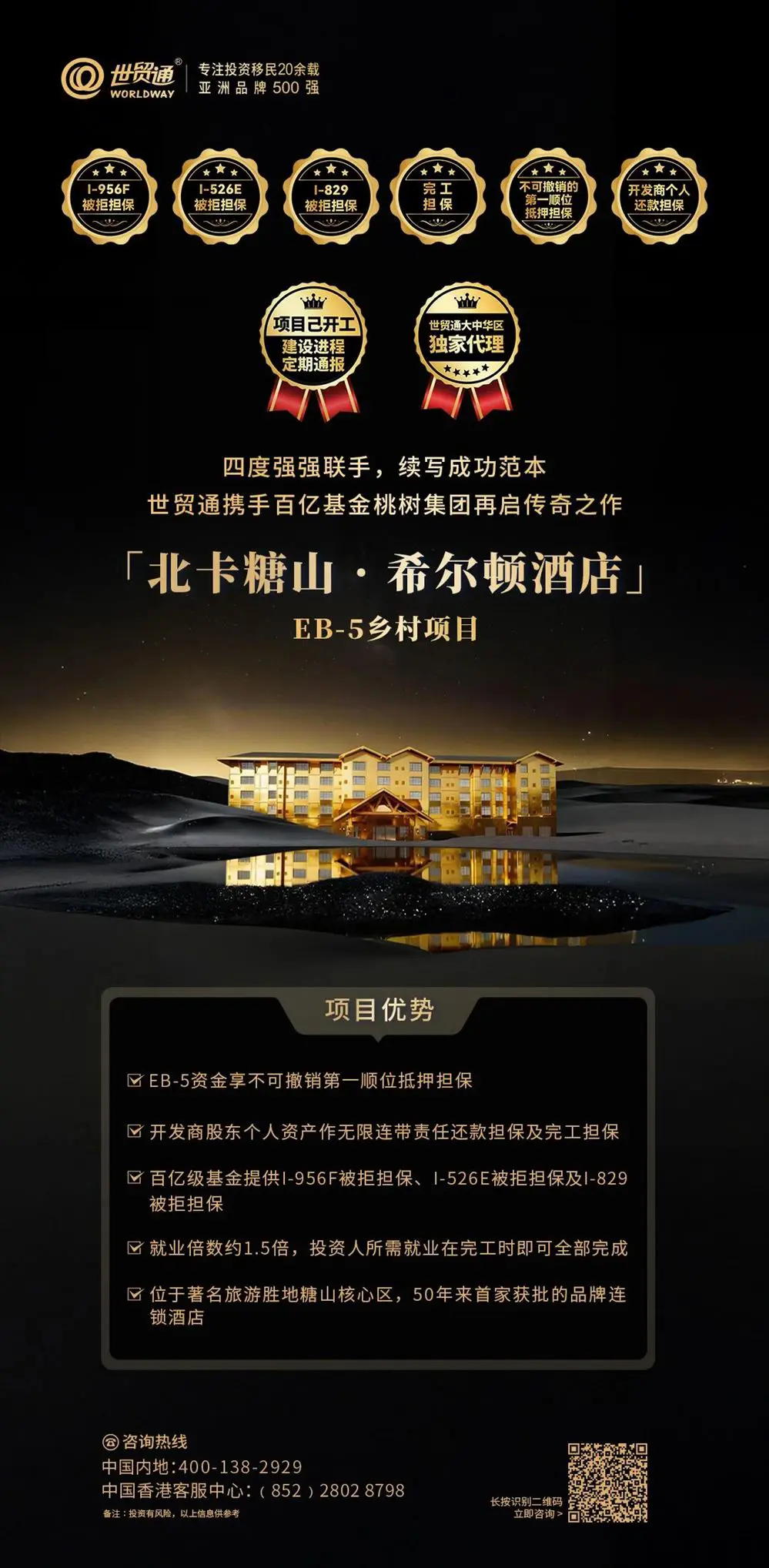
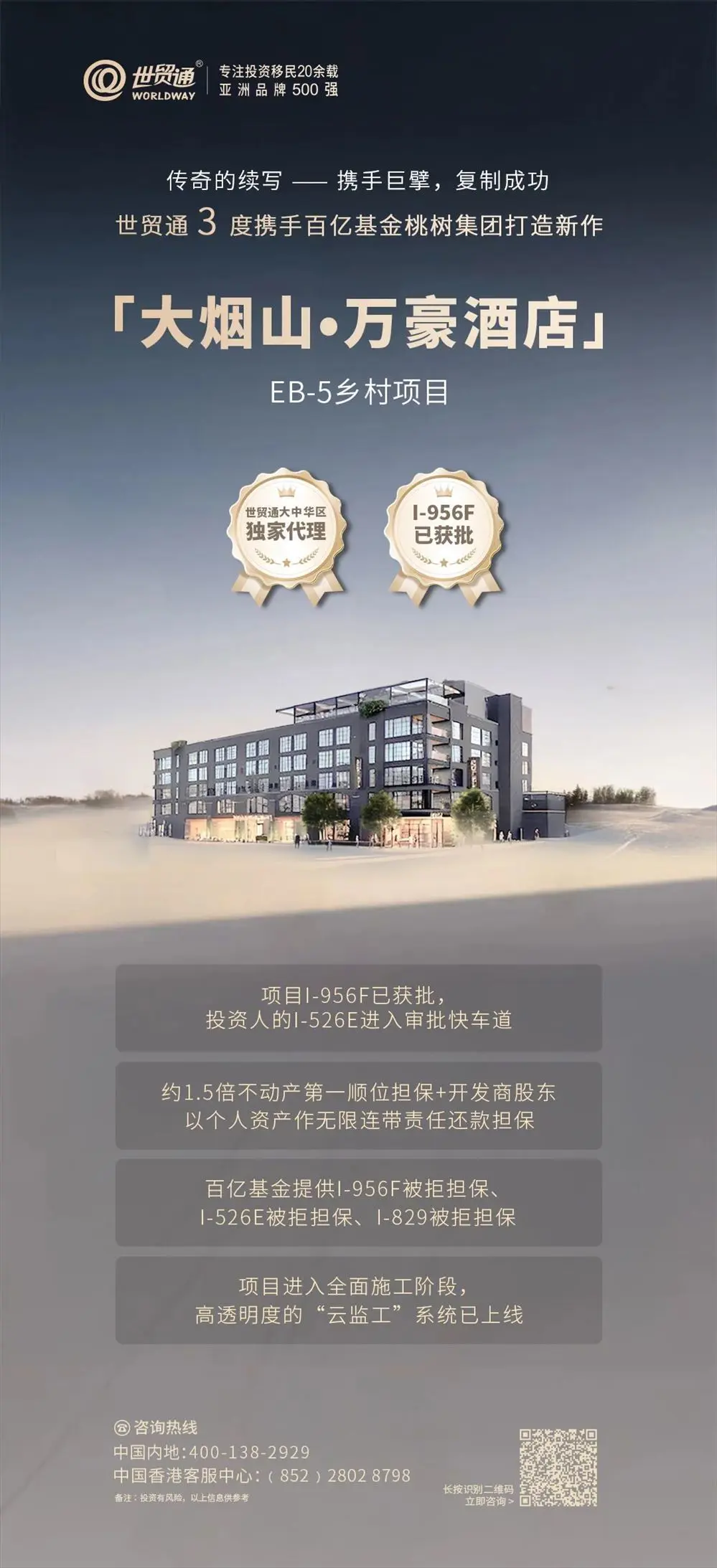
For more details on the EB-5 program and U.S. status planning, please contact us: Mainland China: 400-138-2929, Hong Kong, China Customer Service Center: (852)2802 8798