





The year 2026 has just begun, but the atmosphere in Silicon Valley has already cooled. Recently, The New York Times revealed that Meta has officially launched a new round of layoffs, with the focus directed at its Reality Labs division, where its metaverse business is based. The division currently has approximately 15,000 employees, and the layoff rate is as high as 10%, meaning that over a thousand employees will be forced to leave at the start of the new year.
For many, the first “notice” of the new year is not a performance review or a promotion opportunity, but an email terminating their employment.


01. From Meta to the Entire Industry:
Tech Layoffs Are Becoming “Normalized”
Meta's layoffs are not an isolated case. According to WARN Tracker statistics, in January 2026 alone, more than 100 companies in the United States filed layoff warning notices, involving multiple industries such as technology, manufacturing, pharmaceuticals, finance, and telecommunications. This includes both large technology platforms and giants in traditional industries.
Looking back at 2025, the total number of layoffs in the global technology industry exceeded 120,000, with the United States accounting for nearly 75%. It is evident that layoffs have evolved from periodic adjustments into a normalized phenomenon at the industry level.
02. The Employment Environment for International Students:
It Is Not Just Difficult, But Systemically Unfriendly
In this round of adjustments, those most directly impacted are not the management, but the international student population who have just entered the workforce or have not yet established a firm footing.
The reality is rapidly deteriorating:
• Many tech companies have frozen campus recruiting, and internship positions have been significantly reduced.
• Entry-level engineering and basic R&D positions continue to decrease.
• Hiring requirements have generally been raised to 3-5+ years of experience.
Data shows that the overall employment rate for programmers in the United States has declined significantly over the past two years, and the unemployment rate for young professionals aged 20-30 has risen noticeably. For international students, this is not just a matter of “intense competition,” but the fact that the gateway to the U.S. job market itself is narrowing.
Even more cruelly, even if one successfully secures a job, once a layoff occurs, the countdown for their visa status begins immediately.
03. H-1B: The Most Fragile “Safety Rope” for International Students
For a long time, the H-1B has been the core pathway for international students to work in the U.S., but in the current environment, the uncertainty of this path has been infinitely magnified.
• Limited quotas, long-term reliance on the lottery system.
• A weighted mechanism introduced starting in 2026, where higher salaries provide an advantage.
• Recent graduates are at a natural disadvantage.
Even if one is successfully selected in the lottery, once laid off, there is still only a 60-day grace period to find a new employer. Against the backdrop of shrinking recruitment and cautious corporate hiring, this window is, for most, almost equivalent to a “forced exit.”
Over the past year, many international students have already experienced situations of “being laid off immediately after starting a job” or “losing their job before their status is stable,” forcing their plans to stay in the U.S. to be interrupted.
04. When Employment Is No Longer Stable,
Status Must Be Planned in Advance
The shocks in the tech industry tell us an increasingly clear fact: in a highly uncertain employment environment, the issue of status is no longer an option to be “considered later,” but a core decision that must be prioritized.
For international students who still rely on work visas, career development is highly tied to their status; a single layoff is enough to overturn years of planning. It is against this backdrop that more and more families are beginning to re-evaluate their paths—is it possible to resolve status issues in advance, outside of their career, to fundamentally reduce systemic risk?

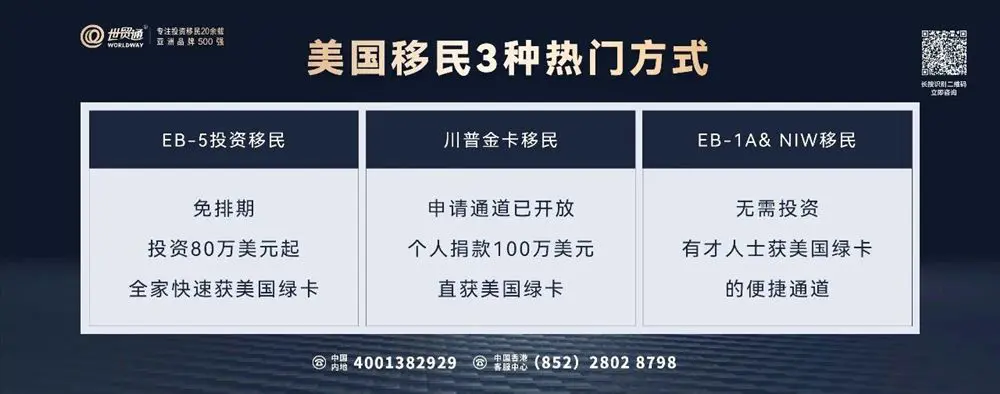
EB-5: A Stable Pathway for U.S. Planning
Under the current policy framework, the U.S. EB-5 investment immigration program is becoming one of the solutions that international student families are focusing on.
Currently, the new EB-5 law is still in a window period with no visa bulletin backlog. Eligible applicants in the United States can simultaneously file their immigration petition and adjustment of status:
• Legal long-term stay.
• Ability to apply for an Employment Authorization Document (EAD) and Advance Parole.
• Employment no longer dependent on employers and visas.
• Sufficient buffer space even when facing layoffs.
Once status exists independently of an employer, an international student's initiative, stability, and room for choice in job hunting will change fundamentally.
The first wave of tech layoffs in 2026 arrived earlier and more fiercely than expected. The industry is changing, the rules are changing, and the structure of opportunities is changing. If you are evaluating the long-term feasibility of developing in the U.S., or wish to establish certainty in advance during an uncertain cycle, now is the window period for EB-5 immigration.
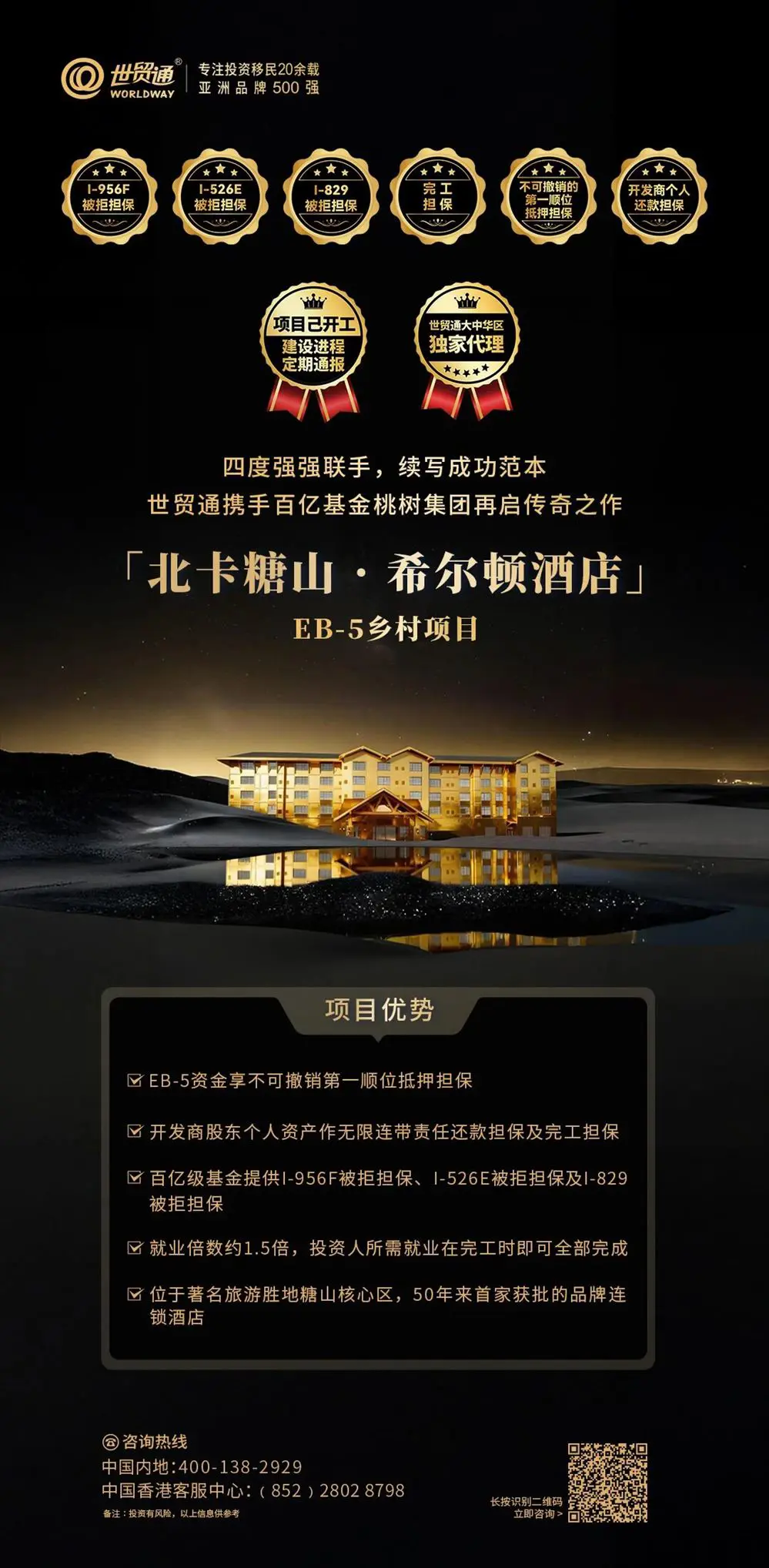
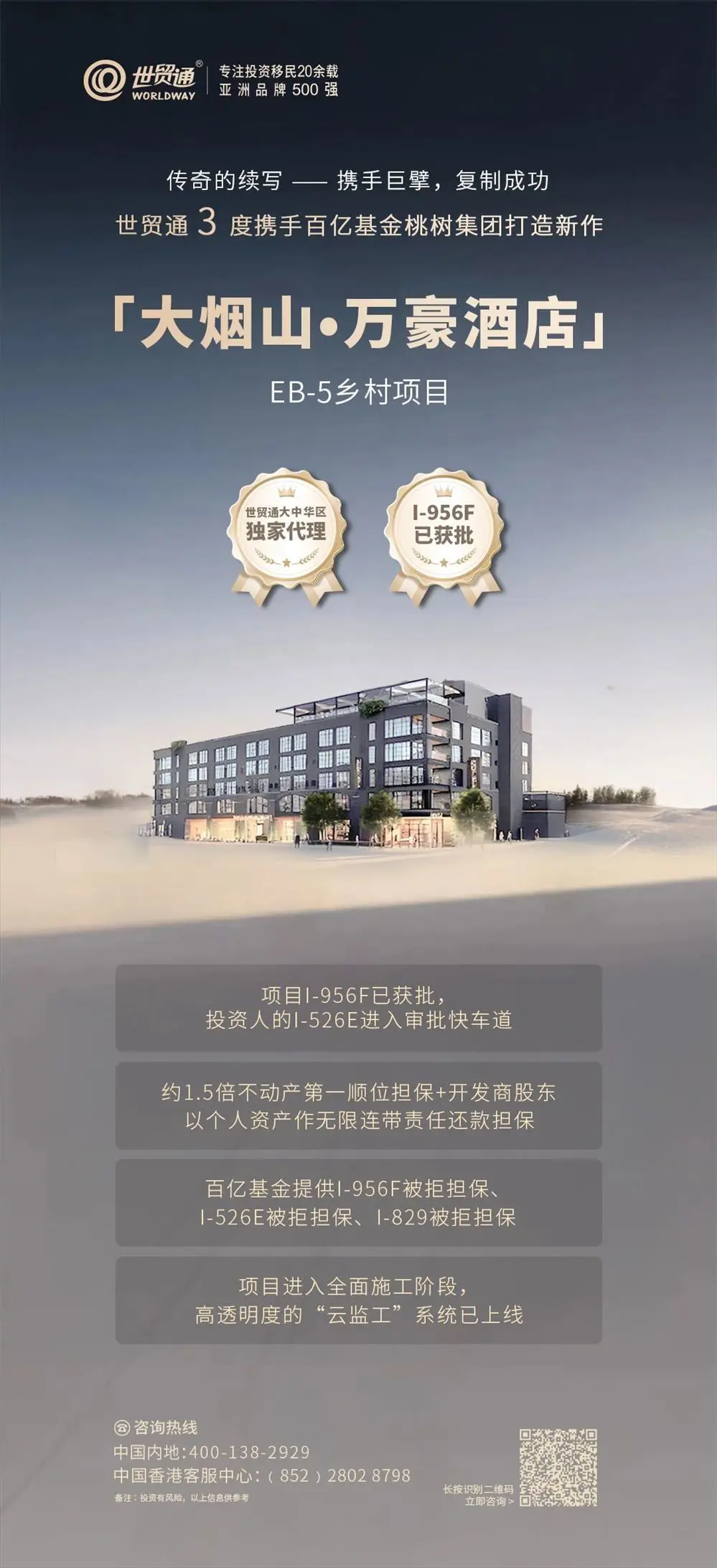
WorldWay holds two high-quality EB-5 rural projects, helping investors achieve their U.S. status planning securely, without backlog, and efficiently, quickly embarking on a new life in the United States. Global quotas are limited, seats are scarce, first come, first served!


In addition, the Trump Gold Card immigration program is officially open for applications. WorldWay has taken the lead in launching Gold Card acceptance services, helping applicants efficiently advance their application process and seize the critical time window.
For detailed inquiries in Mainland China: 400-138-2929, Hong Kong Customer Service Center: (852)2802 8798