





On January 15, 2026, Invest In the USA (IIUSA) hosted an EB-5 Industry Summit in Shenzhen. This summit provided an in-depth analysis and discussion of the current EB-5 market, covering application status, approval progress, and visa usage trends based on the latest industry data.
Senior executives from WorldWay Group attended the conference to gain immediate access to relevant data and industry developments, enabling them to provide investors with more timely and forward-looking professional analysis. Let's take a look with WorldWay.


01. Application Side: Before Policy Expectations Shift, a Filing Surge is Almost Inevitable
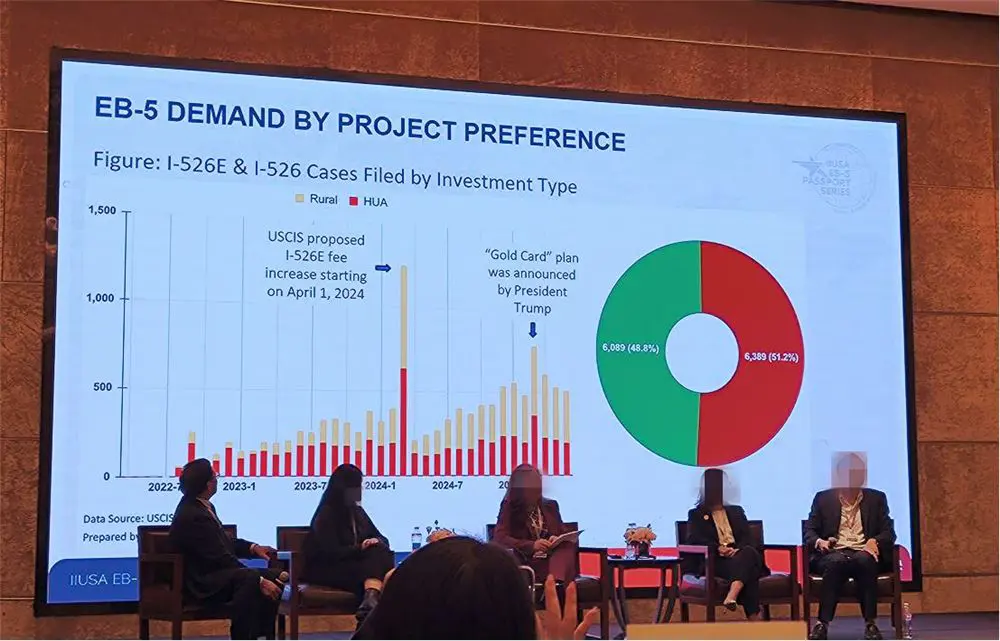
As clearly seen from the historical I-526E/I-526 filing data compiled by IIUSA, since the implementation of the new act in 2022, EB-5 application volumes have not grown uniformly but have shown significant spikes in filing activity before key policy milestones. These milestones include fee adjustments, rule changes, or shifts in policy expectations. Within the current timeline, 2026 happens to overlap with two core variables:
• The potential emergence of official visa retrogression
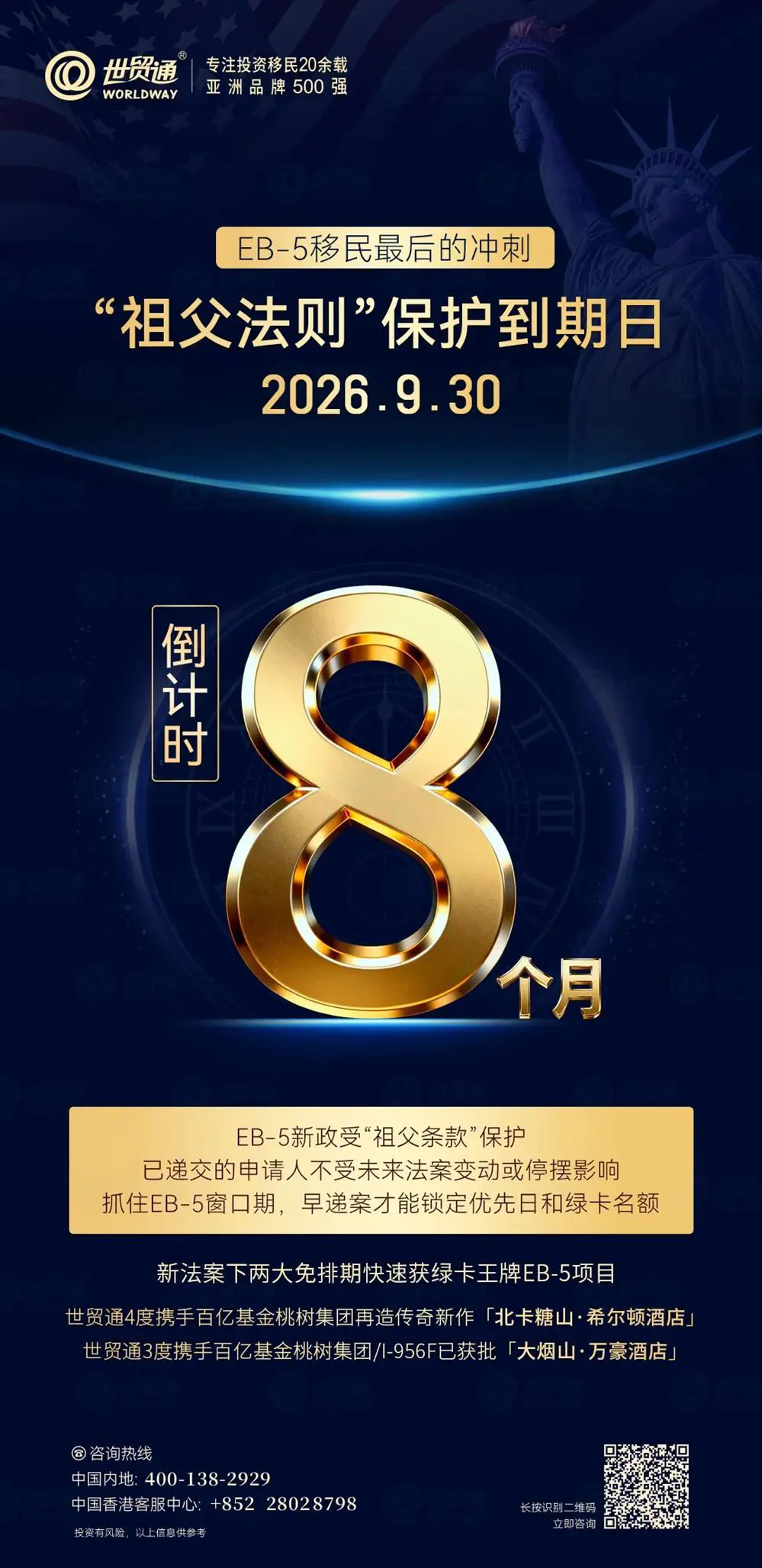
• The expiration of the grandfathering provision on September 30, 2026
This means that 2026 is not a year to "wait and see." For families with clear plans for U.S. residency, filing before retrogression occurs helps secure a place in the queue earlier and locks in greater certainty regarding rules and timing.

02. Real Demand Side: China Remains the Primary Source Country for EB-5
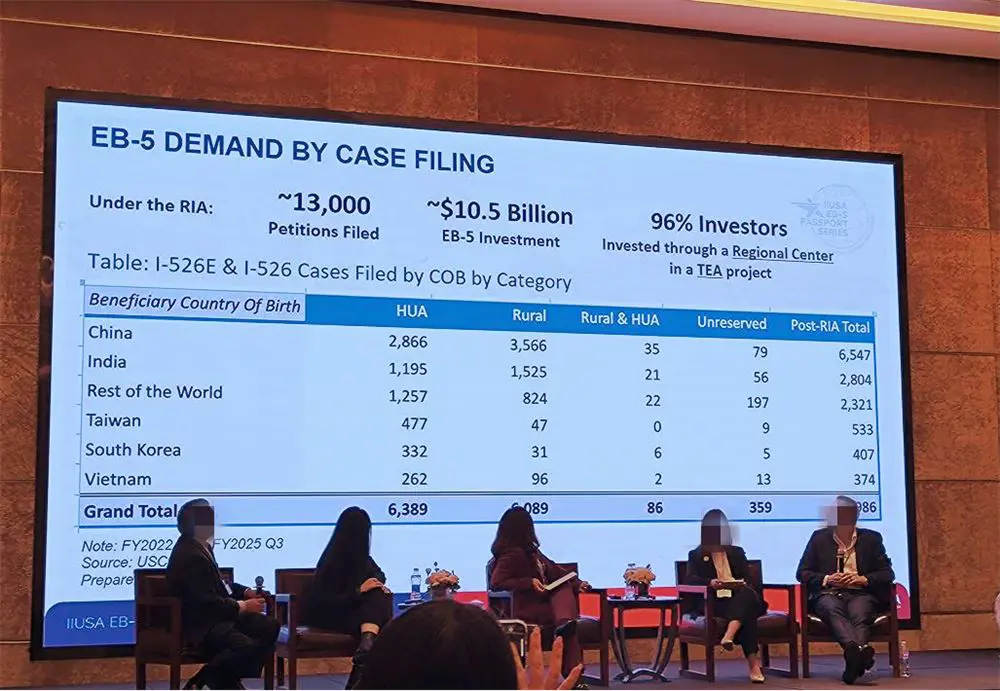
According to the summary data disclosed by IIUSA at the summit, since the implementation of the new act:
• Approximately 13,000 I-526E/I-526 applications have been filed globally
• 96% of investors invested through Regional Center projects
• Chinese investors filed 6,547 applications, accounting for more than half of the global total
This indicates that there is still stable and sustained real demand in the EB-5 market.

03. Approval Side: Approval Release is Accelerating Significantly, and Visa Consumption Will Increase Accordingly
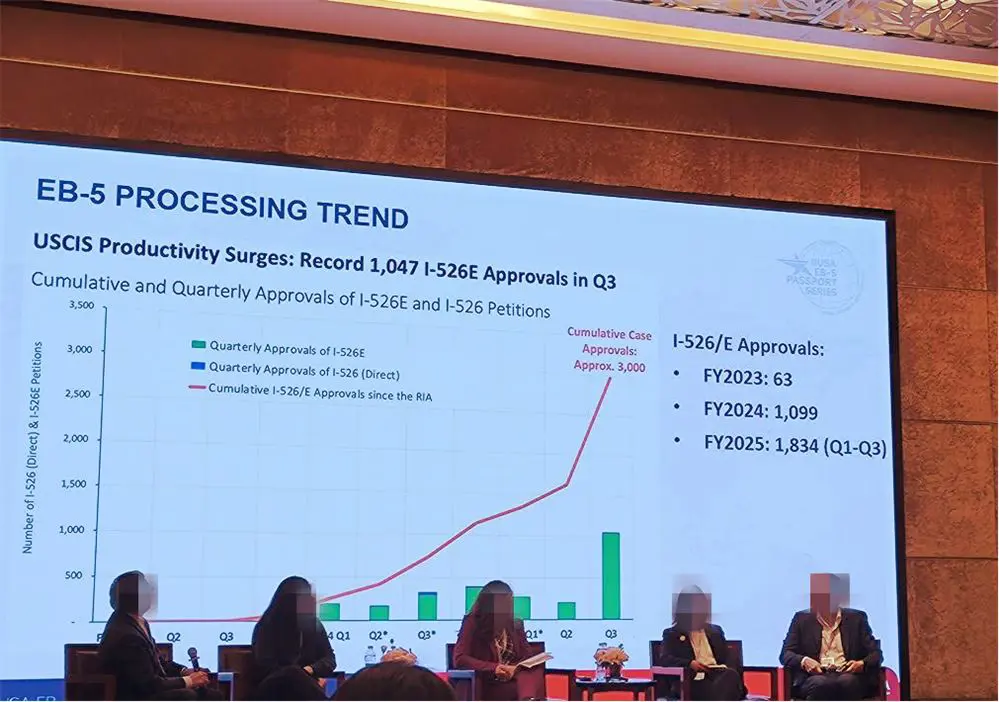
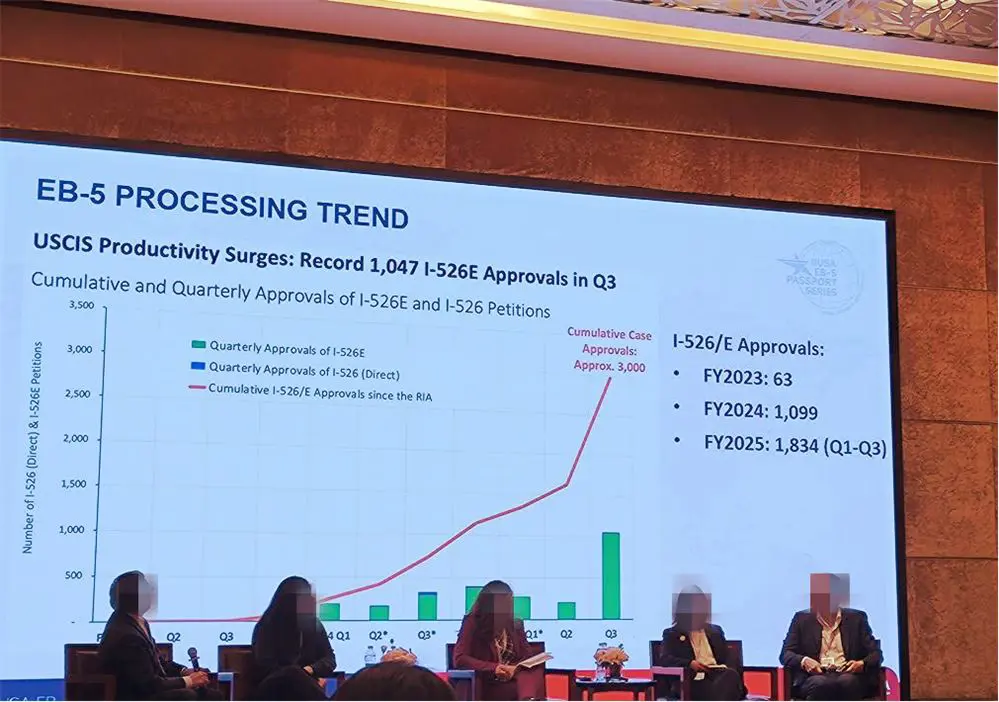
According to USCIS data cited by IIUSA:
• FY 2023: Only 63 I-526E petitions approved
• FY 2024: Approvals jumped to 1,099
• First three quarters of FY 2025: 1,834 petitions approved
• Q3 FY 2025: 1,047 approvals in a single quarter (a new historical high)
This indicates that the pace of EB-5 approvals has entered a phase of sustained release. Based on historical experience, once the approval side forms a stable volume, the pace of visa usage will accelerate significantly, and the risk of retrogression will rise accordingly.

04. Project Differences: Rural Projects Show Advantages in Approval Pace and Stability
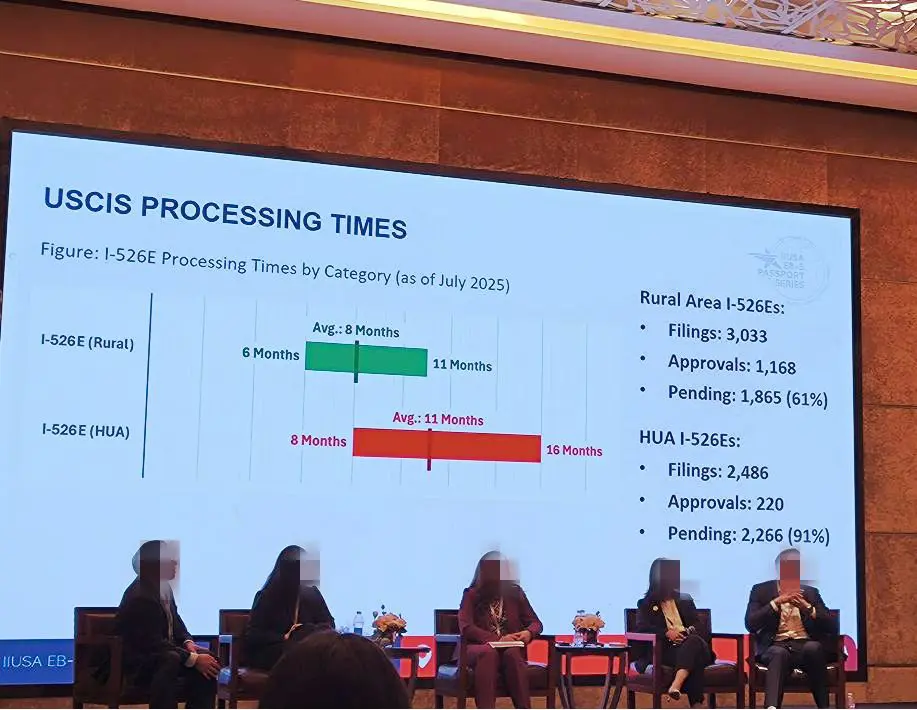
Based on data from 15 large Regional Center groups (covering approximately 5,600 investors), IIUSA compared the approval pace of different project categories:
• Rural EB-5 Projects: Average approval cycle of about 8 months, with a relatively concentrated pace and high predictability
• High Unemployment Area EB-5 Projects: Average approval cycle of about 11 months, with a current approval rate of less than 10%, and some cases exceeding 20 months
This means that the advantages of rural projects are reflected not only in the visa set-aside ratio at the policy level but also in the actual approval pace and cycle stability.

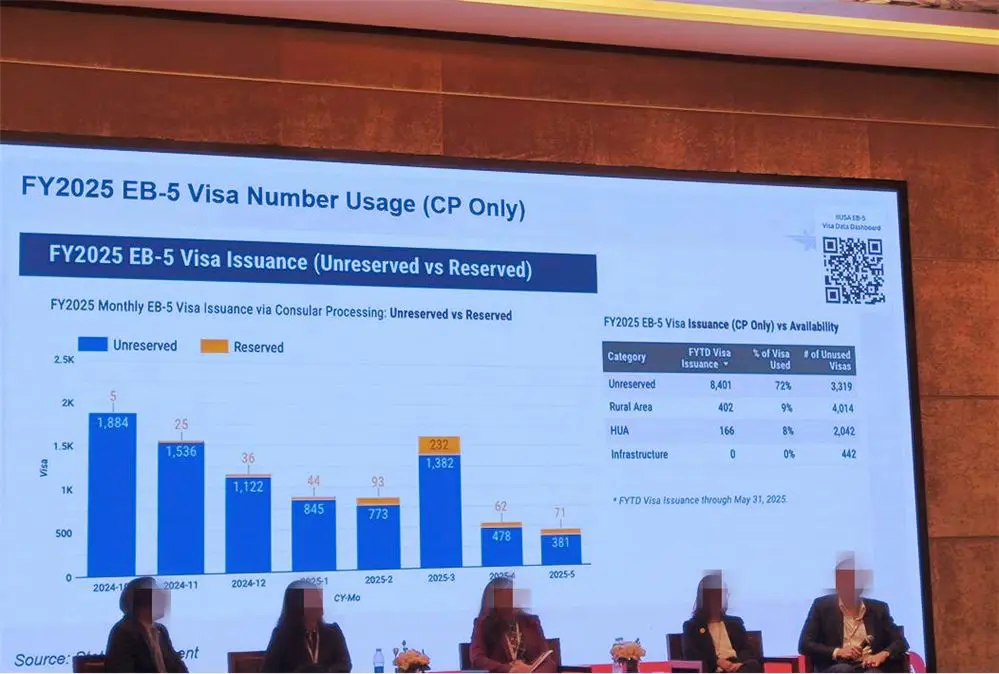
In addition, looking at visa usage in FY 2025: the usage rate for non-reserved visas is approximately 72%; the usage rate for reserved visas, such as rural and high unemployment areas, remains low. According to the latest Visa Bulletin, the priority date remains "Current."
However, IIUSA emphasized at the meeting that the current "no retrogression" status does not mean that future risks have disappeared; rather, it reflects the time lag between approval release and visa consumption.

05. Early Filing is the Most Certain Choice at the Current Stage
Among all variables, the only time point explicitly written into the legal text is September 30, 2026—the expiration date of the grandfathering provision, which is only about 8 months away.
This means that by filing before September 30, even if retrogression or rule adjustments occur in the future, the application can still proceed under the current legal framework.
Based on historical experience and the pace of approvals and visa consumption, once retrogression occurs, the operational logic of EB-5 will change substantially, and the concurrent filing path will also be closed.
Currently, the window is still open, but the time left for calm decision-making is continuously decreasing. WorldWay suggests that investors must seize the opportunity, select high-quality rural EB-5 projects, and submit their I-526E applications as soon as possible to lock in their priority date.
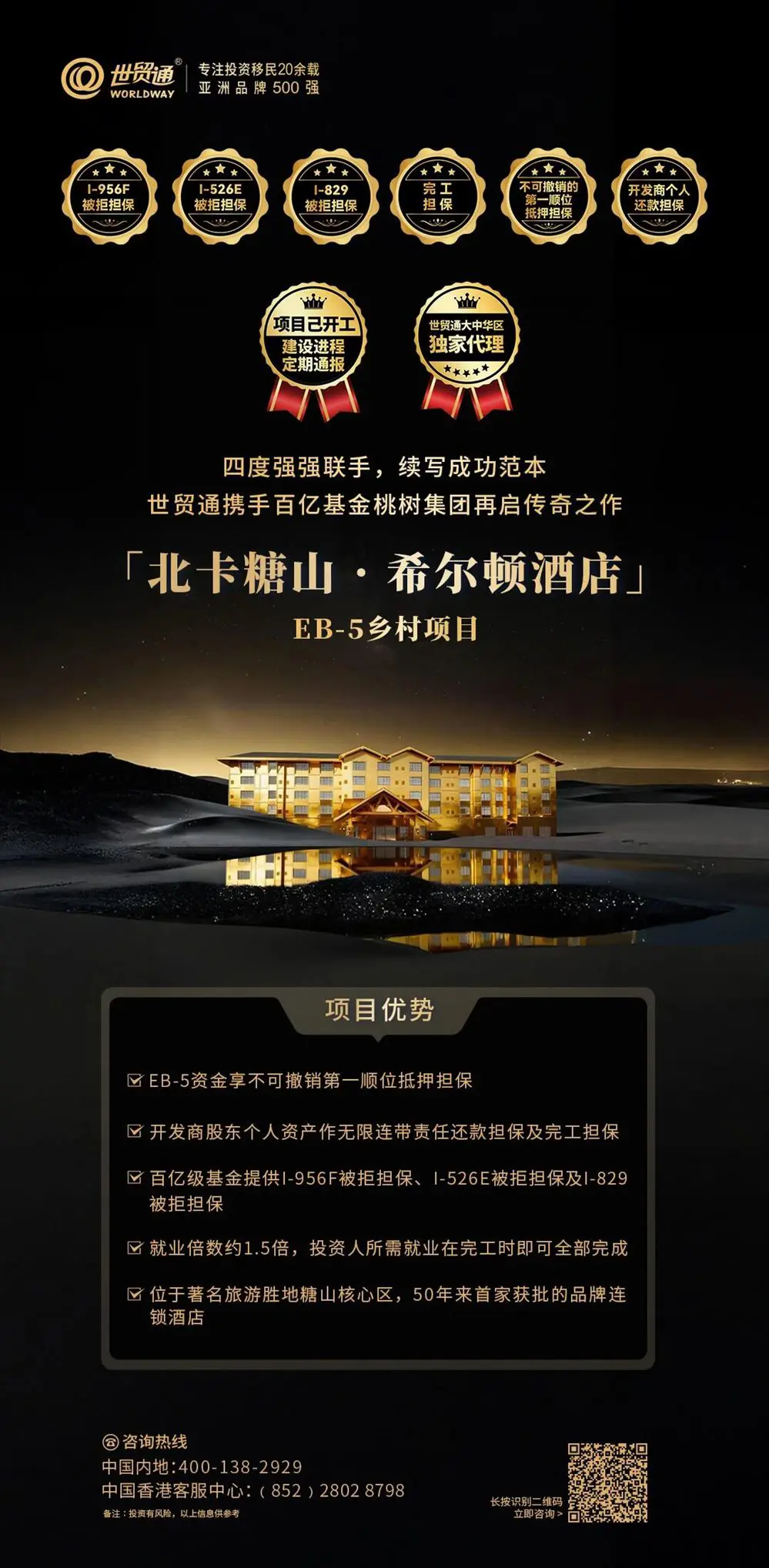
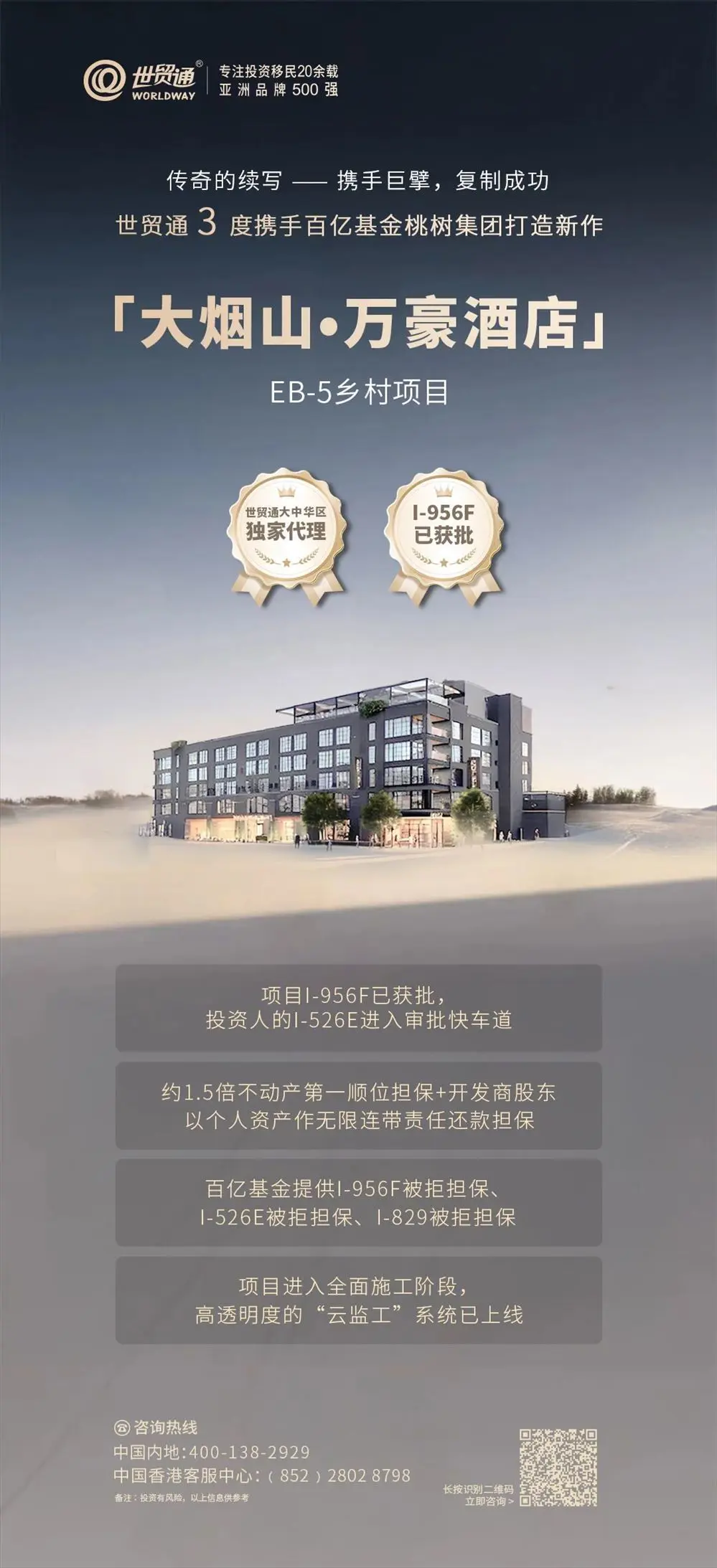
WorldWay offers two high-quality EB-5 rural projects to help investors achieve their U.S. residency plans securely, efficiently, and without retrogression, quickly embarking on a new life in the United States. Global quotas are limited, spots are scarce, and they are available on a first-come, first-served basis!


For inquiries in Mainland China: 400-138-2929, Hong Kong Customer Service Center: (852)2802 8798