





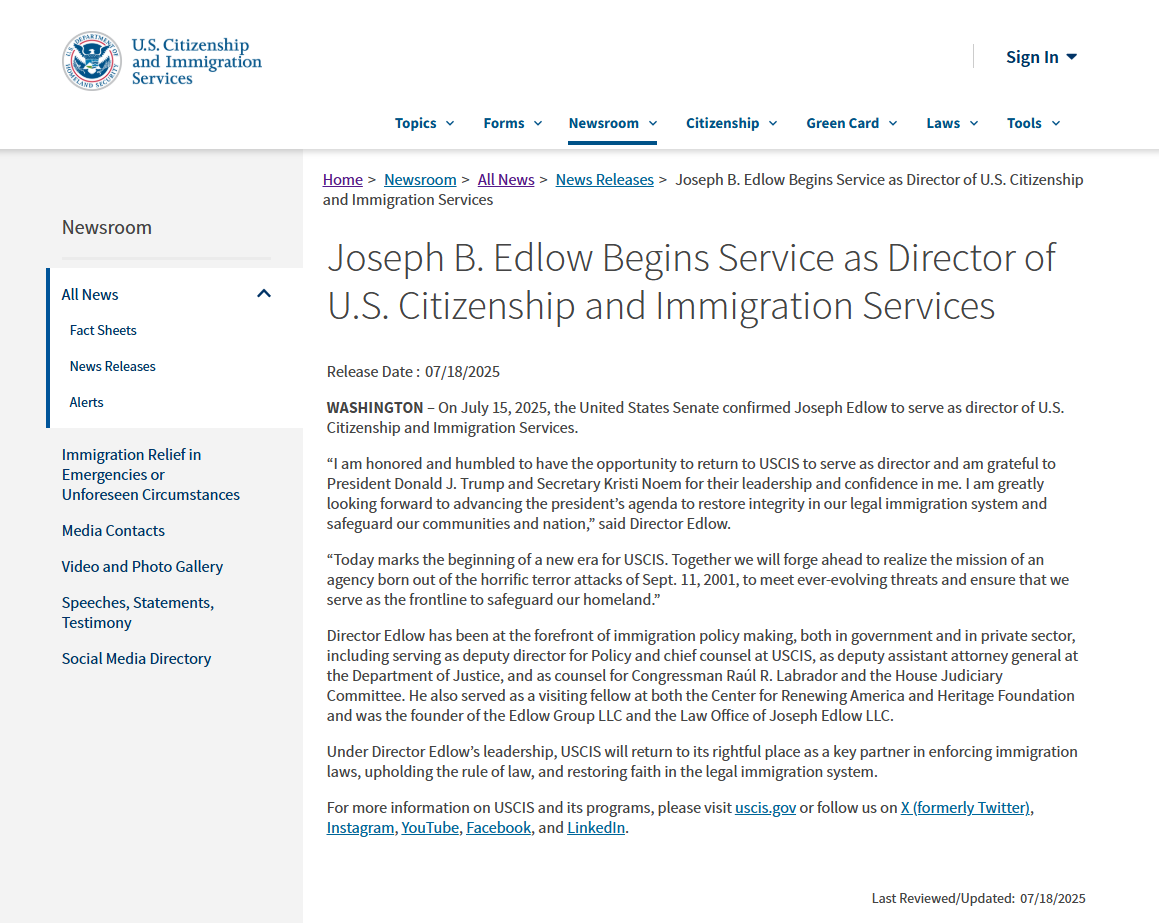
On July 15, 2025, Joseph Edlow was officially sworn in as the Director of U.S. Citizenship and Immigration Services (USCIS). He was nominated by President Trump on March 11 of the same year and confirmed by the Senate on July 15 with a vote of 52 to 47. Edlow's policy stance is highly unfavorable toward international students wishing to remain in the U.S., including proposals to cancel OPT and tighten H-1B visa reviews. Furthermore, he has emphasized strict investigations into visa fraud and strengthening cooperation with Immigration and Customs Enforcement (ICE)!
1. Is OPT Facing an Existential Crisis?
During a hearing in May of this year, Edlow clearly expressed his strong opposition to the OPT program. He bluntly stated that OPT work authorization for F-1 international students after graduation is "illegal," arguing that the expansion of this system "deviates from the original intent of immigration law," is prone to abuse, and undermines the protection of the domestic U.S. workforce, making its cancellation imperative.
Although Edlow holds a hardline stance, he does not have the authority to unilaterally terminate OPT as the USCIS Director. However, he can weaken the program through administrative means, such as delaying OPT processing times, restricting eligible majors, and setting stricter application requirements. For international students who rely on OPT to gain work experience and bridge to an H-1B visa, these adjustments are tantamount to "pulling the rug out from under them."
2. Stricter OPT Policies: Who Will Be Affected?
• F-1 Visa Holders: Over the past year, more than 240,000 international students have gained work experience in the U.S. through the OPT program. For many, OPT is not only a stepping stone to employment after graduation but also a vital path toward an H-1B visa.
• U.S. Universities: Once OPT is canceled, many universities and colleges that rely on international students for tuition and leverage their diverse cultural atmosphere as an advantage may face the risk of losing international student enrollment.
• Employers: Many U.S. companies, especially in the technology and engineering sectors, have long recruited international graduates through the OPT program. If this channel is cut off, it may exacerbate the shortage of professional technical talent.
• Current and Future Applicants: Whether students are currently on OPT, waiting for approval, or planning to study in the U.S., they will be forced to reassess the risks—the uncertainty of planning for a future in the U.S. has increased sharply.
3. H-1B Quota Allocation Based on Salary Levels Makes a Comeback
In addition to the severe threat posed to OPT, the "unfinished policy" from the Trump 1.0 era—allocating H-1B quotas based on salary levels—may be restarted during Edlow's tenure.
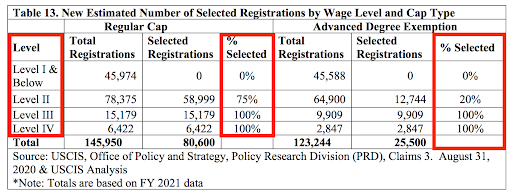
This policy was originally proposed at the end of the Trump administration in 2021, with plans to prioritize H-1B quota allocation based on salary levels (Level 4 down to Level 1). The core logic of this policy is "high salary first": H-1B quotas are first allocated to applicants with Level 4 (highest) salaries, and if any remain, they are distributed sequentially to Level 3, Level 2, and finally Level 1 (lowest). Since most recent graduates are classified as Level 1 due to starting salary limitations, this means they would have almost "no chance of winning" in the lottery. This policy was urgently terminated after Biden took office.
Now, it is set to return, and the new Director, Edlow, is a supporter of this policy. The policy has currently entered the review stage at the Office of Management and Budget (OMB), and once passed, it will be announced and potentially implemented.
4. Breaking Through: Strategies and Alternatives for International Students
Whether it is the potential end of OPT or the implementation of H-1B salary-based screening, if either policy is enacted—compounded by the possibility of USCIS intentionally creating obstacles and delaying processing—it will deal a "fatal blow" to international students, adding more thorns to an already difficult path to staying in the U.S. When the traditional "F-1 → OPT → H-1B" path is restricted at every turn, planning ahead based on your own situation and creating flexible alternatives becomes the key to navigating the policy fog. These alternative, stable paths to obtaining a Green Card are becoming preferred options:
For the Wealthy: EB-5 Investment Immigration
Choosing the EB-5 reserved visa category, investing $800,000, and simultaneously filing Form I-526E and Form I-485 allows you to obtain a Combo card in about 3 months. This does not affect entry or exit while waiting for the Green Card, allowing for legal residence, study, and work in the U.S. without the need for employer sponsorship, providing early access to quasi-Green Card freedom. Under the new policy, there is no visa backlog, making it the fastest way to obtain a Green Card currently.

For the Talented: EB-1A & NIW Immigration
The EB-1A Extraordinary Ability and NIW National Interest Waiver programs offer numerous advantages, such as fast approval, the option for premium processing, one application for the whole family to immigrate, no investment required, low entry costs, and obtaining a U.S. Green Card in one step. If you are interested, you can contact Worldway for a qualification assessment and personalized solution customization service.

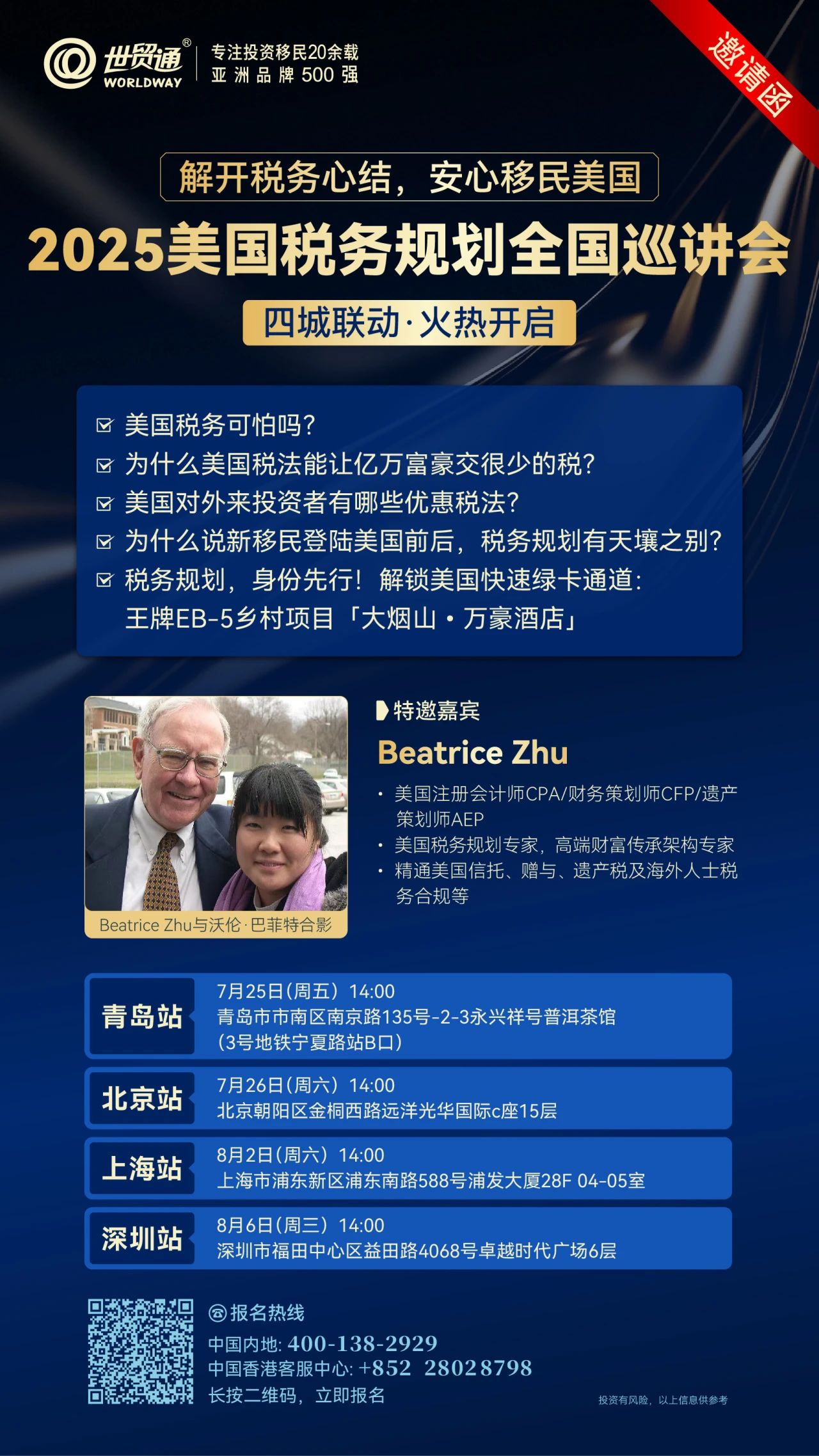
In the face of rapidly changing immigration policies, accurately assessing your own conditions and formulating a personalized plan is crucial. For detailed inquiries, please contact Mainland China: 400-138-2929, Hong Kong Customer Service Center: (852) 2802 8798