At noon Eastern Time on the 20th, Donald Trump was sworn in at the Capitol Rotunda as the 47th President of the United States. Following his inauguration, President Trump not only signed executive orders focused on economic recovery but also swiftly advanced a major executive order related to immigration, once again demonstrating the core philosophy of his "America First" policy. This adjustment to immigration policy not only continues his previous hardline stance but also strengthens implementation details, aiming to comprehensively tighten the influx of illegal immigrants while optimizing the processes and standards for legal immigration.
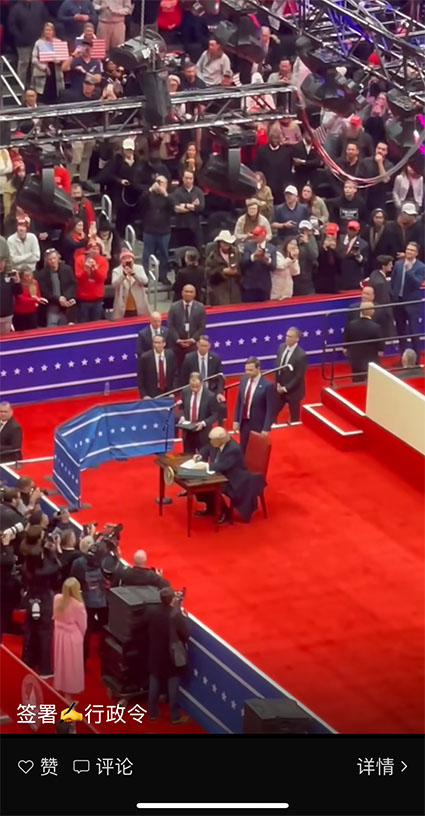
Core Content: Strengthening Border Security and Immigration Enforcement
The immigration executive order signed by President Trump focuses on strengthening border security and immigration enforcement, specifically including the following points:
1. Resuming and expanding the U.S.-Mexico border wall: The executive order explicitly requires the restart of the U.S.-Mexico border wall expansion project and allocates additional federal funds to complete previously unfinished sections. President Trump stated, "The border wall is key to protecting U.S. sovereignty and homeland security, and it is the first line of defense against drug smuggling and illegal immigration." Furthermore, he has ordered the installation of more advanced surveillance equipment, including drones, thermal imaging technology, and ground sensors, to comprehensively enhance border control capabilities.
2. Increasing immigration enforcement resources: The order authorizes the addition of 10,000 Immigration and Customs Enforcement (ICE) officers and expands the scale of immigration courts to accelerate the processing of the massive backlog of immigration cases. President Trump emphasized that this measure is intended to "swiftly remove illegal entrants and ensure the fairness of the law."
3. Reinstating the "Remain in Mexico" policy: The executive order restores the "Remain in Mexico" policy introduced during President Trump's first term, requiring Mexican immigrants to remain in Mexico while their U.S. immigration procedures are being processed. This policy aims to reduce the phenomenon of illegal immigrants using asylum procedures to enter the country by limiting the stay of asylum seekers within the United States.
Adjusting Legal Immigration Policy: Prioritizing Skilled Immigration
While tightening measures against illegal immigration, President Trump's executive order also proposes a direction for reforming legal immigration procedures:
1. Strengthening immigration screening standards: The new order requires more rigorous background checks for all immigration applicants, with a focus on potential threats related to national security. President Trump stated, "We must ensure that everyone who enters the United States can contribute to national security and economic development."
2. Introducing a "merit-based immigration" system: The order explicitly proposes a long-term goal of reforming immigration policy, planning to introduce a points-based immigration system that uses skills, education level, and economic contribution as primary criteria to attract more high-quality talent and investors.
3. Expanding high-skilled visa quotas: To support economic recovery, the order requires the optimization of high-skilled visa programs such as H-1B, including increasing quotas and prioritizing applicants in the fields of technology, engineering, and medicine.
The newly signed executive order has triggered starkly different reactions in American society. Supporters believe these measures will help restore legal order at the U.S. border, protect job opportunities for local workers, and encourage skilled immigrants to contribute to economic recovery; meanwhile, opponents criticize these hardline immigration policies for potentially exacerbating racial divisions and even provoking dissatisfaction from the international community.
This immigration executive order not only demonstrates President Trump's high regard for border security but also reflects his long-term planning for the reform of the immigration system. Over the next few years, the implementation of these policies will have a profound impact on the social, economic, and political environment of the United States.
As President Trump has stated, strong borders make for a strong nation. However, these hardline policies still require time and practical testing. It is foreseeable that immigration will remain one of the most controversial and high-profile issues during President Trump's second term.
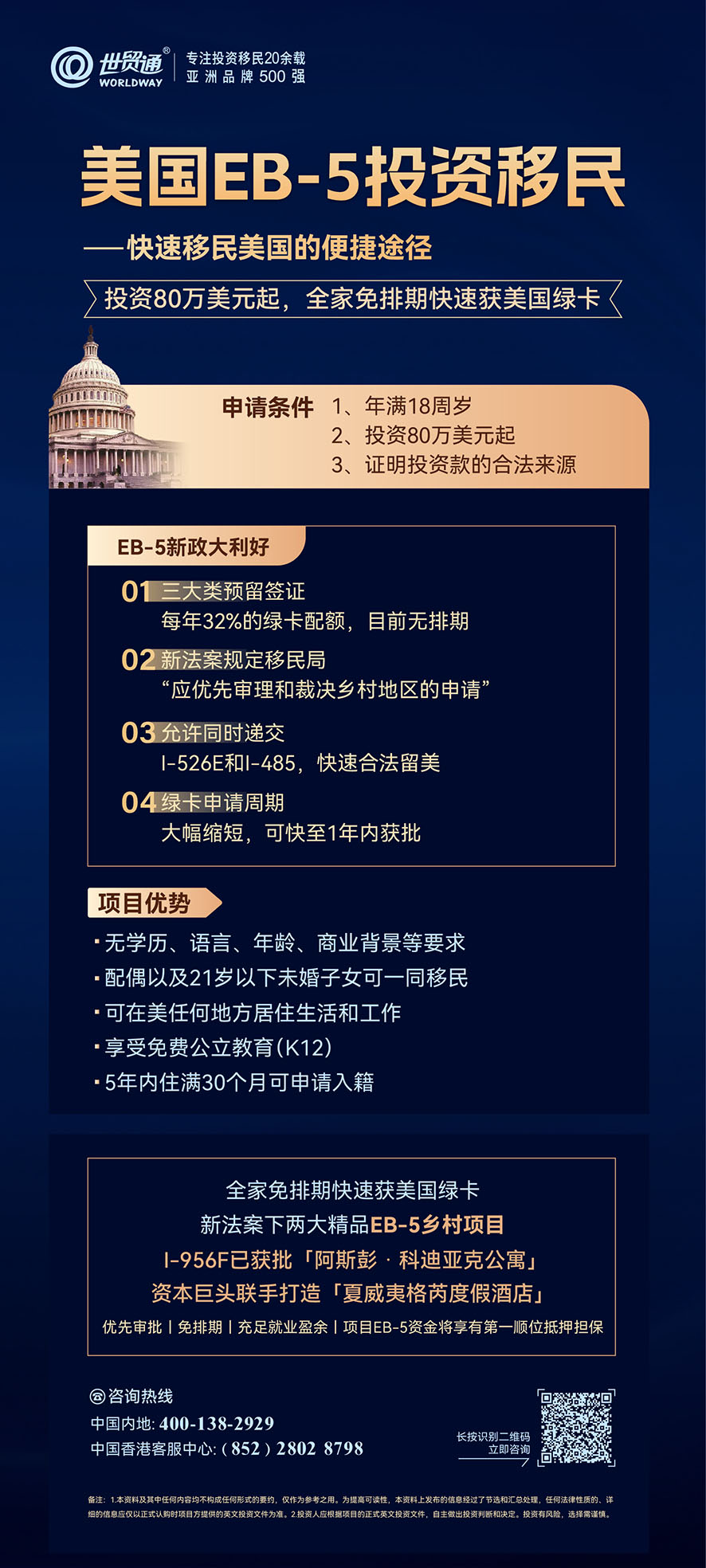
While President Trump has adopted stringent measures against illegal immigration, the United States continues to welcome legal immigrants, and EB-5 investment immigration may even benefit in the future. As a popular method of immigration, EB-5 investment immigration can both secure employment and promote economic growth. For families moving to the U.S., early status planning and choosing the right path are crucial. Currently, it is an excellent time to immigrate to the U.S. via the EB-5 program. Under the new policy, applicants born in mainland China have not yet faced visa retrogression; submitting an application as early as possible to lock in a priority date is the best way to realize the dream of immigrating to the United States.
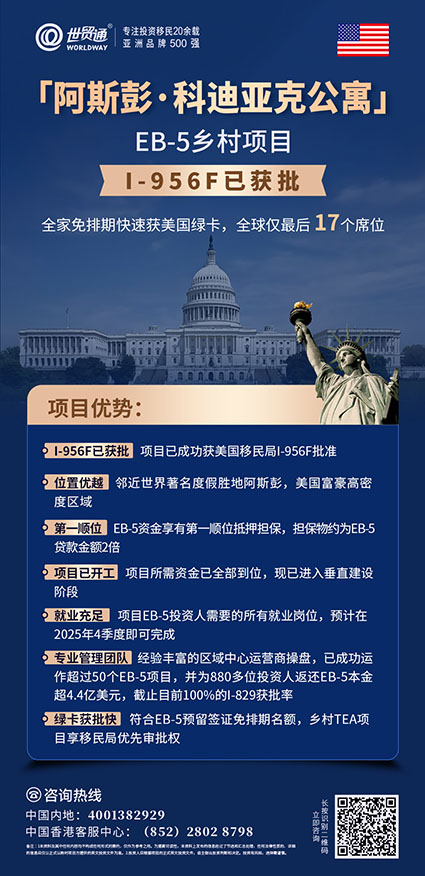
For inquiries in mainland China: 400-138-2929, Hong Kong customer service center: (852)2802 8798
* Investment involves risks; the above information is for reference only. *