Montenegro, as the name implies, is first understood as "black mountain," and indeed, the country is named Montenegro, which means the country of black mountains. Montenegro is also a mountainous country with a small population of approximately 650,000. Montenegro gained independence in 2006, and diplomatic relations between China and Montenegro were established.
Montenegro borders Serbia, Albania, and Bosnia and Herzegovina, with the Adriatic Sea on one side. Due to its many mountains, it is rich in mineral resources and has a well-developed tourism industry, making it a preferred destination for travelers from other European countries every summer.
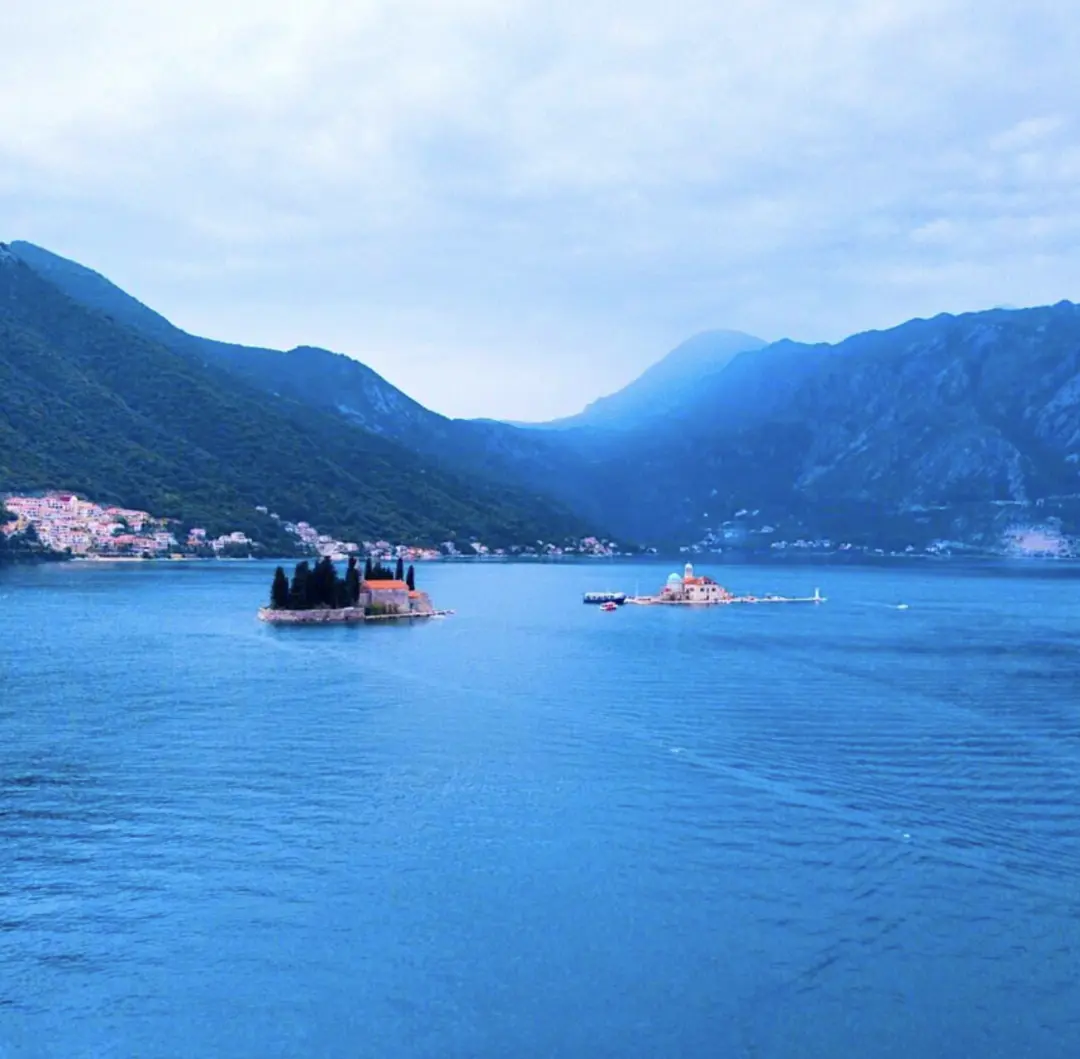
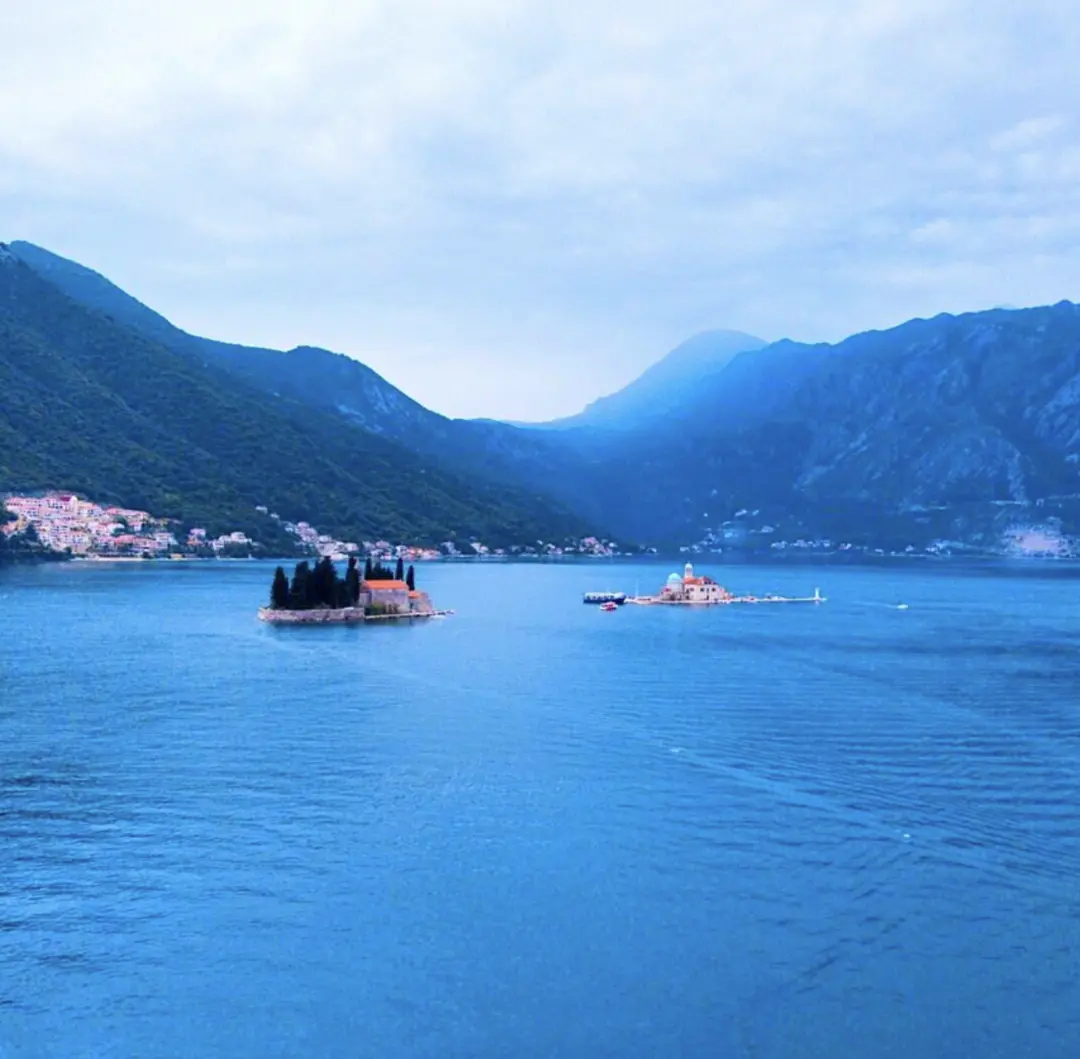
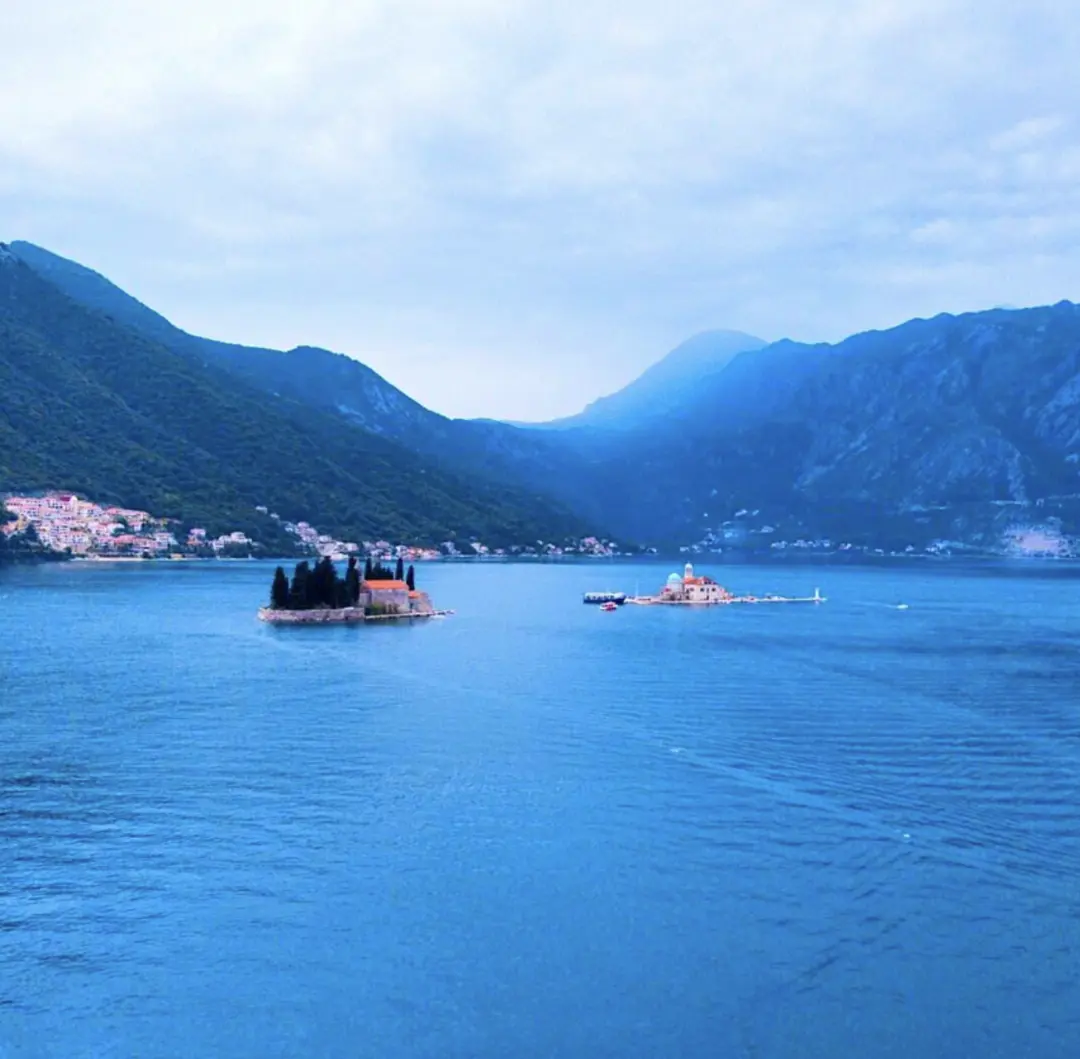
Montenegro's architectural style retains European characteristics, with numerous red-brick roofed building complexes along the coast, which appear romantic and vibrant against the backdrop of the blue sky and white clouds. The country boasts beautiful natural fjords; traveling through them, one sees green mountains rising on both sides. On the eastern coast of the fjord lies an ancient city listed as a World Heritage site called Kotor.
The coast has a typical Mediterranean climate, resulting in rich vegetation. Two national parks are must-visit attractions for tourists: Durmitor and Lake Skadar National Parks. The interior has a temperate continental climate with an average temperature of around 14-15 degrees Celsius, while some high mountains have a cold climate with relatively abundant glacial resources.
Montenegro's water transport is well-developed. Adjacent to the Adriatic Sea, the Port of Bar is the most famous port city and serves as the gateway for Montenegro's exchanges with other European countries.
1. Bay of Kotor: The Bay of Kotor is the largest fjord in the country and the largest in Southern Europe. With its clear, turquoise waters, it is an ideal location for seaside bathing. During the warm summer months of July and August, a large number of yachts appear here. Therefore, it is also a must-visit luxury leisure and vacation destination for many wealthy individuals.
2. Podgorica: This is the capital of Montenegro. The capital was destroyed by the ravages of World War II and was rebuilt on the original site after the war. There is an Orthodox church in the city built during the Serbian rule; the interior is magnificently decorated, making it one of the largest Orthodox churches built on this peninsula. One kilometer away from the church is Podgorica's most famous bridge, the Millennium Bridge.
3. Tara River Canyon & Đurđevića Tara Bridge: Located in northern Montenegro, the Tara River Canyon is the deepest canyon discovered in Europe and is an absolute favorite for adventurers. The Tara River Canyon Bridge is a steel highway bridge, over 300 meters long. It was first built in 1940, destroyed during World War II, and rebuilt in 1946, remaining to this day. It was listed as a World Heritage site in the 1980s.
4. Lovćen: Mount Lovćen is the peak of Montenegro, from which the country gets its name. Upon arriving at Lovćen National Park and climbing to the highest peak, one can overlook the capital, Podgorica. It is a famous local destination for hiking and sightseeing. The mausoleum of the Montenegrin national hero and philosopher Petar Petrović Njegoš is located on this peak.
Walking through the medieval ancient cities of Montenegro, you can easily buy a favorite gift; walk into a church with a mix of Romanesque and Gothic styles to greet the priest—a greeting from a foreigner. In the medieval ancient city, the streets are narrow and winding, and the ancient houses on both sides block the sky. Looking up, you see a narrow patch of sky. Once you step out of the ancient city, you are met with a suddenly open view, as if traveling through time, moving from the Middle Ages to the modern era. Historical time is preserved in the form of the ancient city, and one can discover traces of the past in the mottled marks of the ancient city. It is also like a call from time; welcome to the ancient city of Montenegro, a city with a long history, to discover the intersection of the past and the present.
Montenegro, a small but exquisite country, is a nation with traces of European history and a long-standing heritage. If you have the chance, go and visit, and discover a different Montenegro. (This article is reprinted from the internet; if there is any infringement, please contact us to delete it.)