





Canada, a long-established immigration country, has a rich immigration history. Its multicultural society, enshrined in the constitution, rarely experiences racial discrimination. With a highly developed economy, world-class education, generous social welfare systems, and friendly community relations, Canada is one of the best places in the world, attracting countless individuals who are deeply enamored and continuously arriving.
Canada is particularly open and inclusive towards immigrants, with a variety of well-established immigration policies designed to facilitate different types of immigration applicants.
Of course, the processing times for various types of immigration pathways also differ, which is an essential factor for immigration applicants to consider. Recently, the Immigration, Refugees and Citizenship Canada (IRCC) updated the average processing times for various Canadian immigration visas for applicants' reference.


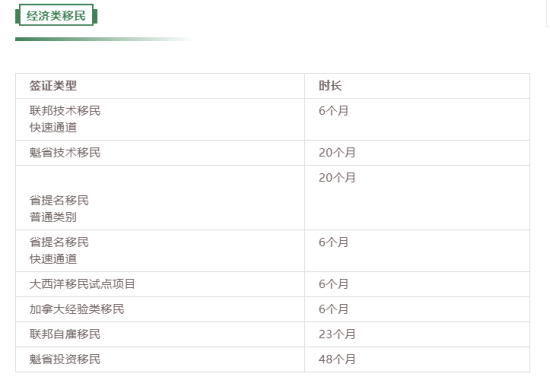
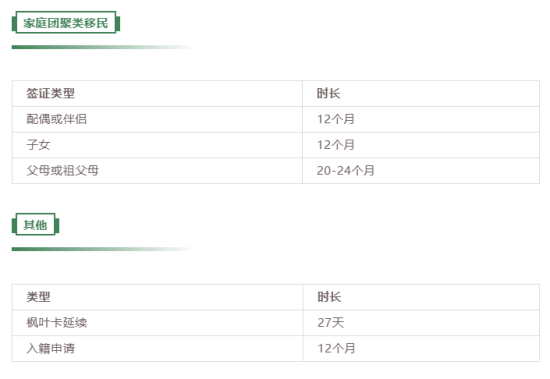
What factors influence visa processing times?
Place of residence: The IRCC processing times vary based on individual residency status.
Type of visa applied for: The processing times differ for various types of visas and permits. The type of application, the number of candidates currently being processed in that category, and other factors can affect the time required for processing. If the number of applicants for a program exceeds expectations, the preparation time will be longer.
Completeness of documentation: If the application materials submitted are incomplete, the IRCC may refuse the applicant or request additional supporting information, which will lead to extended processing times.