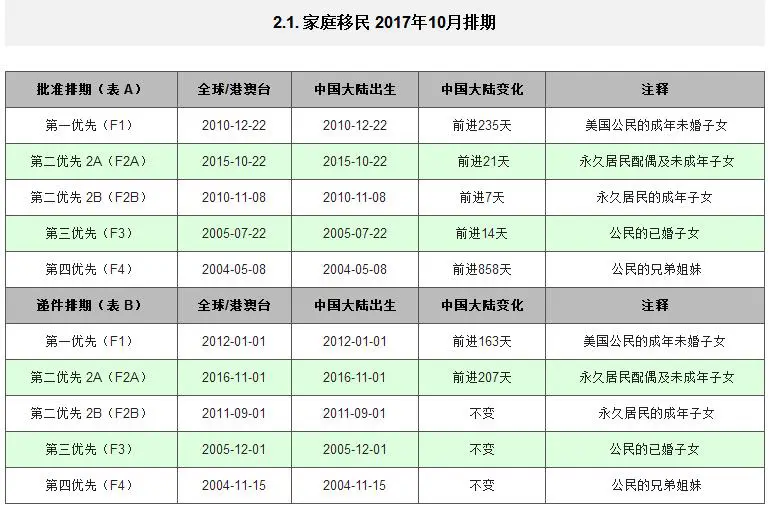
The U.S. Department of State (DOS) has implemented significant reforms in the Immigration Visa Bulletin, setting a 'filing date' for the 2016 fiscal year starting in October. This allows the U.S. Citizenship and Immigration Services (USCIS) to accept certain family-sponsored and employment-based green card applications (I-485) in advance, permitting pre-approval and issuance of green cards when the immigration priority dates become valid. This is the origin of Table A and Table B in the immigration visa bulletin.
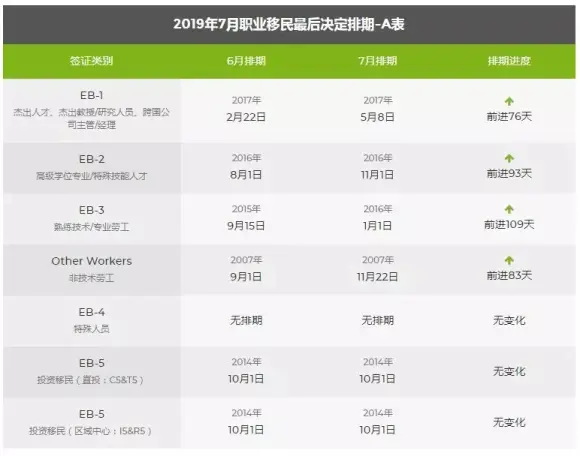
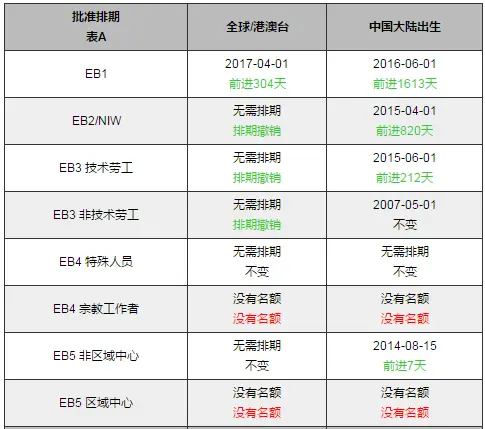
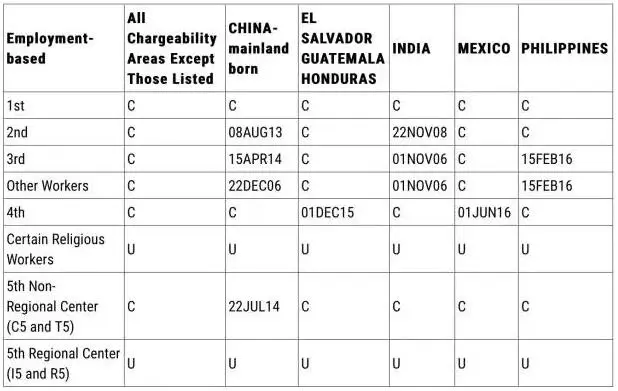
Starting in October, there will be two tables in the immigration visa bulletin, dividing the original 'priority dates' on the visa bulletin into two. Table A represents the 'final action dates for immigrant visas (immigrant priority dates)' (Application Final Action Dates), while Table B denotes the 'earliest dates for filing applications (filing dates)' (Dates for Filing Applications). The decision to use the Department of State's filing dates is at the discretion of the immigration agency based on the usage progress of annual quotas. This new regulation is part of the guiding principles of the immigration reform executive order issued by President Obama last year and carries significant implications for legal immigrants. Previously, applications for I-485 could only be submitted after priority dates had arrived; now, applicants with an approved I-140 can submit adjustment of status applications based on the filing dates table, allowing them to change jobs in advance, enabling family members to commence employment earlier, and allowing the entire family to obtain Advance Parole sooner. However, these early submissions will not be approved until the priority date has arrived, at which time the applicant can receive their green card.
For example, based on the October priority dates released on the 9th, the professional immigration category EB-3 for individuals born in Mainland China, which had regressed by eight years in the previous two months, has now advanced significantly to October 15, 2011; applicants in this category whose priority date is October 1, 2013, may submit their I-485 applications as soon as October if allowed by USCIS, which is two years earlier than the immigration priority date. Similarly, for the employment-based second preference, the priority date for October is January 1, 2012, but applicants with a priority date of May 1, 2014, should be able to submit their I-485 applications next month.
For EB-5 investors born in China who have seen waiting times for several months, once the I-526 petition is approved, they may also submit their I-485 for adjustment of status early; using the October priority dates as an example, the immigration priority date is October 8, 2013, but applicants with a priority date of May 1, 2015, can submit their I-485 as long as USCIS initiates the filing date. Family-sponsored immigrants are also among the beneficiaries of the new filing date policy, for example, the F2A category, which includes spouses of permanent residents and unmarried children under 21, has an immigration priority date of May 15, 2014, while their filing date is March 1, 2015.
The establishment of filing dates also facilitates applicants abroad. U.S. embassies and consulates can interview family-sponsored or employment-based applicants based on the filing dates, potentially expediting the review process and significantly reducing waiting times. The American Immigration Lawyers Association (AILA) previously projected that 410,000 immigrants would benefit from this.
In July, the White House released a report titled "Modernizing and Streamlining Our Legal Immigration System for the 21st Century,” proposing reforms to the approval processes for family-sponsored and employment-based immigration, which will soon be implemented. The immigration lawyers' association praised this move as an effective reform of the legal immigration system, particularly at a time when the federal government's executive order largely targeting undocumented immigrants has stalled.