According to official data, the number of overseas Chinese exceeded 45 million in 2010. Such a vast overseas population is scattered across the globe, all having left the country through migration. What is migration? The Cihai dictionary defines it as: people who move to a certain region abroad to settle permanently. Migration from China is mainly reflected in two forms: obtaining permanent residency abroad without changing one's domicile, or acquiring foreign citizenship and settling abroad.
Since the beginning of the Reform and Opening-up policy, China has actually experienced three major waves of migration. The first wave occurred in the early stages of the Reform and Opening-up, when a large number of students and individuals with overseas connections went abroad and eventually settled overseas. The second wave occurred from the 1980s to the end of the 20th century, during which many developed countries began to accept skilled immigrants from China. The majority of these immigrants were highly educated, typically individuals with engineering degrees. The third wave is the one we are currently experiencing since 2000. The primary method for this group is investment immigration; they are mostly high-income individuals who, carrying significant wealth, travel across the world to achieve global asset allocation.
Investment immigration is China's third wave of migration
Why is investment immigration considered China's third wave of migration? We can see this through an analysis of the migrant groups. As the world becomes smaller and flatter, online space has begun to replace physical space; people can go anywhere and still complete their work via the internet. This is also why more and more talent is leaving through investment immigration. After immigrating, it is becoming increasingly common for people to frequently travel back and forth between China and overseas for work. According to statistics from the Chinese Embassy in the United States, tens of thousands of people travel between China and the U.S. every day. With the convenience of international transportation, the flow of people will become more and more frequent. Many people also continue to work in China or engage in work related to China while immigrating. The reason for this phenomenon is mainly that most investment immigrants are business professionals with certain assets; they have relatively stable careers and families in China, and coupled with the fact that the domestic economy maintains strong development, many believe they can continue to earn returns in China.
The diversification of destination countries for investment immigration is the future trend of China's investment immigration development.
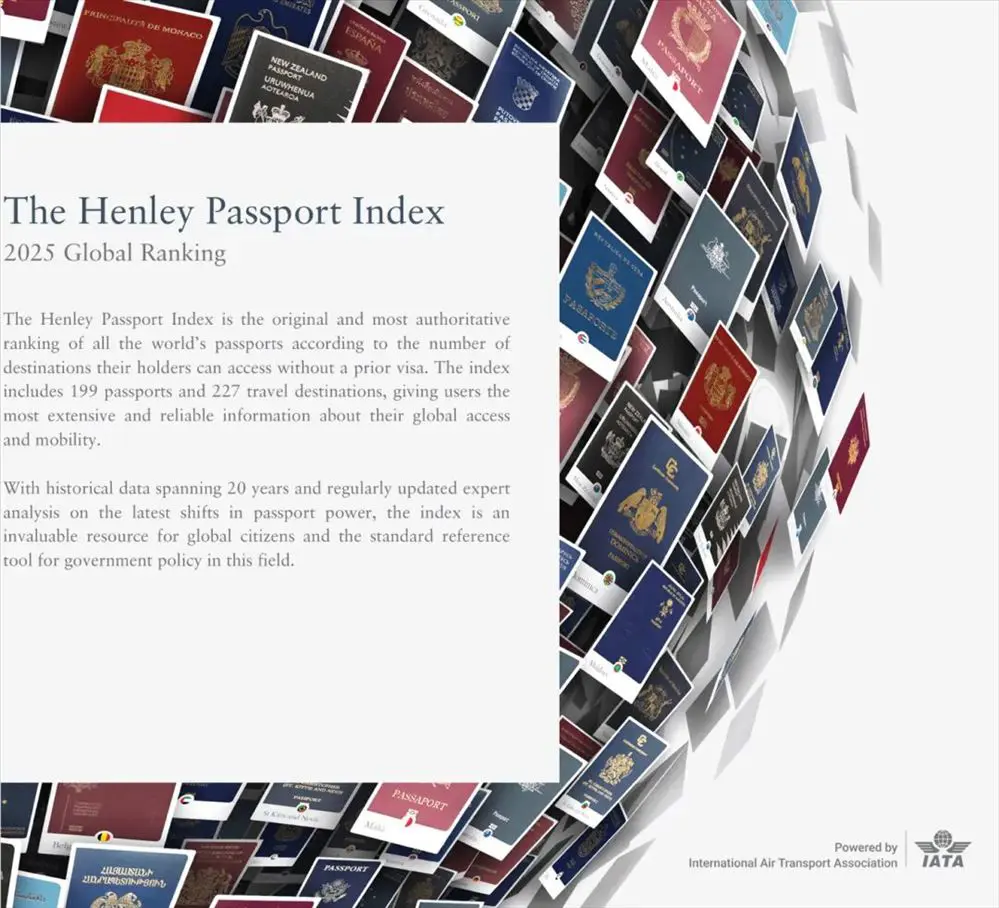
Currently, China's overseas investment immigration is mainly concentrated in regions such as the United States, Canada, and Australia, with a relatively concentrated regional distribution. The massive business opportunities brought by the large and wealthy Chinese international migrant population have attracted the attention of other immigrant countries and regions in the world with superior social and investment environments, and they have successively extended olive branches to potential Chinese investment immigrant groups. In the long run, the deepening development of globalization is an unstoppable trend, which means that the flow of international capital and population will become more free and frequent, and policies will become more open.
Ultimately, this will lead to an expansion in the range of destination countries for China's overseas investment immigration, and investment immigration will have greater selectivity. Traditional immigrant countries will continue to be the main destination countries for Chinese investment immigration, but more and more people will turn their attention to other countries with superior conditions and environments for overseas investment immigration.