At the beginning of the New Year in 2015, a significant piece of news shocked the Chinese financial community. On the afternoon of January 9, Chinese tycoon Li Ka-shing announced a major announcement: the restructuring of Cheung Kong Holdings, which has been listed for 43 years, and Hutchison Whampoa, with Cheung Kong being renamed "CK Hutchison", taking over the non-real estate businesses of both Cheung Kong and CK Hutchison, while the real estate businesses of Cheung Kong and Hutchison Whampoa will be managed by a new company called "CK Asset". In other words, this is objectively a disguised move to relocate overseas.

Li Ka-shing has been the richest Chinese for many years and is an outstanding world-class business leader, as well as China's most distinguished investment and acquisition master. His grasp of trends is unparalleled, and he is also a master of maneuvering in both political and business circles. Such a significant action cannot help but provoke deep thought. This is likely sending a signal that Li Ka-shing is withdrawing, not only from the mainland but also from Hong Kong. He must have sensed some changes, whether political or economic, that prompted him to make such a significant decision in his old age.
Li Ka-shing's understanding of trends is unmatched in the Chinese world. Here are two recent and simple examples:
1. In the first half of 2013 and 2014, Li Ka-shing withdrew from the Chinese real estate market, at a time when everyone, including those in the real estate industry, criticized him. Now, looking back, everyone must admire Li Ka-shing's shrewdness and insight, as after that, China's real estate market entered a period of adjustment, and he exited the mainland market at the peak of the real estate bubble.
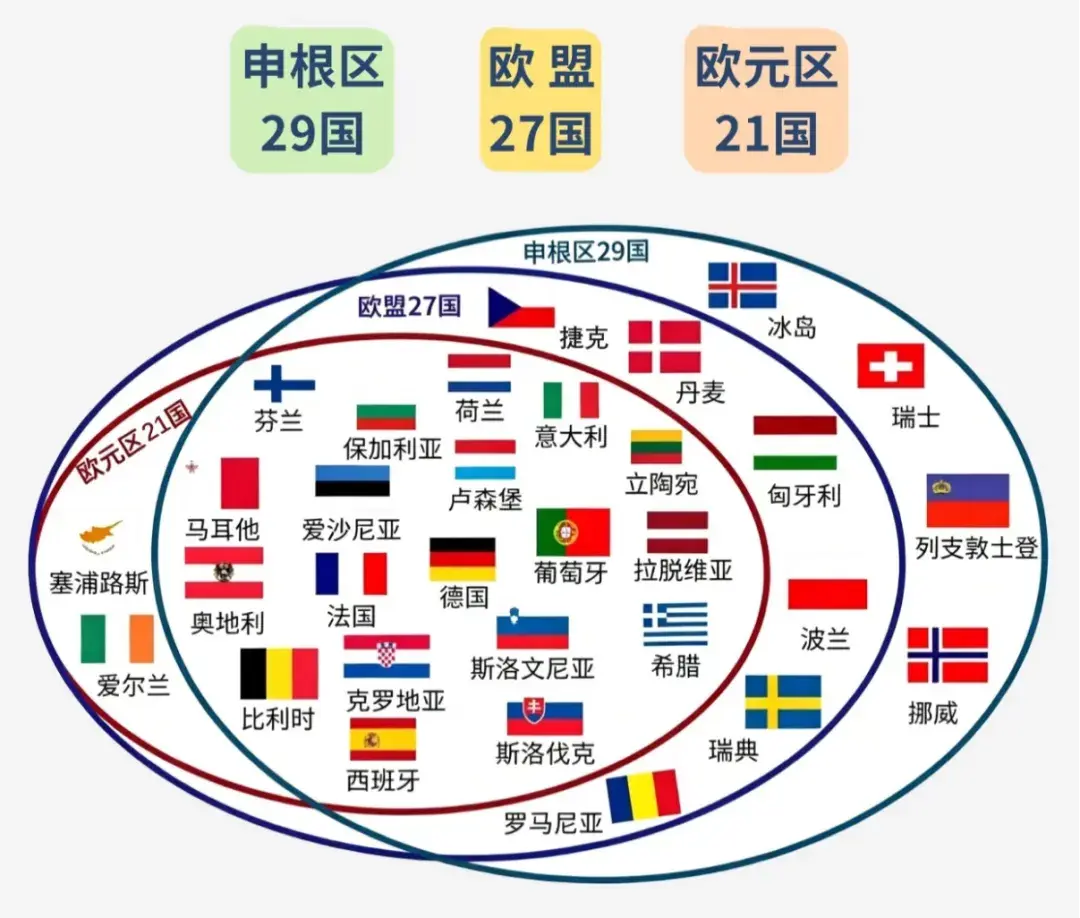
2. Li Ka-shing privatized his listed companies and strategically entered Europe, acquiring assets in many public utility sectors in Europe, effectively bottom-fishing European assets.
In recent years, not only has Chinese tycoon Li Ka-shing shown a strong interest in Europe, but other Chinese enterprises and investors have also demonstrated significant interest. Taking Portugal as an example, Portugal has attracted approximately 10 billion euros in investments from China. This includes the acquisition of 21.35% of Portugal's electricity by China Three Gorges Corporation in December 2011; in February 2012, State Grid Corporation of China invested approximately 387 million euros to acquire 25% of the shares of Portugal's national energy grid company; in January 2014, Fosun International acquired Portugal's largest insurance company, Fidelidade, and subsequently acquired 3.97% of the shares of Portugal's national energy grid company and Luz Saúde (formerly the Portuguese healthcare group ES Saúde), as well as recently in December 2014, Haitong Securities acquired Espírito Santo Investment Bank for 400 million euros.

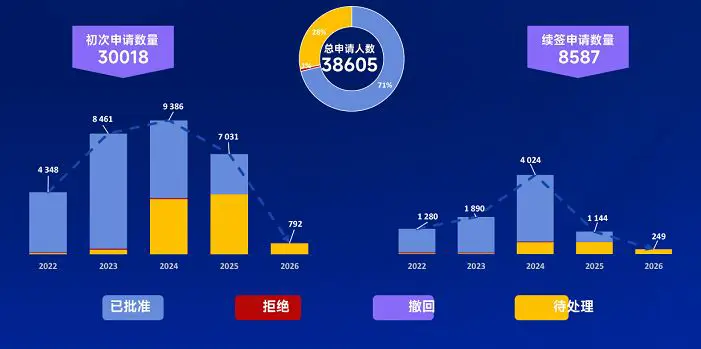
In addition to investing in large Portuguese enterprises, the "Golden Residence Permit Program" introduced by the Portuguese government in 2012 has successfully attracted 1,629 Chinese investors to immigrate through property purchases, accounting for 80% of the total approved number, with total investments reaching 1.227 billion euros.
It is believed that this relocation action by Chinese tycoon Li Ka-shing will serve as a barometer for Chinese enterprises and individual investments, and the subsequent impact is still unfolding. It is foreseeable that in 2015, more Chinese enterprises will choose Europe as a breakthrough point for "going global". More Chinese investors will also choose European property immigration projects, creating favorable conditions for their investments in Europe.

Appendix: 2015 Global Livable Cities Immigration Property Investment Promotion Conference - Europe Special Session
Time: January 17 (Saturday) at 14:30
Location: 76 Hong Kong Middle Road, Qingdao, Crowne Plaza Hotel, Reservation Hotline: 400-138-2929