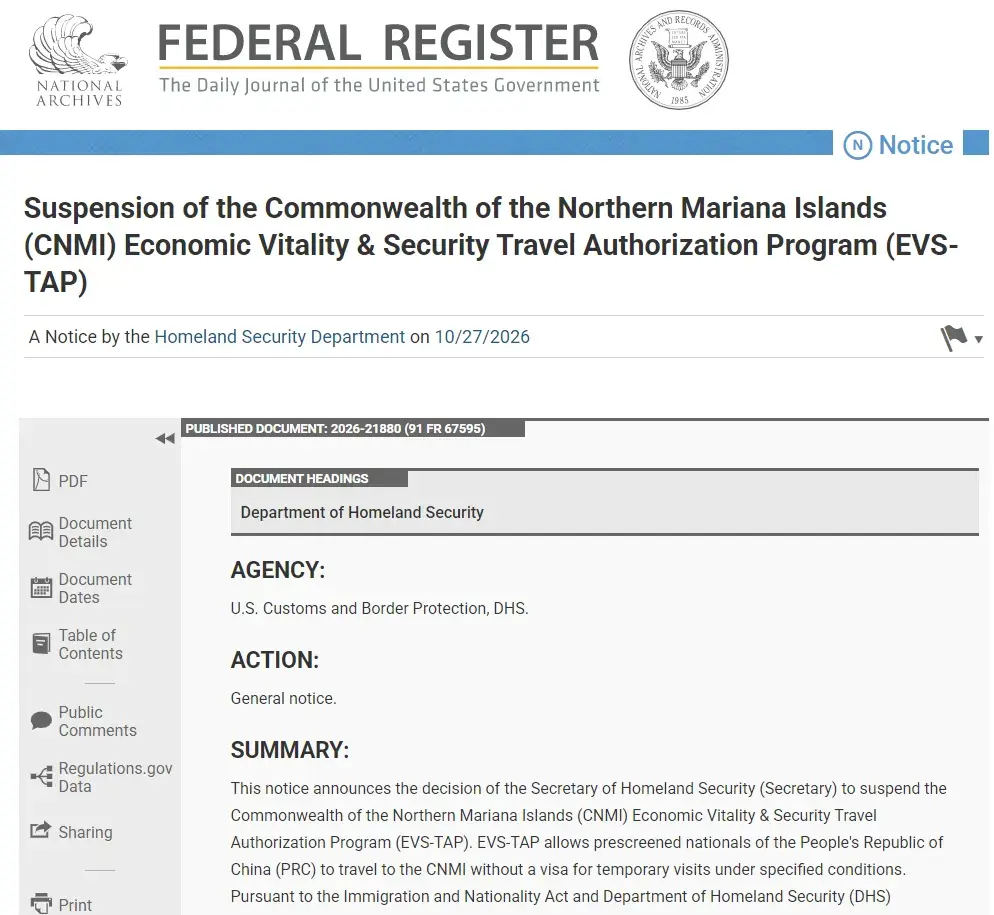
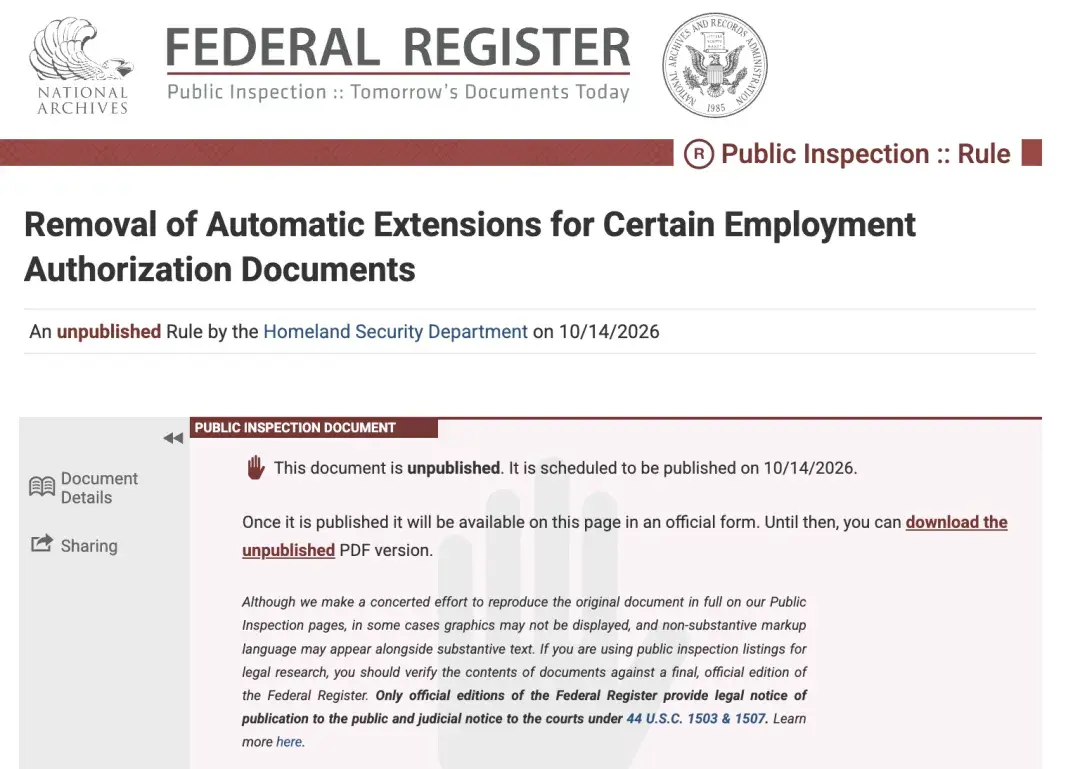
The United States has always been one of the most favored immigration destinations for Chinese investors. The number of applicants for U.S. investment immigration has been rising year after year, with a record high in 2012. Notably, the total number of immigrants through the EB-5 category reached 7,631, with approximately 80% of applicants coming from China. The new immigration reform bill passed by the U.S. Senate on June 27, 2013, includes provisions for the permanent establishment of the EB-5 regional center program, an increase in the number of investor visas, and changes to the minimum investment amount. The bill is currently awaiting further review and discussion in the House of Representatives. If it passes in the House and is signed by the President, it will officially become a fixed policy and be implemented. For EB-5 investment immigration applicants, this news brings mixed feelings.
The immigration reform bill includes the following provisions related to EB-5 investment immigration:
Permanent establishment of regional centers
U.S. Immigration has established the EB-5 investment immigration program through regional centers to promote employment in underdeveloped areas. Due to the stronger employment incentives in these areas and lower wage costs compared to other regions, this is more favorable for investors in meeting the requirement of creating 10 jobs and successfully applying for a permanent green card. Therefore, the permanent establishment of regional centers in this reform bill is undoubtedly good news for investors.
Annual quota adjusted from 10,000 individuals to 10,000 families
According to the U.S. Immigration and Nationality Act, once the EB-5 visa reaches or exceeds the annual quota of 10,000 visas, each country will only receive an average of 7.1% of the total EB-5 visa quota. This means that only 710 EB-5 visas are allocated to China each year. However, this quota adjustment has relaxed the increasingly tight application situation. According to current policies, the quota issue will not temporarily affect Chinese investors.
Target Employment Area (TEA) validity extended from 1 year to 5 years
The so-called "Target Employment Area" is defined in U.S. immigration law as one of the following two situations: 1. Rural areas, which are areas outside of metropolitan statistical areas or towns with populations over 20,000; 2. High unemployment areas, which are areas with unemployment rates at least 150% higher than the national average.
Currently, the certification for high unemployment areas is conducted once a year in April, and the certification is valid for one year. If the new bill extends the validity period to 5 years, it will benefit the stability and continuous development of the target employment area projects chosen by investors, thereby increasing the success rate of green card applications.
Minimum investment amount increase of at least 50%
EB-5 immigration investment capital will be moderately increased, with new investment amounts recalculated every five years based on the inflation index. This adjustment further confirms the industry's judgment on the increase of investment amounts for U.S. investment immigration. With the continuous increase in the number of applicants and the rising immigration thresholds in other countries, there has long been a call within the U.S. Congress for a "price increase," making this adjustment expected.
In summary, applicants from China account for a significant portion of the total EB-5 applications. If the permanent establishment of the regional center program and the removal of country quota restrictions are passed, the biggest beneficiaries will also be the EB-5 applicants from China. However, the 50% increase in the minimum investment amount will significantly raise the cost for investors immigrating to the United States. Therefore, for Chinese investors, the passage of the latest U.S. immigration reform bill will be a mixed blessing. Against the backdrop of rising investment immigration thresholds in popular immigration countries such as Canada, Singapore, and Australia last year, the "price increase" for U.S. investment immigration is only a matter of time. Investors should prepare early and submit their applications as soon as possible.
Investment involves risks, the above information is for reference only
Custom Plan
One-on-one service from senior consultants
Your information is strictly protected